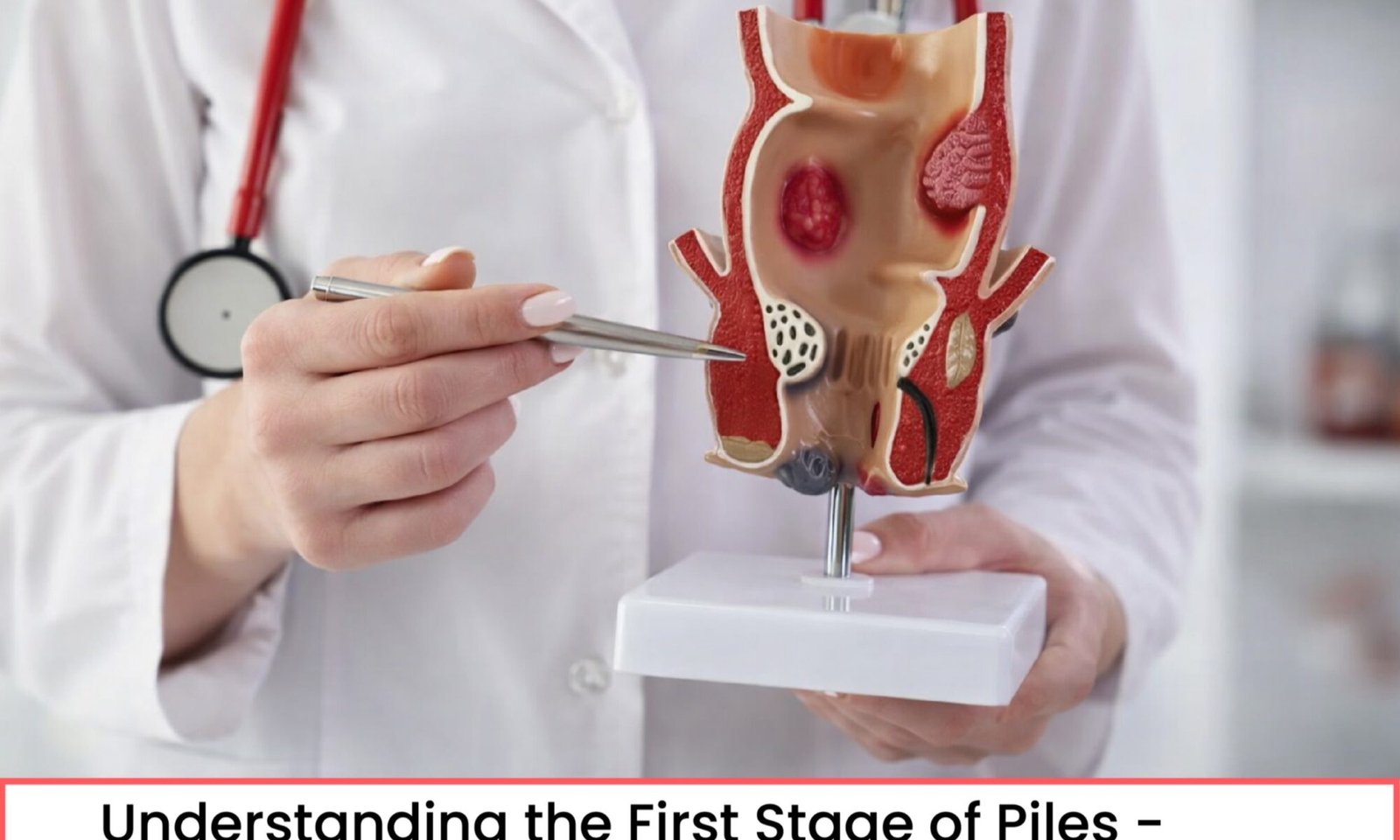
Understanding the First Stage of Piles – Symptoms, Causes, and Treatment Options is essential for identifying the condition early and preventing it from becoming severe. Piles, commonly referred to as hemorrhoids, occur when veins in the lower rectum or anal region become swollen and inflamed. Although piles are a widespread health concern, many individuals delay seeking medical care during the early stage due to hesitation, discomfort, or lack of awareness.
In the first stage of piles, symptoms are usually mild and respond well to conservative treatment. However, neglecting these early warning signs may result in worsening symptoms that require advanced medical intervention. At LaserQure, emphasis is placed on early diagnosis, patient awareness, and timely care to help patients recover comfortably and avoid complications.
What Are Piles, and How Do They Form?
Piles form when constant pressure is applied to the blood vessels in the anal and rectal areas. Over time, this pressure causes the veins to enlarge, leading to swelling and irritation. Based on where they occur, piles are classified into two main types:
- Internal piles – Located inside the rectum and usually painless in the initial stage
- External piles – Develop around the anus and may cause itching or irritation
Knowing this classification helps in clearly understanding Understanding the First Stage of Piles – Symptoms, Causes, and Treatment Options.
Understanding the First Stage of Piles – Early Warning Signs
The initial stage of piles is often subtle, making it easy to ignore. Recognizing early symptoms allows for simple and effective treatment before the condition progresses.
Common Symptoms in the First Stage of Piles
- Mild discomfort in the anal area, especially during bowel movements
- Persistent itching or irritation around the anus
- Small amounts of bright red blood noticed on tissue paper or in the toilet
- A sensation of fullness or mild swelling in the rectum
- Occasional difficulty passing stools
At this stage, piles do not protrude outside the anus and remain internal.
Causes of First Stage Piles
Identifying the causes is important for both treatment and prevention. The most frequent reasons include:
Primary Causes
- Excessive straining due to constipation
- Insufficient fiber intake resulting in hard stools
- Sitting for long periods, particularly on the toilet
- Lack of regular physical movement
Additional Contributing Factors
- Increased pelvic pressure during pregnancy
- Excess body weight placing strain on rectal veins
- Natural weakening of tissues with age
These causes play a direct role in Understanding the First Stage of Piles – Symptoms, Causes, and Treatment Options.
Risk Factors Increasing the Probability of Piles
Some habits and conditions can raise the risk of developing piles:
- Recurrent constipation or diarrhea
- Frequent heavy lifting
- Genetic predisposition
- Inadequate water intake
- Irregular bowel routines
Addressing these risk factors early can prevent piles from advancing.
Diagnosis of the First Stage of Piles
Early-stage piles are usually easy to diagnose and do not require complex tests. A doctor may suggest:
Diagnostic Approaches
- Visual inspection of the anal region
- Digital rectal examination to detect internal swelling
- Anoscopy for a more detailed internal assessment, if necessary
Early confirmation supports accurate management of Understanding the First Stage of Piles – Symptoms, Causes, and Treatment Options while ruling out other issues such as fissures or infections.
Treatment Options for the First Stage of Piles
In most cases, first-stage piles can be treated successfully without surgical procedures. The goal is to ease symptoms and stop progression.
Lifestyle and Dietary Adjustments
- Include more fiber-rich foods like fruits, vegetables, and whole grains
- Drink adequate water throughout the day
- Engage in regular physical activity
- Avoid sitting for prolonged periods
Medications and Home Care
- Application of soothing topical creams for itching
- Warm sitz baths to relieve irritation
- Stool softeners if recommended by a doctor
- Avoiding excessive straining during bowel movements
These steps form the foundation of Understanding the First Stage of Piles – Symptoms, Causes, and Treatment Options.
When Should You Consult a Doctor?
Medical attention should be sought if:
- Bleeding continues or increases
- Pain becomes more intense
- Symptoms persist despite lifestyle changes
- There is uncertainty about the condition
Early consultation ensures faster relief and prevents complications.
How to Prevent Piles from Worsening
Preventive care plays a crucial role in managing piles effectively:
- Maintain a fiber-rich diet
- Stay physically active
- Keep body weight within a healthy range
- Follow proper anal hygiene
- Do not delay bowel movements
These practices help stop piles from progressing beyond the first stage.
Why Early Treatment Is Important
Ignoring mild symptoms can lead to advanced piles, which may cause prolapse, severe pain, and heavy bleeding. Understanding the First Stage of Piles – Symptoms, Causes, and Treatment Options allows individuals to take timely action, reduce discomfort, and avoid invasive procedures.
Frequently Asked Questions (FAQs)
1. What defines the first stage of piles?
It involves mild internal swelling with symptoms like itching or slight bleeding, without piles protruding outside the anus.
2. Is pain common in first stage piles?
Pain is usually minimal, though some people experience mild discomfort during bowel movements.
3. Can first stage piles resolve naturally?
Yes, early piles often improve with dietary changes, hydration, and better bowel habits.
4. How long does recovery take in the first stage?
Symptoms usually improve within a few days to a few weeks with proper care.
5. Is bleeding normal at this stage?
Light, bright red bleeding during bowel movements is a common early sign.
6. What happens if early piles are ignored?
They may progress to advanced stages requiring medical or surgical treatment.
7. Which foods are beneficial for early piles?
Fiber-rich foods such as fruits, vegetables, whole grains, and legumes are helpful.
8. Are home remedies effective in early piles?
Yes, lifestyle changes and home care work well in the first stage.
9. Is surgery required for first stage piles?
No, surgery is rarely needed when piles are treated early.
10. When should I see a specialist?
If symptoms persist, worsen, or cause concern, consulting a specialist is advisable.
Conclusion
Understanding the First Stage of Piles – Symptoms, Causes, and Treatment Options is key to preventing the condition from becoming painful and complicated. Early-stage piles may appear minor, but prompt attention can help avoid discomfort and advanced treatments. By improving dietary habits, maintaining an active lifestyle, and seeking timely medical advice, first-stage piles can be managed safely and effectively.
At LaserQure, patients benefit from precise diagnosis, early-stage management, and advanced care tailored to individual needs. If you notice early symptoms of piles, consulting specialists at LaserQure can ensure quick relief, smoother recovery, and long-term comfort.