This simply works as a guide and helps you to connect with the doctor of your choice. Please confirm the doctor’s availability before leaving your premises.
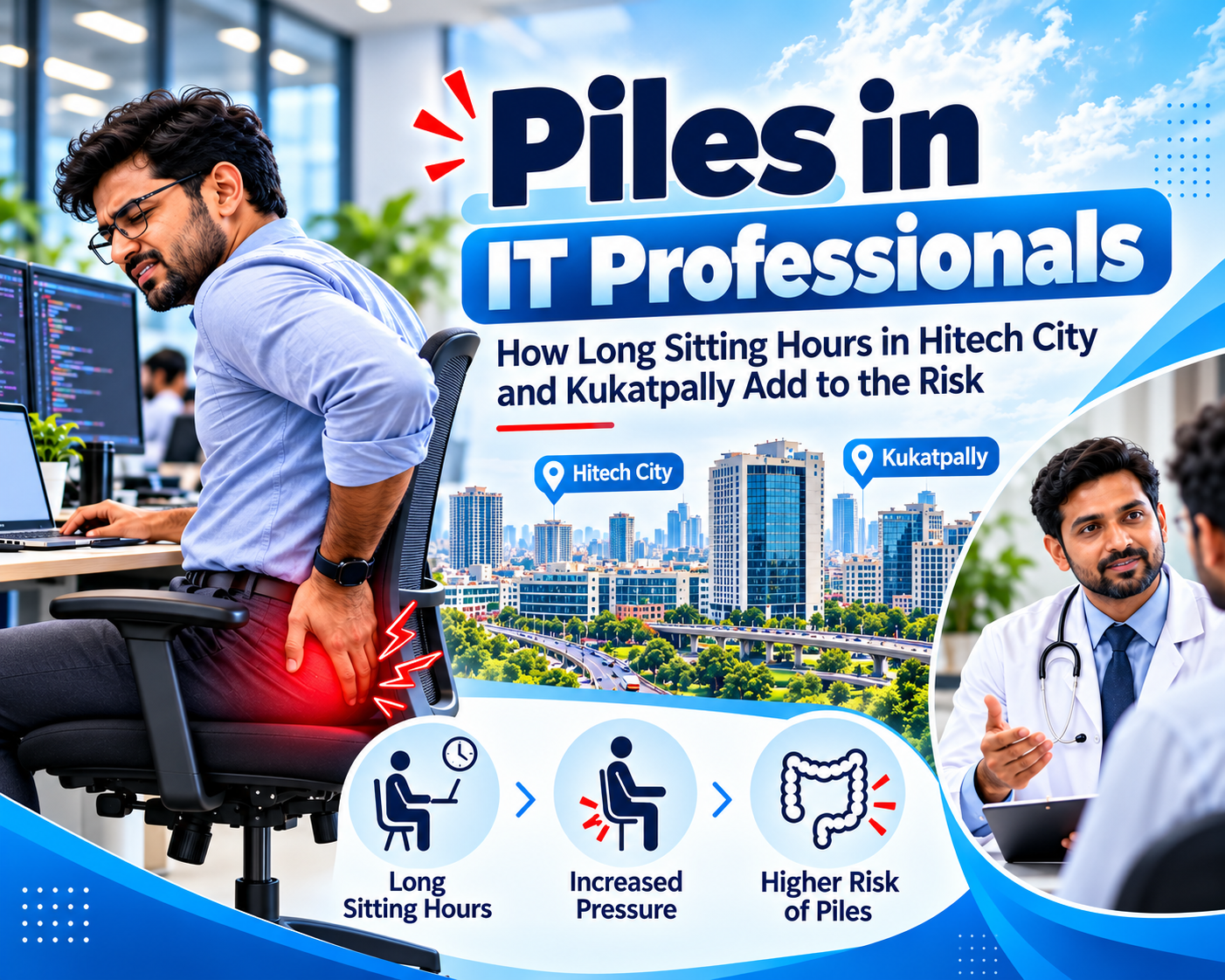
Piles in IT Professionals: How Long Sitting Hours in Hitech City and Kukatpally Add to the Risk
Working in the IT industry often means sitting for long hours. Software developers, designers, and corporate employees spend much of their day working at computers.
For many professionals in Hitech City, Kukatpally, and Madhapur, busy schedules make regular movement difficult. Long commutes, delayed meals, and limited physical activity can also affect daily routines.
These habits may contribute to digestive problems, especially constipation. Constipation and straining during bowel movements are well-known risk factors for piles.
Piles in IT professionals can affect daily comfort, particularly when symptoms include pain, itching, or swelling.
However, sitting for long hours does not directly cause piles in every person. Instead, lifestyle habits and bowel health play important roles.
Understanding the symptoms, risk factors, and prevention methods can help IT employees take better care of their health.
Healthy bowel habits may help reduce constipation and related discomfort.
When Should IT Professionals Consult a Doctor for Piles?
Many people delay medical consultation because they feel embarrassed or expect symptoms to disappear.
However, early evaluation can help identify the problem and guide appropriate treatment.
Consult a doctor if you experience:
Bleeding during bowel movements.
Persistent itching or swelling.
Pain that affects sitting or daily activities.
A lump near the anal opening.
Symptoms that continue after one week of home care.
Repeated episodes of anal discomfort.
Seek urgent medical attention if you experience severe anal pain with bleeding, heavy bleeding, dizziness, or bleeding accompanied by fever or abdominal pain.
Laser treatment may be an option for selected patients with hemorrhoids.
The procedure uses specialized laser energy to treat hemorrhoidal tissue.
However, laser treatment is not suitable for every patient. It also does not guarantee painless treatment or permanent results.
A specialist should explain the expected benefits, possible complications, recovery period, and available alternatives before treatment.
Clinical guidance supports dietary and behavioral changes as the first step for many patients. Procedures are considered according to symptoms and disease severity.
Healthy Daily Routine for IT Professionals
Maintaining healthy habits can be challenging during busy workdays.
However, small changes may improve bowel health over time.
Time
Recommended Habit
Morning
Eat a fiber-rich breakfast and follow a comfortable bowel routine.
During Work
Take regular standing and walking breaks.
Lunch
Include vegetables, whole grains, and other fiber-rich foods.
Afternoon
Drink adequate fluids and avoid prolonged uninterrupted sitting.
Evening
Walk or participate in another suitable physical activity.
Before Bed
Maintain a consistent sleep routine and avoid regularly delaying meals.
These habits support general health and may help reduce constipation.
Frequently Asked Questions About Piles in IT Professionals
1. Can sitting for eight hours cause piles?
Sitting at a desk for eight hours does not directly cause piles in every person.
However, limited physical activity and associated lifestyle habits may contribute to constipation. Existing external hemorrhoids may also become uncomfortable during prolonged sitting.
2. Are software employees at higher risk of piles?
There is insufficient evidence that software employees have a higher risk solely because of their profession.
However, low-fiber diets, constipation, excessive straining, and unhealthy toilet habits can increase hemorrhoid risk.
3. Can prolonged sitting make existing piles worse?
Yes. People with external hemorrhoids may experience increased tenderness or discomfort while sitting.
However, persistent or severe pain requires medical evaluation.
4. What are the early symptoms of piles?
Common symptoms include bright-red bleeding, itching, swelling, and discomfort around the anus.
Some people may also notice a lump near the anal opening.
5. Can walking help reduce piles symptoms?
Walking supports physical activity and normal bowel function.
It may help reduce constipation when combined with sufficient dietary fiber and fluids.
However, walking alone cannot treat every type of hemorrhoid.
6. Can piles improve without surgery?
Yes. Many mild cases improve with dietary changes, healthy toilet habits, and appropriate medical care.
However, severe or persistent symptoms may require additional treatment.
7. Is laser treatment suitable for IT professionals?
Laser treatment may be suitable for selected patients.
However, the decision depends on hemorrhoid severity, symptoms, overall health, and medical evaluation.
A doctor can also advise when the patient may safely return to office work.
8. When should I seek piles treatment in Kukatpally?
Consult a qualified doctor if you experience bleeding, persistent swelling, anal pain, or repeated hemorrhoid symptoms.
Early diagnosis can help determine the appropriate treatment.
Conclusion: Maintain Healthy Habits While Managing Your IT Career
Long working hours are common among IT professionals in Hitech City, Kukatpally, and nearby Hyderabad locations.
However, maintaining healthy bowel habits is important, even during demanding work schedules.
Although desk sitting alone is not an established direct cause of piles, constipation and excessive straining are recognized risk factors.
Therefore, regular physical activity, adequate hydration, fiber-rich meals, and good toilet habits can support better digestive health.
Most importantly, do not ignore rectal bleeding or persistent anal discomfort.
Timely medical consultation can help identify the cause and determine the right treatment.
Looking for Piles Treatment in Kukatpally?
If piles symptoms affect your daily comfort or office routine, consider consulting a qualified medical professional.
At Laserqure, you can enquire about consultation options for piles and related anorectal conditions.
A medical evaluation can help determine whether lifestyle management, non-surgical care, or a procedure is suitable for your condition.
Book a consultation for professional guidance on piles symptoms and treatment options.
Medical disclaimer: This article is intended for educational purposes and does not replace professional medical advice, diagnosis, or treatment. A qualified clinician should review the content before publication.
Piles, also known as hemorrhoids, are one of the most common yet often ignored health issues. Early signs can be subtle, often dismissed as minor inconveniences. However, ignoring the first symptoms can lead to significant discomfort and severe complications. This blog will explore the importance of recognizing and treating the first signs of piles promptly, as well as provide you with insights into effective treatment options.
What Are Piles?
Piles are bulging blood vessels located in the anus and lower rectum. These veins can bulge and cause discomfort, bleeding, and in some cases, lumps. Piles can be categorized into four grades, each indicating a different level of severity:
Grade I: Internal piles, often not protruding but may bleed.
Grade II: Piles that protrude during bowel movements but return to normal after.
Grade III: Protruding piles that require manual re-insertion.
Grade IV: Permanently protruding piles that cause constant pain.
The first signs typically appear in Grades I or II, where intervention can make a significant difference.
Early Symptoms of Piles: Don’t Ignore Them
Many people mistakenly believe that the early symptoms of piles will go away on their own. However, these symptoms can worsen if not addressed early. Here’s a look at the most common early signs:
1. Painless Bleeding During Bowel Movements
If you notice bright-red blood on the toilet paper after passing stool, it’s often the first sign of Grade I piles. Although it may not be painful, this should never be ignored. Even minor bleeding could be an indicator of swollen internal veins.
2. Itching or Irritation
A feeling of itchiness around the anus can be an early indication of piles. This occurs as mucus from the hemorrhoids leaks and irritates the delicate skin around the area.
3. Sensation of Incomplete Bowel Movement
This is a feeling that something is still left in the rectum even after passing stool. This sensation is due to swollen blood vessels that block the normal passage.
4. Swelling or Lump Near the Anus
An external lump may form around the anus, which is soft and not tender at the early stages. This is typical of Grade II piles and can worsen with straining.
5. Mild Discomfort When Sitting
If prolonged sitting, especially on hard surfaces, triggers an aching feeling near the anus, this is another sign of piles developing. It’s important to note that this discomfort is usually mild and might be brushed off as nothing serious.
What Happens if You Ignore Early Stage Piles?
Ignoring early-stage piles can lead to the progression of the condition. What starts as a mild issue may evolve into a more severe form of piles, requiring more invasive treatments, including surgery. Here’s how the situation may worsen:
Prolapsed Piles: Grade I piles can turn into prolapsed piles that protrude outside the anus, requiring manual re-insertion (Grade III) or permanent protrusion (Grade IV).
Thrombosis: Blood clots in the hemorrhoid can lead to thrombosed piles, which are extremely painful and may need surgical removal.
Chronic Bleeding: Persistent bleeding can cause anemia, leading to fatigue, weakness, and dizziness.
Skin Damage: Itching can result in anal dermatitis, skin rashes, or even skin tags.
Delay in Diagnosing Serious Conditions: Not all rectal bleeding is caused by piles. Ignoring symptoms may delay diagnosis of more severe conditions like colorectal cancer.
Diagnosis and Treatment Options for Piles
The diagnosis of piles is relatively straightforward but requires a proper medical evaluation. A proctologist may recommend the following:
1. Visual Inspection and Digital Rectal Exam
The doctor may perform a visual inspection and a digital rectal exam to check for visible external lumps or internal swelling.
2. Proctoscopy
This simple procedure uses a lighted tube to examine the inside of the rectum and identify even the smallest piles.
3. Rule-Out Tests
If bleeding patterns are unusual or atypical, a colonoscopy may be recommended to rule out polyps or other serious conditions.
Treatment Options for Early-Stage Piles
The good news is that early-stage piles can be treated effectively without surgery, especially when addressed promptly. Treatment options include:
1. Dietary Changes and Home Remedies
To avoid constipation, consume more fiber-rich foods like fruits, vegetables, and whole grains.
Drink plenty of water to keep your stools softer.
Warm sitz baths can help soothe itching and reduce swelling.
Avoid long periods of sitting or straining during bowel movements.
2. Non-Surgical Office-Based Treatments
Infrared Coagulation (IRC): A painless treatment that uses infrared light to shrink piles.
Rubber Band Ligation (RBL): A technique where a rubber band is placed around the base of the hemorrhoid to cut off its blood supply.
Sclerotherapy: A quick injection that seals off the blood vessels causing the hemorrhoid.
3. Advanced Laser Treatment
Laser therapy is a new, minimally intrusive method of treating piles. It is quick, requires no stitches, and has a fast recovery time. This option is ideal for patients who prefer quick results with minimal discomfort.
When Should You See a Doctor?
It’s crucial not to ignore any signs of piles. If you experience persistent bleeding, painful lumps, or worsening symptoms, it’s time to consult a proctologist. Early-stage piles can be managed with conservative treatments, but if left untreated, they may require more invasive measures.
Warning Signs to Watch For:
Bleeding that soaks more than a few drops or lasts for over a week.
Sharp, sudden pain or a bluish lump, which could indicate a thrombosed pile.
Unexplained weight loss or black, tarry stools, which could signal more serious conditions.
FAQs on Early Signs of Piles
What are the first signs of piles? The first signs include painless bleeding, itching, and mild swelling around the anus.
Can piles go away on their own? Mild piles may improve with dietary changes and home remedies, but untreated piles can worsen.
Is bleeding from piles dangerous? Occasional bleeding from piles is common but can lead to anemia if persistent.
What causes piles? Piles are caused by increased pressure on the veins in the rectal area, often due to constipation, straining, pregnancy, or prolonged sitting.
Can I prevent piles? A high-fiber diet, staying hydrated, and regular exercise can help prevent piles.
Is laser treatment for piles effective? Yes, laser treatment is an effective and minimally invasive option for early-stage piles.
When should I consult a doctor for piles? If symptoms persist or worsen, or if you experience severe pain or bleeding, consult a doctor promptly.
Are there any home remedies for piles? Yes, warm sitz baths, a high-fiber diet, and avoiding straining during bowel movements can help manage early-stage piles.
Can piles cause cancer? While piles themselves are not cancerous, symptoms like rectal bleeding may overlap with those of more serious conditions, so early consultation is important.
How long does it take to recover from laser piles treatment? Laser treatment usually offers quick recovery, and most patients return to normal activities within a few hours.
Conclusion
Early intervention is key when it comes to piles. Understanding the first signs, such as painless bleeding, itching, and mild swelling, and seeking timely treatment can help prevent complications and avoid surgery. Don’t ignore these early symptoms; take action today and consult a specialist for effective and non-invasive treatment options. If you’re dealing with piles, Laserqure offers advanced treatments that can help you recover quickly and painlessly.
If you’re looking for expert care, reach out to Laserqure for more information on piles treatments and book your consultation today.
Piles (hemorrhoids) can cause discomfort, bleeding, irritation, and difficulty in completing daily routines. While many people delay treatment due to busy schedules, embarrassment, or fear of surgery, winter is actually the most suitable season to seek timely care. Understanding Why Winter is the Best Time to Treat Piles can help you make the right decision for your long-term health.
At Laserqure, we provide advanced piles treatment with modern, minimally invasive technologies designed for faster healing and complete relief. This detailed guide explains why winter is ideal for piles treatment, what treatment options are available at Laserqure, and essential winter care tips to help patients recover comfortably.
Understanding Piles and Common Symptoms
Piles are swollen veins in the rectal or anal area caused by factors such as:
Chronic constipation
Straining during bowel movements
Low-fiber diet
Prolonged sitting
Obesity
Pregnancy and childbirth
Sedentary lifestyle
Common symptoms include: ✔ Bleeding during bowel movements ✔ Pain or burning ✔ Itching and irritation ✔ A feeling of incomplete evacuation ✔ Swelling or lumps around the anus
If ignored, piles can worsen and lead to complications such as thrombosis, prolapse, or severe pain. Winter provides the perfect opportunity to initiate treatment before symptoms escalate.
Why Winter is the Best Time to Treat Piles
1. Cooler Weather Supports Healing
One of the main reasons Why Winter is the Best Time to Treat Piles is the natural cooling effect of the season. Winter reduces sweating, irritation, and bacterial growth, making healing more comfortable and smoother—especially after minimally invasive procedures like laser treatment.
2. Reduced Inflammation and Pain
Cold weather naturally helps decrease swelling, redness, and discomfort. This is why many specialists say Why Winter is the Perfect Season for Piles Treatment—because the body responds better to treatment and inflammation reduces faster in colder temperatures.
3. Winter Foods Improve Digestion and Prevent Constipation
Winter offers a variety of fiber-rich foods such as:
Carrots
Beetroot
Spinach
Guava
Oranges
Broccoli
Millet and whole grains
High-fiber diets soften stools, reduce constipation, and minimize strain—helping the treatment process become more effective and comfortable.
4. More Rest and Recovery Time
Winter often brings holidays, flexible work schedules, and opportunities to rest more. Healing requires time and consistency, and winter naturally supports this.
5. Avoid Summer Discomfort
Treating piles now helps you recover before summer. Heat and humidity worsen irritation, sweating, infections, and pain—making summer the least comfortable season for recovery. By choosing timely winter treatment, you avoid seasonal complications.
Treatment Options Available at Laserqure
Here is a clear breakdown of modern and safe Treatment Options Available at Laserqure for piles:
1. Laser Treatment for Piles (Most Preferred)
Laser treatment is the most advanced, minimally invasive option available at Laserqure.
Benefits include:
Almost painless procedure
Minimal bleeding
No major cuts or stitches
Day-care procedure (discharge on same day)
Fastest recovery time
High success rate
Laserqure specializes in laser procedures performed by skilled surgeons with excellent precision.
2. Stapler Hemorrhoidectomy (MIPH)
This modern method lifts and staples prolapsed hemorrhoids back in place.
Advantages:
Less pain
Less bleeding
Quick return to routine life
Ideal for advanced piles
3. Sclerotherapy
A non-surgical method where a medicated solution is injected into hemorrhoids to shrink them. Best for early stages.
4. Rubber Band Ligation
A tight band is placed at the base of the hemorrhoid, cutting off blood supply and shrinking the swollen vein naturally.
5. Conventional Hemorrhoidectomy
For severe or complicated cases, traditional surgery may be required. Laserqure ensures smooth post-operative care and long-term relief.
How Laserqure Stands Out
Just like the reference structure, here is how Laserqure excels in piles care:
Experienced Specialists
Laserqure’s team consists of expert surgeons who specialize in minimally invasive piles procedures.
Latest Medical Technology
We use high-precision laser systems to ensure maximum comfort and faster recovery.
Personalized Treatment Plans
Every patient receives customised assessment, treatment, and follow-up support.
Hygiene & Safety Priority
Laserqure maintains strict sterilization, safety, and hygiene protocols.
Affordable Treatment Packages
Quality care at reasonable costs, with clear pricing and no hidden charges.
Winter Care Tips for Piles Patients
To complement your treatment, follow these Winter Care Tips for Piles Patients for faster recovery:
Drink warm water regularly
Add fiber-rich fruits and vegetables
Avoid spicy and fried foods
Use warm sitz baths
Walk daily or practice mild yoga
Maintain anal hygiene
Avoid long sitting hours
Do not strain during bowel movements
Following these simple steps can greatly speed up your healing process.
Why Delay? Take Action This Winter
If you’ve been bearing piles-related discomfort for months or even years, winter offers the best chance to finally take control. Why Delay? Take Action This Winter—and experience faster healing, reduced discomfort, and long-lasting relief.
Laserqure provides world-class treatment options that ensure painless, quick, and safe recovery.
Treat piles with confidence this winter.
Take the first step towards a pain-free life.
Frequently Asked Questions (FAQs)
1. Why is winter considered the best season for piles treatment?
Cool temperatures reduce sweating and inflammation, making recovery smoother and more comfortable. Winter also supports better diet control and proper rest for healing.
2. Is laser treatment safe for piles?
Yes, laser surgery is minimally invasive, safe, and highly effective. It offers minimal pain, quick recovery, and almost no bleeding.
3. How long is the recovery time after laser piles treatment?
Most patients recover in 24–48 hours and resume normal activities quickly. Complete recovery depends on the severity of piles.
4. What foods help piles patients during winter?
Winter fruits and vegetables like oranges, guavas, leafy greens, radish, and carrots improve digestion and prevent constipation.
5. Can piles worsen if ignored?
Yes. Delayed treatment can lead to bleeding, prolapse, thrombosis, infections, and chronic pain.
6. Do I need to stay in the hospital after laser treatment?
No, laser procedures are usually day-care treatments, allowing patients to return home within a few hours.
7. Are home remedies enough to treat piles permanently?
Home remedies reduce symptoms but cannot treat severe piles. Medical treatment ensures long-term relief and prevents recurrence.
8. Is piles treatment painful in winter?
Winter reduces sweating and irritation, making post-treatment recovery less painful compared to summer.
9. Can piles return after treatment?
If lifestyle changes aren’t followed, piles can return. Maintaining diet, hydration, and exercise helps prevent recurrence.
10. When should I consult a doctor?
If you notice bleeding, severe pain, itching, or swelling, or if symptoms persist for more than a week, consult a piles specialist immediately.
Conclusion: Winter Brings the Perfect Opportunity for Relief
Winter offers the ideal healing environment for anyone suffering from piles. The cool weather, seasonal diet, and the comfort of recovery make it the perfect season for treatment.
At Laserqure, you get access to advanced laser techniques, expert care, and a supportive environment designed for quick relief and long-term comfort.
Don’t wait—treat your piles this winter. Book your consultation with Laserqure today and start your journey towards a pain-free life.
Piles (hemorrhoids) may seem like a sudden problem, but in reality, they often develop slowly—triggered by everyday habits we consider harmless. Many people don’t realise how simple lifestyle practices can put pressure on the rectal veins and gradually lead to swelling, irritation, and painful bowel movements. Understanding these triggers is important for preventing discomfort and maintaining digestive health.
In this blog, we explore 8 Harmless Habits You Didn’t Know Can Cause Piles, along with prevention tips and insights from Laserqure experts. These daily routines might look normal, but over time, they can cause enough strain to develop or worsen piles.
Understanding How Piles Develop
Piles occur when the veins around the lower rectum and anus swell or bulge because of increased pressure. Common symptoms include:
Pain while passing stools
Itching or irritation around the anus
Bleeding during bowel movements
A lump or swelling near the anal area
Feeling of incomplete evacuation
While conditions like constipation, pregnancy, and chronic diarrhea are known causes, many people overlook how small daily actions can also lead to piles. Let’s explore the 8 Harmless Habits You Didn’t Know Can Cause Piles that you may be doing unknowingly.
1. Lifting Heavy Weights Regularly
Lifting weights at the gym or carrying heavy objects at work increases abdominal pressure. This pressure travels down to the rectal veins, causing them to enlarge over time.
People who frequently lift heavy loads—especially without proper technique—are at higher risk of developing piles. Even weight training enthusiasts can trigger piles unintentionally if they strain excessively during workouts.
Prevention Tip: Use proper lifting posture and avoid breath-holding. Gradually increase weight instead of lifting heavy loads suddenly.
2. Sitting for Too Long on the Toilet Seat
This is one of the most common and overlooked causes. Many people scroll through their phones while sitting on the toilet, spending more time than required.
Sitting in this posture places excessive pressure on the veins of the lower rectum, making them swell.
Prevention Tip: Finish bowel movements within a few minutes. Avoid reading, scrolling, or watching videos on the toilet.
3. Pooping Multiple Times a Day
Frequent bowel movements—whether due to digestive issues, excessive caffeine, or diarrhea—lead to repeated pressure on the anal area.
Each time you sit, strain, or wipe, the rectal veins undergo stress. Over time, it increases the risk of piles and worsens existing ones.
Prevention Tip: Treat the underlying cause such as IBS, infection, or food intolerance. Avoid unnecessary toilet visits.
4. Eating Too Much Spicy, Greasy, or Junk Food
Your food choices directly affect your digestive system. Spicy, oily, fried, and processed foods can irritate the gut and cause constipation or diarrhea.
Low-fiber diets harden the stool, making them difficult to pass—putting intense pressure on the anal veins.
Prevention Tip: Consume high-fiber foods like fruits, vegetables, whole grains, and legumes. Limit junk food to avoid digestive disturbances.
5. Drinking Too Little Water
Not drinking enough water is one of the biggest contributors to constipation. Hard stools make passing bowel movements painful and cause straining—one of the leading causes of piles.
Many people try increasing fiber but forget that fiber without water worsens constipation even more.
Prevention Tip: Drink at least 6–8 glasses of water daily. Warm water in the morning helps activate bowel movements naturally.
6. Sitting for Long Hours Without Movement
A sedentary lifestyle—long office hours, desk jobs, and minimal physical activity—reduces blood flow in the lower body. Poor circulation leads to congestion in rectal veins, increasing the risk of piles.
Sitting too long also slows digestion and causes constipation.
Prevention Tip: Stand, stretch, or walk for 3–5 minutes every hour. Include 20–30 minutes of daily exercise such as walking or yoga.
7. Spending Too Much Time Biking
Sitting on hard bike seats for long periods reduces blood supply to the anal region. This causes swelling, friction, and irritation.
While biking does not directly cause piles, it significantly worsens existing symptoms and delays healing.
Prevention Tip: Use padded seats, take regular breaks, and avoid long bike rides if you already have piles.
8. Ignoring the Urge to Poop
Many people hold back bowel movements due to travel, work pressure, or routine habit. Delaying toilet urges causes stool to harden, leading to constipation and strain.
The repeated pressure damages the veins and increases the chances of piles.
Prevention Tip: Always respond to natural urges. Train your body with a fixed toilet routine for smoother bowel movements.
Why Awareness Matters
Understanding these 8 Harmless Habits You Didn’t Know Can Cause Piles empowers you to make small but significant lifestyle changes. Piles can often be prevented with healthy bowel habits, hydration, and proper diet choices.
If symptoms persist, worsen, or cause pain, timely medical intervention is essential.
When to Seek Help
You should consult a piles specialist if you experience:
Bleeding more than once
Severe pain or burning
Difficulty sitting
Pus discharge or large swelling
Recurrent constipation
Symptoms persisting for more than a week
Ignoring piles can lead to complications such as thrombosis, prolapse, or severe infection.
Advanced Piles Treatment at Laserqure
At Laserqure, we specialize in minimally invasive piles treatment using modern laser technology. Our procedures are:
Quick
Painless
Stitch-free
Minimal bleeding
Faster to heal
Safe for all ages
Laserqure’s expert team ensures personalized care, thorough diagnosis, and long-term relief.
Frequently Asked Questions (FAQs)
1. Are these habits really enough to cause piles?
Yes. Repeated pressure from daily habits gradually weakens rectal veins, leading to swelling and piles. Over months or years, the damage becomes noticeable.
2. Can piles go away on their own?
Early-stage piles may reduce with diet, hydration, and lifestyle corrections. However, moderate to severe cases require medical treatment for long-term relief.
3. Does spicy food directly cause piles?
Spicy food doesn’t cause piles alone but irritates the stomach and intestines, leading to constipation or diarrhea—both major triggers for piles.
4. How much water should I drink daily to prevent piles?
Drink 6–8 glasses of water daily. Proper hydration keeps stools soft and ensures smoother bowel movements, reducing strain.
5. Does sitting on a toilet for long really cause piles?
Yes. Prolonged sitting increases pressure on rectal veins, making them swell. Avoid phone use or reading in the toilet.
6. Can exercise reduce piles risk?
Absolutely. Light exercise improves bowel function, boosts blood flow, and prevents constipation—a major cause of piles.
7. Does biking worsen piles?
Yes. Hard seats compress blood vessels and cause friction. This worsens pain and swelling in people who already have piles.
8. Are laser treatments safe?
Yes, laser treatment is safe, minimally invasive, and offers faster recovery with minimal pain and bleeding.
9. What diet helps with piles?
High-fiber foods like fruits, vegetables, oats, whole grains, nuts, and seeds improve digestion and soften stools.
10. When should I see a doctor about piles?
If you notice repeated bleeding, swelling, pain, or worsening symptoms, consult a specialist immediately to prevent complications.
Conclusion
Most people don’t realize how normal, everyday habits can slowly cause piles. By understanding the 8 Harmless Habits You Didn’t Know Can Cause Piles, you can protect yourself from discomfort and take better control of your digestive health.
If you’re experiencing symptoms or want expert guidance, Laserqure offers advanced, painless, and effective treatment options for long-term relief.
Don’t wait for piles to worsen—reach out to Laserqure today and take the first step toward a pain-free life.
Piles, also known as hemorrhoids, are a common health condition that causes discomfort, pain, itching, and sometimes bleeding due to swollen veins in the lower rectum and anus. While piles can affect individuals at any age, certain age groups are more likely to experience this condition. Understanding the age and occurrence of piles and the common risk factors can help in early detection, prevention, and effective management of the condition. In this blog, we will explore the age groups most affected by piles, the risk factors contributing to the condition, and how lifestyle and dietary habits play a crucial role in preventing it.
Age and Occurrence of Piles
While piles can occur at any age, they are most commonly seen in adults aged 45 to 65 years. However, younger individuals are not immune, especially if they have poor lifestyle or dietary habits that contribute to the condition. Here’s a breakdown of the age groups that are more susceptible to piles:
1. Adults (45-65 years): Most Common Age Group
This age group is most commonly affected by piles. Several factors contribute to the higher prevalence of hemorrhoids in adults between the ages of 45 and 65:
Prolonged sitting: Many people in this age group spend long hours sitting at desks or working in jobs that involve little physical activity. This prolonged sitting can put pressure on the* veins in the rectal area, leading to piles.
Sedentary lifestyle: As people age, they often become less active, which can result in weakened blood vessel walls and decreased bowel function.
Age-related weakening of tissues: The weakening of the tissue walls around blood vessels with age makes it easier for veins to swell and form hemorrhoids.
2. Younger Adults (20-40 years): Increasing Prevalence in Recent Years
Although piles in younger adults are less common, they are increasingly seen in individuals aged 20-40. In this group, piles may develop due to lifestyle and dietary habits that contribute to poor bowel health:
Poor dietary choices: A diet low in fiber and high in processed foods can lead to constipation, one of the primary causes of piles.
Lack of physical activity: Sedentary behavior, such as sitting for long hours in front of a computer or mobile screen, reduces blood circulation and can increase the risk of piles.
Obesity: Being overweight or obese can put extra pressure on the rectal veins, leading to an increased risk of hemorrhoids.
As individuals age, they are at an increased risk of developing piles. The weakening of tissues and blood vessels in the rectal area due to aging is one of the contributing factors. For older adults, piles may also develop due to:
Increased pressure on pelvic veins: The aging process can lead to weakened rectal veins, which are more susceptible to swelling and inflammation.
Decreased mobility: Older adults are often less mobile, which can lead to poor circulation and constipation.
Common Risk Factors for Piles
In addition to age, there are several common risk factors that contribute to the development of piles. These risk factors are linked to lifestyle, diet, and medical conditions. Let’s examine the most prevalent ones:
1. Dietary Habits
Low-Fiber Diet: A diet low in fiber can lead to constipation, which is one of the primary causes of piles. Hard stools require more straining during bowel movements, increasing pressure on the rectal veins and leading to hemorrhoids.
Inadequate Hydration: Not drinking enough water can cause stools to become hard and difficult to pass, leading to constipation and increased strain on the anal veins.
2. Lifestyle Factors
Sedentary Lifestyle: Sitting for long hours without physical movement reduces circulation in the rectal area, increasing the risk of developing hemorrhoids.
Lack of Exercise: Physical activity helps stimulate bowel movements and promotes healthy digestion. A lack of exercise can lead to constipation and an increased risk of piles.
3. Obesity
Excess weight puts additional pressure on the pelvic veins, which can lead to hemorrhoids. Individuals who are overweight are at a higher risk of developing piles, as the added pressure on the rectal region can weaken the blood vessels.
4. Pregnancy
Pregnant women are at a higher risk of developing piles due to the increased pressure on the pelvic veins from the growing uterus. Haemorrhoids can also develop as a result of hormonal changes that occur during pregnancy. Hemorrhoids during pregnancy can often be managed with lifestyle changes and diet adjustments.
5. Chronic Constipation or Diarrhea
Chronic constipation or diarrhea causes frequent straining during bowel movements, which can weaken the veins around the anus. Over time, this strain increases the likelihood of developing piles. Managing bowel movements and avoiding excessive strain is crucial for reducing the risk of hemorrhoids.
Symptoms of Piles
Recognizing the symptoms of piles early is essential for proper treatment. Common symptoms include:
Rectal Bleeding: Bright red blood on toilet paper or in the stool after bowel movements.
Pain and Discomfort: Especially during bowel movements or prolonged sitting.
Itching and Irritation: Around the anal region.
Swelling: A lump near the anus, which may be painful or sensitive to touch.
Prolapse: Internal hemorrhoids may protrude through the anus, causing pain and discomfort.
If you notice any of these symptoms, it’s important to seek medical attention as soon as possible to prevent further complications.
Preventive Measures for Piles
There are several preventive measures that can help reduce the risk of developing piles, regardless of age. These changes in diet and lifestyle can promote better bowel health and help prevent hemorrhoid flare-ups.
1. Dietary Changes
Increase Fiber Intake: Include more fruits, vegetables, whole grains, and legumes in your diet to promote regular bowel movements.
Stay Hydrated: Drink plenty of water throughout the day to keep stools soft and prevent constipation.
2. Lifestyle Modifications
Exercise Regularly: Engage in activities like walking, jogging, or yoga to stimulate healthy digestion and improve circulation.
Avoid Prolonged Sitting: If you have a desk job, take short breaks to stand and walk around every 30-60 minutes to reduce pressure on the rectal veins.
3. Manage Bowel Movements
Avoid Straining: Try not to strain during bowel movements. Straining puts pressure on the veins in the anal area, increasing the risk of piles.
Don’t Ignore the Urge: Respond to the urge to go to the bathroom immediately to avoid holding in stool, which can worsen constipation.
Laserqure: Expert Care for Piles
If you are experiencing symptoms of piles or want to learn more about how to prevent and manage this condition, Laserqure is here to help. Our team of experts offers state-of-the-art treatments for piles, including laser procedures, which are minimally invasive and offer quick recovery times.
Whether you are in your 20s or 60s, Laserqure offers comprehensive care tailored to your needs. Contact us for a consultation and let us help you manage your piles effectively.
FAQs
1. At what age do piles most commonly occur?
Piles are most commonly found in adults aged 45-65 years, though they can occur at any age depending on lifestyle, diet, and other risk factors.
2. Can younger individuals get piles?
Yes, younger individuals, especially those with poor dietary habits or a sedentary lifestyle, can develop piles.
3. What are the main causes of piles?
The main causes include straining during bowel movements, constipation, a sedentary lifestyle, obesity, and pregnancy.
4. How can piles be prevented?
Increasing fiber intake, staying hydrated, exercising regularly, and avoiding prolonged sitting can help prevent piles.
5. Are piles more common in older adults?
Yes, piles are more common in older adults due to weakening tissues and blood vessels, as well as other age-related factors.
6. Can pregnancy cause piles?
Yes, pregnancy increases pressure on the pelvic veins, leading to a higher risk of developing piles.
7. What lifestyle changes can reduce the risk of piles?
A balanced diet, regular exercise, avoiding prolonged sitting, and responding immediately to the urge to use the bathroom can reduce the risk of piles.
8. How are piles treated?
Piles can be treated with lifestyle changes, medications, and in severe cases, laser treatment or surgery.
9. Can piles go away on their own?
Mild piles may improve with dietary changes and proper bowel habits, but more severe cases require medical intervention.
10. What is the best treatment for piles?
Laser treatment is one of the most effective options for treating piles, offering minimal discomfort, quick recovery, and no cuts or stitches.
Piles, also known as hemorrhoids, are one of the most common health conditions that affect millions of people globally. They can cause considerable discomfort, pain, bleeding, itching, and in some cases, even permanent damage if left untreated. Fortunately, piles are treatable with medical intervention, lifestyle changes, and dietary adjustments. In this comprehensive guide, we will take a deep dive into piles symptoms, causes, types, prevention, and treatment options available today.
What Are Piles (Hemorrhoids)?
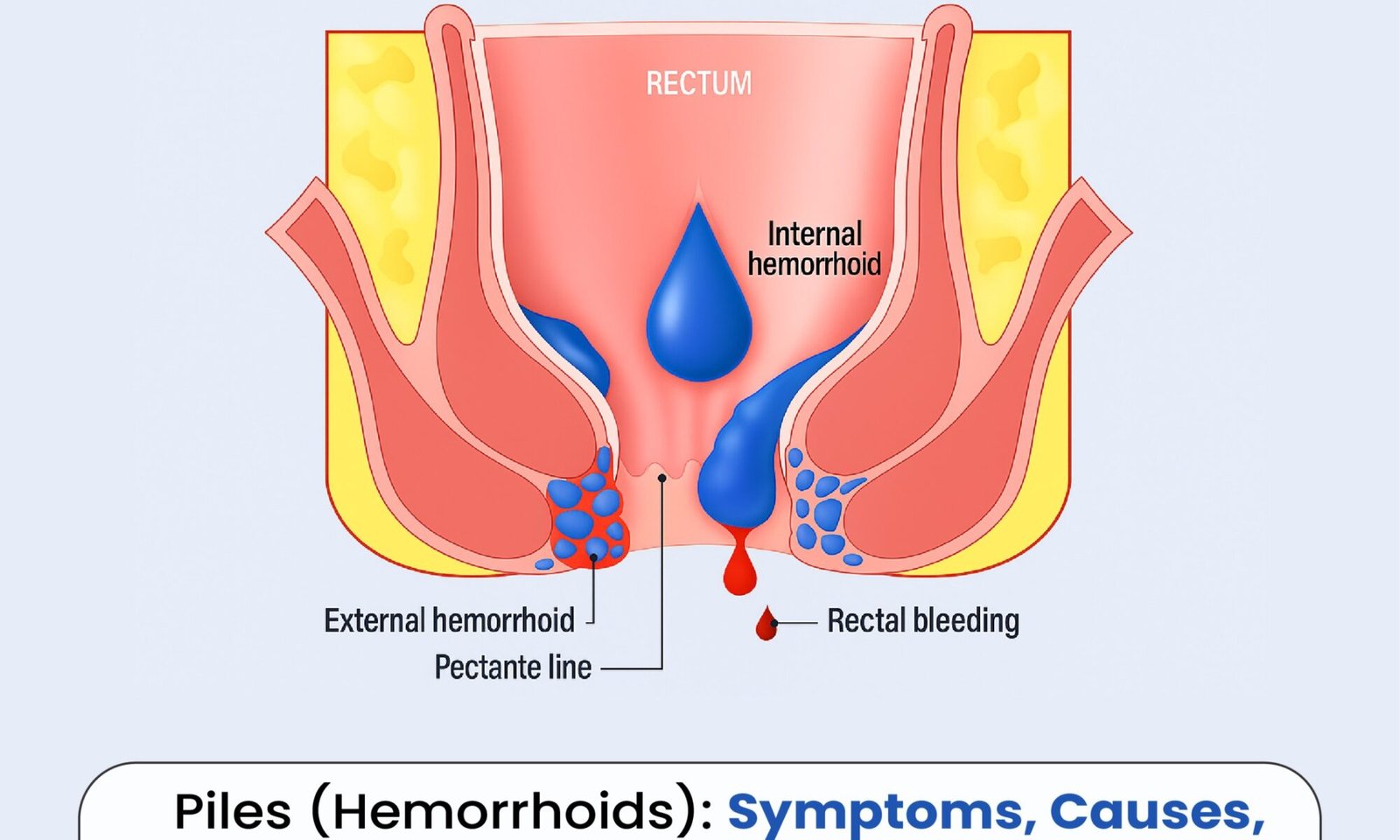
Piles are swollen blood vessels that develop in or around the anus and rectum. They form when the veins in the lower rectum become enlarged due to increased pressure. These blood vessels, which are normally cushion-like in function, help control stool defecation and gas passage. However, when these veins stretch excessively, they can cause hemorrhoids (piles).
Although piles can develop without warning, they are usually caused by factors that increase pressure in the veins in the rectal area, such as straining during bowel movements, chronic constipation, sitting for prolonged periods, and pregnancy. Fortunately, piles are rarely life-threatening, but they can cause significant discomfort, making it important to seek treatment if symptoms arise.
Piles Prevalence: How Common Is Piles?
Piles are a very common condition that affects a large portion of the population. According to research by the Association of Colon & Rectal Surgeons of India (ACRSI), approximately 5% of the population experiences hemorrhoids at any given time, with 50% of people likely to suffer from them by the age of 50.
The middle-aged group, particularly those aged 41-60 years, is most frequently affected by piles. However, this condition can affect individuals of any age. Research indicates that males are more likely to seek treatment for piles, potentially due to embarrassment or social stigma surrounding anorectal issues.
Types of Piles (Hemorrhoids)
Piles are classified into two primary categories based on their location: internal hemorrhoids and external hemorrhoids. Both types differ in their symptoms and treatment approaches.
1. Internal Hemorrhoids
Internal haemorrhoids are usually invisible and are found inside the rectum.They are usually painless but can cause rectal bleeding, particularly when they protrude (prolapse) outside the anus.
Grades of Internal Hemorrhoids:
Grade I: Swollen veins inside the rectum, with no prolapse.
Grade II: Prolapsed hemorrhoids that retract on their own.
Grade III: Prolapsed hemorrhoids that can be manually pushed back inside the rectum.
Grade IV: Prolapsed hemorrhoids that cannot be pushed back in, and often remain outside the anus.
When internal hemorrhoids prolapse, they may cause symptoms like itching, pain, discomfort, and mucus discharge. Grade IV hemorrhoids may be particularly problematic and may require surgical treatment.
2. External Hemorrhoids
Under the skin around the anus, external haemorrhoids form. They can be felt and seen as lumps or bumps. These hemorrhoids are typically painless unless they develop a blood clot (thrombosis), which can cause significant pain and swelling.
Symptoms of external hemorrhoids include:
Bleeding during bowel movements
Painful lumps around the anus
Swelling and itching
If a blood clot forms, it can lead to thrombosed external hemorrhoids, which are extremely painful. The pain from thrombosed hemorrhoids is usually constant and can worsen with bowel movements.
Piles Causes: What Leads to Hemorrhoids?
The causes of piles are primarily associated with increased pressure on the veins around the anus. Here are the most common factors that contribute to the development of piles:
1. Chronic Constipation
One of the most frequent causes of piles is constipation. Straining during bowel movements due to hard stools increases pressure in the rectal veins, leading to hemorrhoid formation. Low-fiber diets and insufficient hydration contribute to constipation.
2. Pregnancy
Pregnant women often experience piles due to the pressure exerted on the pelvic veins by the growing uterus. Hormonal changes also relax the rectal muscles, further increasing the risk of hemorrhoids during pregnancy.
3. Prolonged Sitting
Sitting for extended periods, especially on hard surfaces, can increase pressure on the rectal veins, leading to hemorrhoid development. This is particularly common among individuals with desk jobs or those who are largely sedentary.
4. Aging
As we age, the tissues supporting the rectal veins weaken, making them more susceptible to swelling. This is why piles become more common with age.
5. Obesity
Excess body weight puts additional pressure on the pelvic veins, which can contribute to the formation of hemorrhoids. Maintaining a healthy weight through diet and exercise can reduce the risk of piles.
6. Hereditary Factors
Some individuals inherit a genetic predisposition to weakened veins in the anal area. This can increase the likelihood of developing piles even if other risk factors are absent.
7. Heavy Lifting
Straining while lifting heavy objects increases intra-abdominal pressure, which can lead to hemorrhoid formation. This is particularly common among people who engage in heavy manual labor or improper lifting techniques.
Piles Symptoms: How to Recognize Hemorrhoids
Piles can have a variety of symptoms, depending on the type and severity. Internal hemorrhoids often cause rectal bleeding, while external hemorrhoids may be associated with pain, swelling, and itching around the anus.
1. Internal Hemorrhoids Symptoms
Bright red blood: Blood may appear on the toilet paper or in the stool.
Pain: Usually mild unless the hemorrhoid prolapses.
Prolapse: Hemorrhoids that slip outside the anus during bowel movements but can be retracted back in.
Mucus discharge: A small amount of mucus may leak from the rectum.
2. External Hemorrhoids Symptoms
Pain: Pain, especially during bowel movements, can be severe when thrombosis occurs.
Itching: Skin irritation or itching around the anus is common with external hemorrhoids.
Swelling: A visible lump near the anus can be a sign of external hemorrhoids.
Bleeding: Bleeding can occur when the hemorrhoids are irritated or thrombosed.
Piles Risk Factors: Who Is Most Likely to Develop Piles?
Several risk factors contribute to the development of hemorrhoids. These factors are often related to lifestyle, diet, and genetics. Some of the most common risk factors for piles include:
Low-fiber diet: Low fiber intake causes constipation, which leads to straining during bowel movements.
Chronic constipation: Straining to pass hard stools puts increased pressure on the veins in the anal region.
Sedentary lifestyle: Lack of physical activity reduces circulation and increases pressure on the rectal veins.
Obesity: Excess weight increases pressure on the pelvic and rectal veins.
Pregnancy: The growing uterus puts additional pressure on the rectal veins.
Aging: Age-related weakening of tissues increases susceptibility to piles.
Genetic predisposition: Family history of piles can increase the risk of developing hemorrhoids.
Piles Diagnosis: How to Identify Hemorrhoids
Diagnosing piles typically involves a physical examination. A healthcare provider will examine the anus and rectum to identify any signs of swollen blood vessels. In some cases, additional diagnostic tests may be necessary to confirm the diagnosis and rule out other conditions, such as colorectal cancer.
1. Digital Rectal Exam (DRE)
During this exam, the doctor will insert a lubricated, gloved finger into the rectum to check for internal hemorrhoids or other abnormalities.
2. Anoscopy
An anoscope is a small, lighted tube used to examine the inside of the rectum and identify internal hemorrhoids.
3. Sigmoidoscopy and Colonoscopy
These procedures involve inserting a camera-equipped tube into the colon to examine the large intestine for other potential causes of rectal bleeding or discomfort.
Piles Treatment: How to Manage Hemorrhoids
The treatment for piles depends on the severity of the condition. Here are the most common treatment options:
1. Conservative Treatments
For mild hemorrhoids, conservative treatments are often enough to relieve symptoms and manage the condition.
Dietary changes: Increasing fiber intake and staying hydrated helps prevent constipation and reduces straining.
Topical creams and ointments: Over-the-counter creams that contain hydrocortisone or witch hazel can soothe irritation, itching, and swelling.
Sitz baths: Soaking in warm water helps reduce swelling and soothe the affected area.
Stool softeners: Laxatives can help prevent constipation and ease bowel movements.
2. Medical Treatments
If conservative treatments aren’t effective, your doctor may recommend more advanced medical treatments:
Rubber band ligation: A rubber band is placed around the hemorrhoid to cut off blood flow, causing it to shrink and fall off.
Sclerotherapy: A chemical is injected into the hemorrhoid to shrink it.
Infrared photocoagulation: A laser is used to shrink the hemorrhoid tissue.
3. Surgical Treatments
For severe hemorrhoids, surgery may be necessary:
Hemorrhoidectomy: Surgical removal of hemorrhoids.
Stapled hemorrhoidectomy: A minimally invasive procedure that removes hemorrhoid tissue and staples the remaining tissue back together.
At Laserqure, we offer laser treatment for piles, which is a non-surgical option that provides quicker recovery and less pain.
Piles Prevention: How to Avoid Hemorrhoids
Preventing piles often requires lifestyle changes, including a high-fiber diet, adequate hydration, and regular physical activity. Here are a few tips to help reduce the risk of developing hemorrhoids:
Eat a high-fiber diet: Fiber helps keep stools soft, reducing the need to strain during bowel movements.
Stay hydrated: Drink at least 3-4 liters of water per day to prevent constipation.
Avoid prolonged sitting: Take breaks every 30 minutes if you have a sedentary job.
Difference Between Piles and Fissures
Although piles and anal fissures share some common symptoms, they are two distinct conditions. Piles involve swollen veins in the anal region, while anal fissures are small tears or cracks in the skin around the anus.
Piles
Fissure
Caused by swollen veins around the anus
Caused by small tears or cracks in the anal lining
Common in individuals with constipation or prolonged sitting
Often caused by passing large or hard stools
Symptoms include bleeding, swelling, itching
Symptoms include sharp pain, especially during bowel movements
FAQs on Piles (Hemorrhoids)
1. How can I prevent piles from recurring?
Maintaining a high-fiber diet, staying hydrated, and exercising regularly can help prevent piles from recurring.
2. Can piles cause cancer?
No, piles are not cancerous. However, they can cause discomfort and should be treated promptly.
3. How can I reduce the pain from piles?
Warm Sitz baths, topical creams, and avoiding straining during bowel movements can help reduce the pain and swelling.
4. What is the difference between external and internal piles?
External piles occur under the skin around the anus, while internal piles develop inside the rectum.
5. Are piles genetic?
Yes, some people inherit a predisposition to weakened veins around the anus, increasing the risk of piles.
6. How can I treat piles at home?
Increasing fiber intake, drinking plenty of water, and using topical creams can help manage mild piles at home.
7. Is surgery always required for piles?
Surgery is usually only necessary for severe cases. Most piles can be managed with lifestyle changes and medical treatments.
8. How do I know if I have hemorrhoids?
Symptoms include rectal bleeding, itching, and swelling around the anus. A healthcare provider can confirm the diagnosis.
9. Can pregnancy cause piles?
Yes, the added pressure on the pelvic veins during pregnancy can lead to piles.
10. Can piles be treated without surgery?
Yes, most cases of piles can be managed with conservative treatments, such as dietary changes, creams, and medications.