This simply works as a guide and helps you to connect with the doctor of your choice. Please confirm the doctorβs availability before leaving your premises.
Living with Piles is uncomfortable, and deciding where to get treated can feel even more confusing. It is a private problem, the symptoms are hard to talk about, and almost every clinic online claims to be the best. So how do you make the right choice? Piles, also known as haemorrhoids, are extremely common β by some estimates, around half of all adults experience them at some point in life [1]. The good news is that they are very treatable, and modern laser methods mean most patients are treated as day care and go home the same day [2]. This guide walks you through what really matters, so you can choose with confidence β whether you live in Kukatpally, KPHB, Miyapur, or anywhere across Hyderabad.
Piles are swollen blood vessels in and around the back passage (the anus and lower rectum). They are classified as internal or external, depending on where they form. Internal piles are further graded from one to four, based on how much they prolapse, or come out [3]:
Grade 1: Small swellings inside the anal canal that do not come out.
Grade 2: They come out while passing stool but go back in on their own.
Grade 3: They come out and have to be gently pushed back in by hand.
Grade 4: They stay out and cannot be pushed back in.
Knowing your grade matters, because it decides your treatment. Early-grade piles are often managed without surgery at all, while higher grades may need a procedure [4]. A good clinic will always check your grade before recommending anything.
Mild piles often settle on their own with simple care. However, you should see a doctor if your symptoms do not improve, or if you notice bleeding, pain, or a lump that will not go away. Importantly, any rectal bleeding should always be checked, so a doctor can rule out other, more serious causes [5]. Bleeding is never something to ignore or self-diagnose, even if you are sure it is “just piles.”
You should seek prompt medical advice if you have heavy bleeding, severe pain, a hard painful lump near the anus, or symptoms that keep coming back.
Why Choosing the Right Clinic Matters
Piles, anal fissures, and fistulas are sensitive conditions. The wrong approach can mean unnecessary pain, a slow recovery, or the problem returning. With conservative care alone, piles can come back in more than half of cases over time, which is why proper assessment and the right treatment plan are so important [4]. The right clinic does three things well: it diagnoses your condition correctly, it offers the least invasive treatment that suits your grade, and it supports you properly afterwards.
A trustworthy clinic will never rush you straight into surgery when a simpler option could work.
Use this checklist before you book your appointment. It is the simplest way to recognise the best piles clinic in Hyderabad for your needs.
1. Does the clinic specialise in proctology and laser treatment?
General hospitals treat everything, but a focused clinic treats piles every single day. That experience shows in both your comfort and your results. Look for a place that clearly lists piles, fissure, fistula, and pilonidal sinus as core services.
2. Is the surgeon properly qualified and experienced?
This is the most important point. Check who will actually perform your procedure β their qualifications, their focus on laser and proctology, and whether they regularly handle cases like yours. At Laserqure, for example, treatments are led by Dr. Rambhupal Rao, a plastic and laser surgeon. Always read the doctor’s profile before you book.
3. Do they offer modern laser and minimally invasive options?
Traditional open surgery can mean stitches, more pain, and a longer recovery. Laser treatment is far gentler β it is minimally invasive and is linked with reduced pain and quicker recovery compared with conventional surgery [6]. Studies comparing the two have found that laser hemorrhoidoplasty causes significantly less post-operative pain and a faster return to daily life [7]. Ask whether laser treatment is suitable for your grade.
4. Do they accept cashless insurance and offer EMI?
Cost should never delay timely treatment. A patient-friendly clinic keeps payment simple. Ask two clear questions: Do you offer cashless insurance for piles treatment? And do you have a 0% EMI option if I want to pay in instalments? Laserqure offers both.
5. Is there proper hygiene, privacy, and a female-surgeon option?
This is personal care, so comfort and privacy matter. A good clinic keeps clean facilities, handles your case discreetly, and respects your dignity. Many patients β especially women β feel more comfortable when a female surgeon is available, so simply ask in advance.
6. Do they give an honest diagnosis instead of pushing surgery?
A trustworthy clinic checks your grade of piles first. Early stages are often managed with fibre, fluids, and lifestyle changes, while surgery is reserved for cases that genuinely need it [4]. Be cautious of any place that recommends an operation before properly examining you.
7. Is the cost clear, and is aftercare included?
Ask for a clear idea of the cost and what it covers. A good clinic explains the price honestly, tells you what is included, and offers proper follow-up. Recovery support β diet advice, follow-up checks, and someone to call with questions β is the mark of a clinic that cares about results.
Laser vs Traditional Surgery for Piles
If you are deciding between methods, here is the short version. Laser treatment is minimally invasive, usually involves no stitches, and is associated with less bleeding, less pain, and a faster return to work. Traditional open surgery is more invasive and generally needs a longer recovery [6][7]. The right choice depends on your grade and your surgeon’s assessment, so discuss both options during your consultation. You can read more in our guide on laser vs traditional piles treatment.
What to Expect at Your First Visit
A first appointment is simpler and far less awkward than people fear. The doctor will ask about your symptoms, do a gentle examination to confirm the diagnosis and grade, and then explain your options clearly [8]. You will have time to ask questions before deciding anything. Many clinics, including Laserqure, offer a free short consultation so you can understand your situation without pressure.
Why Laserqure Could Be the Right Choice for You
If you have worked through the checklist above, Laserqure ticks every box β which is why many patients across the city consider it the best piles clinic in Hyderabad. Treatments are led by Dr. Rambhupal Rao and focus on advanced, minimally invasive laser care for piles, anal fissure, anal fistula, pilonidal sinus, and varicose veins. The clinic supports cashless insurance and 0% EMI, maintains a clean and private environment, and offers a free 15-minute consultation.
Look for a clinic that specialises in proctology, has an experienced laser surgeon, offers minimally invasive treatment, supports cashless insurance and EMI, and gives an honest diagnosis instead of pushing surgery. Reading the doctor’s profile and patient reviews helps too.
Which doctor should I consult for piles?
A proctologist or a surgeon who specialises in laser treatment for piles, fissure, and fistula. At Laserqure, care is led by Dr. Rambhupal Rao, a plastic and laser surgeon.
Laser treatment is minimally invasive and is linked with less post-operative pain than traditional surgery [7]. It is usually a day-care procedure, and most patients return home the same day.
Do I always need surgery for piles?
No. Early-grade piles can often be managed with fibre, fluids, and lifestyle changes. A good clinic checks your grade first and only recommends a procedure when it is genuinely needed [4].
Is piles treatment covered by health insurance?
In many cases, yes. Laserqure offers cashless insurance support, and you can confirm your coverage and any waiting period during your consultation.
You do not have to live with the discomfort, and you do not have to decide alone. Book a free 15-minute consultationwith Laserqure to understand your condition and your options β clearly, privately, and without pressure.
Piles can be painful, embarrassing, and deeply frustrating β especially when they keep coming back. If you have been dealing with bleeding, itching, or discomfort for a long time, you are probably asking one simple question: Is there a permanent cure for piles?
The good news is yes β and Piles laser treatment in Hyderabad is helping thousands of patients get lasting relief without the fear of open surgery or long recovery periods.
In this blog, we explain what piles actually is, why it keeps recurring, and how laser treatment at Laserqure offers a safe and permanent solution.
What Are Piles and Why Do They Keep Coming Back?
Piles, also known as haemorrhoids, are swollen veins inside or around the anal canal. They develop when the veins in that area come under repeated pressure β due to constipation, prolonged sitting, straining during bowel movements, or even pregnancy.
There are two types:
Internal piles β Found inside the rectum. Often painless but cause bleeding.
External piles β Found under the skin around the anus. Usually painful and uncomfortable.
Piles are graded from Grade 1 to Grade 4 based on severity. Grade 1 and 2 can sometimes be managed with diet and medication. However, Grade 3 and 4 usually require medical intervention.
One of the biggest reasons piles recur is that traditional treatments only address the symptoms β not the root cause. Ointments and home remedies provide temporary comfort, but they do not remove the enlarged tissue or stop the blood supply feeding the haemorrhoid. Without proper treatment, piles almost always return.
Can Piles Be Cured Permanently?
Yes β piles can be permanently cured when treated correctly.
The key is choosing a treatment that:
Removes or destroys the haemorrhoidal tissue completely
Has a low recurrence rate
Allows the body to heal without complications
This is exactly what Piles laser treatment in Hyderabad is designed to do. Unlike older methods, laser treatment precisely targets the affected tissue while leaving surrounding healthy tissue untouched. The result is a permanent reduction in haemorrhoidal tissue with very low chances of recurrence.
However, it is important to understand that no treatment works in isolation. Lifestyle habits β like eating a fibre-rich diet, staying hydrated, and avoiding prolonged sitting β play a crucial role in preventing piles from coming back after treatment.
What Is Laser Treatment for Piles?
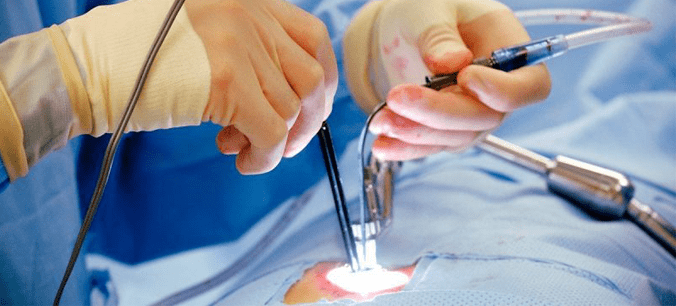
Laser treatment for piles is a minimally invasive procedure where a focused beam of laser energy is used to shrink and destroy the haemorrhoidal tissue. The procedure interrupts the blood supply to the piles, causing them to shrink and eventually disappear.
At Laserqure, the procedure is performed by Dr. Rambhupal Rao, a qualified Plastic and Laser Surgeon with years of experience in advanced proctology care.
Here is what happens during the procedure:
Step 1 β Anaesthesia: Local or spinal anaesthesia is given so you feel no pain during the procedure.
Step 2 β Laser application: A thin laser fibre is inserted into or around the haemorrhoid. The laser energy is delivered in a controlled manner to seal blood vessels and destroy the tissue.
Step 3 β Completion: The procedure takes around 30 to 45 minutes, depending on the grade and number of haemorrhoids.
Step 4 β Recovery: Most patients go home the same day or the following morning.
Laser Treatment vs Traditional Surgery β What Is the Difference?
Many patients are nervous about surgery. But laser treatment is very different from traditional open surgery. Here is a simple comparison:
Factor
Traditional Surgery
Laser Treatment
Pain
Moderate to high
Minimal to none
Hospital stay
2 to 4 days
Same day / 1 day
Recovery time
4 to 6 weeks
3 to 7 days
Risk of bleeding
Higher
Very low
Recurrence rate
Higher
Very low
Return to work
Delayed
Within a week
The difference is clear. Laser treatment offers a faster, safer, and far more comfortable experience β which is why more and more patients are choosing piles laser treatment in Hyderabad over conventional surgical methods.
Who Is a Good Candidate for Laser Treatment?
Laser treatment is suitable for most patients with Grade 2, Grade 3, and Grade 4 piles. You may be a good candidate if:
You have recurring piles that do not respond to medication
You experience regular bleeding during bowel movements
You have prolapsed piles (tissue that protrudes outside the anus)
You want a quick recovery with minimal disruption to daily life
You prefer a procedure with low risk of complications
During your consultation at Laserqure, Dr. Rambhupal Rao will evaluate your condition and recommend the most suitable course of treatment for your specific case.
What Happens After Laser Treatment?
Recovery after piles laser treatment is straightforward and manageable for most patients.
In the first 1 to 2 days: You may feel mild soreness or discomfort around the treated area. This is normal and can be managed with prescribed medication.
In the first week: Most patients return to light activities and desk work within 3 to 5 days. You will be advised to avoid strenuous activity during this period.
Dietary guidance: A high-fibre diet, plenty of water, and avoiding spicy or processed foods will support your recovery and prevent constipation.
Follow-up:Laserqure provides structured follow-up care to monitor your healing and ensure a smooth recovery.
Most patients are fully recovered and back to their regular routine within 7 to 10 days after piles laser treatment in Hyderabad.
Yes β and this is one of the biggest advantages of choosing Laserqure.
Laserqure is empanelled with over 30 major insurance providers including HDFC Ergo, Bajaj Allianz, ICICI Lombard, New India Assurance, and many more. This means you can get cashless laser treatment for piles without worrying about the financial burden.
In addition, Laserqure also offers 0% EMI options, making piles laser treatment in Hyderabad accessible to everyone β regardless of their financial situation.
Why Choose Laserqure for Piles Laser Treatment in Hyderabad?
There are several clinics in Hyderabad, but Laserqure stands apart for these reasons:
Expert surgeon β Led by Dr. Rambhupal Rao, a specialist in laser and plastic surgery
Advanced laser technology β FDA-approved laser systems for safe and effective results
Painless procedures β Designed to minimise discomfort at every step
Same-day discharge β No long hospital stays
Cashless insurance β Empanelled with 30+ insurance companies
0% EMI available β Flexible payment options
Free 15-minute consultation β Speak to a doctor before you commit
Conveniently located β At Anupama Hospitals, JNTU Road, Near Nexus Mall, Kukatpally, Hyderabad
Patient after patient at Laserqure has described their experience as far better than expected β quick, painless, and life-changing.
Real Patient Voices
“The procedure was painless, and recovery was quick. I’m back to my normal life in just one week.” β Ravi K., Piles Patient
“I was scared of surgery for years. Laser treatment at Laserqure changed everything. The staff was incredibly supportive.” β Meena R., Piles Patient
No. The procedure is performed under anaesthesia, so you will not feel pain during the treatment. Post-procedure discomfort is mild and well-managed with medication.
Laser treatment has a very low recurrence rate compared to traditional surgery. Following a healthy lifestyle and diet post-treatment significantly reduces the chances of piles returning.
Q4. How soon can I get back to work?
Most patients return to desk work within 3 to 5 days. Physical or outdoor jobs may require 7 to 10 days of rest.
Q5. How do I book a consultation at Laserqure?
You can call +91 88862 41919, email info@laserqure.com, or visit the clinic at Anupama Hospitals, JNTU Road, Near Nexus Mall, Kukatpally, Hyderabad. A free 15-minute consultation is available.
Piles can indeed be cured permanently β with the right treatment and the right care. Medication and home remedies have their place, but for lasting relief, advanced laser treatment is the most effective option available today.
If you or someone you know is suffering from piles, do not delay. The longer you wait, the more the condition can progress and affect your quality of life.
Book your consultation today at Laserqure β the most trusted destination for piles laser treatment in Hyderabad.
If you wince every time you visit the toilet β or dread going altogether β you are not alone. Pain after passing stool is one of the most common yet under-reported health complaints in India. Many people silently suffer for months, assuming it will go away on its own. Sometimes it does. Often, it doesn’t.
The most frequent cause of this sharp, burning discomfort is a condition called ananal fissure β a small tear in the lining of the anal canal. While it sounds minor, it can significantly affect your daily quality of life.
This guide explains what anal fissures are, why they cause pain, what makes them worse, and what you can do about them.
An anal fissure is a small cut or tear in the thin, moist tissue (mucosa) that lines the anal canal. Think of it like a paper cut β except in one of the most sensitive parts of your body.
Because the anal canal has a dense network of nerve endings, even a tiny tear can causedisproportionately intense pain, especially during and after a bowel movement.
Anal fissures can affect people of any age β including infants and young adults β and are equally common in men and women.
The pain pattern of an anal fissure is quite distinctive and follows a predictable sequence:
During the bowel movement β you feel a sharp, tearing or cutting sensation as stool passes over the fissure.
Immediately after β the pain may intensify for a few minutes.
30 minutes to 2 hours after β a prolonged burning or throbbing pain sets in. This is caused by spasm of the internal anal sphincter muscle, which tightens reflexively in response to the tear.
This sphincter spasm is actually the main reason anal fissures are so painful and why they take a long time to heal β the spasm reduces blood supply to the area, slowing natural tissue repair.
The primary cause is trauma to the anal lining, usually from:
1. Hard or Large Stools (Constipation) The most common trigger. Straining to pass a large, dry stool creates excessive pressure on the anal canal wall, causing a tear.
2. Chronic Diarrhoea Frequent, loose stools repeatedly irritate and inflame the delicate anal tissue, eventually breaking it down.
3. Childbirth Women who have given birth vaginally are at significantly higher risk. The pressure and stretching during delivery can cause fissures.
4. Anal Intercourse Friction and trauma can cause tears in the anal lining.
5. Low-Fibre Diet A diet lacking in fibre leads to harder, bulkier stools β a leading risk factor for both constipation and fissures.
6. Reduced Blood Flow Older adults may develop fissures due to reduced circulation to the anorectal area.
7. Inflammatory Bowel Disease (IBD) Conditions like Crohn’s disease can cause chronic anal fissures as part of their wider gut inflammation.
Acute vs. Chronic Anal Fissure β Know the Difference
Feature
Acute Fissure
Chronic Fissure
Duration
Less than 6 weeks
More than 6β8 weeks
Appearance
Fresh, clean tear
Fibrosed edges, sentinel pile
Likely Cause
Single trauma event
Repeated injury or poor healing
Self-healing
Often possible
Rarely heals without treatment
Treatment
Diet + topical creams
Medical or laser intervention
An acute fissure can become chronic if left untreated. Chronic fissures develop hardened, thickened edges and often come with a sentinel skin tag at the lower end β a sign that the body has been trying (and failing) to heal.
Acute fissures β yes, sometimes. With adequate hydration, a high-fibre diet, sitz baths, and stool softeners, many fresh fissures resolve within a few weeks.
Chronic fissures β rarely without medical intervention. Once the tissue has become fibrotic and the sphincter spasm is persistent, topical treatments and diet changes alone are usually insufficient.
Home Remedies That Can Help (For Mild Cases)
For early-stage or acute fissures, the following can provide relief and support healing:
Increase dietary fibre β 25β35g per day through fruits, vegetables, whole grains, and lentils
Drink 2.5β3 litres of water daily to keep stools soft
Warm sitz baths for 15β20 minutes, 2β3 times a day β reduces sphincter spasm and promotes blood flow
Avoid straining β never hold your breath or push hard during a bowel movement
Topical anaesthetic creams β can provide temporary pain relief (consult a doctor before use)
Stool softeners β help ease passage without straining
Conservative Treatment Fibre supplements, stool softeners, sitz baths, and topical creams (GTN, diltiazem, or lignocaine-based) are the first line for acute fissures.
Botox Injections Botulinum toxin injected into the internal anal sphincter reduces muscle spasm, temporarily allowing the fissure to heal. It is effective but may need to be repeated.
Laser Treatment (LIS β Laser Internal Sphincterotomy) For chronic, non-healing fissures, laser-assisted internal sphincterotomy is a minimally invasive option. The procedure:
Takes 20β30 minutes under local or short general anaesthesia
Involves a precise laser incision to release the sphincter spasm
Requires no hospital overnight stay β same-day discharge in most cases
Has a low recurrence rate compared to open surgery
Is covered under cashless insurance with 35+ insurers
At LaserQure, laser treatment for anal fissure is performed by Dr. Ram Bhupal Rao, a Plastic & Laser Surgeon with extensive experience in laser proctology at Anupama Hospitals, Kukatpally, Hyderabad.
No. Piles are swollen blood vessels inside or around the rectum. An anal fissure is a tear in the anal lining. They can coexist but are different conditions requiring different treatments.
The procedure is performed under anaesthesia, so there is no pain during the surgery. Post-procedure discomfort is mild and manageable with medication.
Yes β at LaserQure, anal fissure laser treatment is covered under cashless insurance with over 35 insurance providers, including major government and private schemes.
In most cases, yes. Laser fissure treatment at LaserQure is typically a day-care procedure with same-day discharge.
Q7. What foods should I avoid if I have an anal fissure? Avoid spicy foods, refined flour (maida), red meat, alcohol, and low-fibre processed foods. Focus on fruits, vegetables, oats, and adequate water intake.
LaserQure at Anupama Hospitals, Kukatpally, offers laser treatment for anal fissures performed by Dr. Ram Bhupal Rao. The procedure is minimally invasive, covered under cashless insurance with 35+ providers, and typically involves same-day discharge.
Conclusion
Pain after passing stoolis not something you have to accept as normal or simply endure. In most cases, it signals an anal fissure β a treatable condition. Early diagnosis and appropriate management can resolve it quickly, while delaying care can turn a simple fissure into a chronic, recurring problem.
If you’ve been experiencing these symptoms for more than a few weeks, a consultation with a laser proctology specialist can help identify the right course of treatment and get you back to comfortable, pain-free living.
Do you want to know the myths about Pilonidal Sinus?
Pilonidal sinusitis is a condition that often comes with misconceptions.
Let’s address and debunk some of the most common myths about this condition to provide clearer insight into what it really entails.
7 Myths About Pilonidal Sinus (You Need To Know)
Myth 1: Problem for Young Adults
Fact: While pilonidal sinus is most commonly diagnosed in young adults, particularly those in their teens and twenties, it can affect people of all ages.
The condition is often linked to factors such as prolonged sitting and poor hygiene, but age is not a strict determinant.
Myth 2: Poor Hygiene
Fact: Although poor hygiene may contribute to the development of pilonidal sinus, it is not the sole cause.
The condition is primarily caused by hair follicles becoming infected, often due to ingrown hairs.
Genetic factors, hormonal changes, and lifestyle choices can also play a significant role.
Myth 3: Pilonidal Sinus is the Same as a Hemorrhoid
Fact: Pilonidal sinus and hemorrhoids are different conditions.
Pilonidal sinus refers to a small, infected cavity near the tailbone, often with hair or debris, while hemorrhoids are swollen veins in the rectal area.
They require different treatment approaches.
Myth 4: Surgery for Pilonidal Sinus is Always Complicated
Fact: While surgery may be necessary for severe cases, not all treatments for pilonidal sinus are complex.
Many procedures are minimally invasive and designed to provide effective relief with relatively quick recovery times.
Myth 5: Pilonidal Sinus is a Rare Condition
Fact: Pilonidal sinus is more common than many realize. It affects about 1-3% of the population, making it a relatively prevalent issue.
Awareness and early treatment are key to managing and curing the condition effectively.
Myth 6: Once Treated, Pilonidal Sinus Never Comes Back
Fact: Although many patients experience long-term relief after treatment, pilonidal sinus can recur, especially if underlying contributing factors, like excessive sitting or improper hygiene, are not addressed.
Regular follow-up and lifestyle adjustments can help reduce the risk of recurrence.
Myth 7: Pilonidal Sinus Only Affects Men
Fact: Pilonidal sinus affects both men and women. While it is slightly more common in men, women are also susceptible to this condition.
Check the condition of gender is not a determining factor for its occurrence.
Conclusion
Understanding the truths about pilonidal sinus helps in better managing and treating the condition. I hope you have understood the myths about pilonidal sinus.
By dispelling these myths, individuals can approach treatment with accurate information and reduce the stigma associated with this common health issue.
If you suspect you have a pilonidal sinus or need more information, consulting with a healthcare professional can provide personalized guidance and treatment options.