This simply works as a guide and helps you to connect with the doctor of your choice. Please confirm the doctor’s availability before leaving your premises.
Piles, also known as haemorrhoids, are a common anorectal condition that cause discomfort, pain, itching, and swelling around the anal area. While many patients look for quick relief at home, one of the most trusted and doctor-recommended remedies is the sitz bath. If you have ever wondered “What is a Sitz Bath, and how might it help with piles?”, this detailed guide will help you understand everything about how it works, why it is effective, and when you should consider medical treatment.
At Laserqure, we often meet patients who try home remedies but still struggle with recurring piles symptoms. A sitz bath can make a significant difference in reducing discomfort, but it is also important to know its limitations. Let’s explore this simple yet powerful therapy in detail.
Understanding What a Sitz Bath Is
A sitz bath is a warm, shallow bath designed to cleanse and soothe the perineal region — the area between the rectum and the vulva or scrotum. The term “sitz” comes from the German word sitzen, which means “to sit.” As the name suggests, you simply sit in warm water, allowing the affected area to soak.
This warm water therapy increases blood flow, relaxes the anal muscles, reduces irritation, and promotes healing. Although a sitz bath is commonly used for piles, it is also recommended for:
Anal fissures
Post-delivery healing
Chronic constipation
Post-surgical care for anorectal procedures
Perineal injuries
It is safe, easy to do at home, and suitable for people of all ages.
Why Doctors Recommend Sitz Baths for Piles
Piles cause inflammation and congestion of blood vessels in the anal canal. This leads to pain, itching, burning, and difficulty during bowel movements. A sitz bath provides relief by:
Improving blood circulation
Relaxing swollen tissues
Reducing burning and itching
Softening the anal region
Promoting gentle cleansing without friction
When patients enquire, “What is a Sitz Bath, and how might it help with piles?”, the simplest explanation is that it delivers direct, calming warm water therapy to irritated areas. It does not cure piles but significantly reduces symptoms.
Benefits of Using a Sitz Bath for Piles Relief
A sitz bath has several therapeutic benefits that make it a preferred choice for piles management. Some of the key benefits include:
1. Reduces Pain and Swelling
Warm water relaxes the blood vessels, reducing the pressure and discomfort caused by swollen haemorrhoids.
2. Relieves Itching and Irritation
The gentle warmth soothes irritated skin and reduces constant itching around the anal region.
3. Promotes Faster Healing
Improved blood flow speeds up tissue repair, making recovery easier.
4. Helps During Bowel Movements
A sitz bath before or after passing stool reduces pain and avoids further irritation.
5. Maintains Hygiene
It helps clean the perineal area gently without wiping, which can otherwise worsen symptoms.
6. Reduces Muscle Spasms
The anal muscles relax in warm water, lowering spasms and discomfort.
These benefits make the sitz bath an essential part of conservative piles care.
How to Do a Sitz Bath at Home
There are two easy ways to take a sitz bath — using a sitz bath kit or using a bathtub.
Method 1: Using a Sitz Bath Kit
A sitz bath kit includes a shallow bowl that fits over a toilet seat.
Steps:
Clean the bowl thoroughly.
Fill it with warm water (not hot).
Sit comfortably with the anal area submerged.
Soak for 10–20 minutes.
Pat dry gently with a soft towel.
Clean the bowl after use.
Method 2: Using a Bathtub
If you have a bathtub, this method is equally effective.
Steps:
Clean the tub well.
Fill it with 3–4 inches of warm water.
Sit in the tub with knees slightly raised.
Soak the affected area for 15–20 minutes.
Dry gently with a soft towel.
Frequency:
Most doctors recommend taking a sitz bath 2–3 times a day for best results.
Does a Sitz Bath Cure Piles? Understanding Its Limitations
A very common question patients ask is: “Can a sitz bath cure piles permanently?”
The answer is No.
A sitz bath cannot cure piles, but it reduces symptoms temporarily. It is ideal for:
Mild piles
Post-surgery recovery
Painful flare-ups
Irritation after bowel movements
If you have large, prolapsed, bleeding, or recurring piles, you may need medical treatment. This is where advanced options like laser treatment for piles in Hyderabad become extremely effective.
Home Care Tips Along with Sitz Baths
To get the best results from a sitz bath, combine it with the following lifestyle adjustments:
These small steps reduce pressure on the anal region and support healing.
Who Should Be Careful While Taking a Sitz Bath?
Although sitz baths are generally safe, caution is needed for:
People with open wounds
Diabetic patients (risk of infection)
Individuals with severe skin infections
People with decreased sensation in the anal region
Anyone with unusual bleeding (consult a doctor)
Always check the water temperature to avoid burns.
Final Thoughts
A sitz bath is one of the simplest and most effective home remedies for piles. It helps relieve pain, itching, burning, and discomfort by improving blood flow and relaxing the anal area. However, while a sitz bath gives relief, it does not cure piles permanently.
If your symptoms persist, worsen, or keep returning, advanced medical evaluation is important. Laser treatment for piles in Hyderabad provides long-term relief with minimal pain and a rapid recovery.
Laserqureoffers entire piles care, from initial assessment to advanced treatment choices, with patient-friendly support to ensure you heal easily and confidently.
FAQs
1. How does a sitz bath help piles?
A sitz bath improves blood flow, reduces swelling, and soothes irritation in the anal region, giving quick relief from pain, itching, and discomfort caused by piles.
2. How long should I sit in a sitz bath?
Most doctors recommend soaking for 10–20 minutes. This duration is sufficient to relax swollen tissues and provide effective relief from piles symptoms.
3. How many times a day should I take a sitz bath?
You can take a sitz bath 2–3 times a day, especially after bowel movements, to reduce pain, irritation, and swelling around the anal area.
4. Can a sitz bath cure piles permanently?
No. A sitz bath only provides symptom relief. It cannot cure piles completely. Persistent or severe piles require medical treatments such as laser procedures.
5. Is a sitz bath safe during pregnancy?
Yes, a sitz bath is safe for pregnant women. It helps reduce discomfort, itching, and swelling. Always ensure the water temperature is comfortably warm.
6. Can I add salt to a sitz bath?
Yes. You may add Epsom salt or regular salt to enhance relief. However, avoid using overly hot water or harsh chemicals in the sitz bath.
7. Does a sitz bath help with anal fissures?
Yes, a sitz bath relaxes anal muscles, reduces pain, and promotes healing, making it beneficial for patients with both piles and anal fissures.
8. Can I take a sitz bath after piles surgery?
Yes, sitz baths are commonly recommended after piles surgery to improve comfort, reduce swelling, and support healing of the anal area.
9. What is the right water temperature for a sitz bath?
The water should be warm, not hot. Ensure it is comfortable to touch to avoid burns and irritation while soaking.
10. When should I see a doctor instead of relying on sitz baths?
Seek medical help if you notice bleeding, severe pain, prolapse, recurring symptoms, or no improvement despite regular sitz baths.
Every year, Piles Awareness Month: Why It’s Time to Talk About This Common Yet Ignored Problem? gains global attention as experts emphasize the importance of speaking openly about piles — condition millions silently struggle with. Even though piles (haemorrhoids) affect people of all ages, they remain one of the most misunderstood and stigmatized health issue
In major cities like Hyderabad, where sedentary jobs, unhealthy food habits, and chronic constipation are common, the number of piles cases is rising every year. Yet, many individuals delay treatment due to embarrassment, fear, or lack of awareness.
make modern, painless treatments more widely known.
Understanding Piles: A Common Yet Hidden Problem
Piles are swollen, enlarged veins in the rectum or anal region. They resemble varicose veins and can be internal or external.
Common Symptoms Include:
Bleeding during bowel movements
Sharp pain or burning sensation
Itching or irritation
A lump near the anal opening
Discomfort while sitting
Although piles are not dangerous in most cases, ignoring them for long can lead to severe complications — which is why Piles Awareness Month is crucial.
Why Piles Awareness Month Matters More Than Ever
Many people continue to suffer in silence due to misconceptions such as “piles will heal on their own” or “treatment is painful.” This awareness campaign aims to change that mindset.
Why people often ignore piles:
Embarrassment talking about rectal issues
Fear of painful surgery
Lack of awareness about advanced treatments
Overreliance on home remedies
Misconception that it’s a temporary condition
At Laserqure, the Piles Specialist in Hyderabad explains that early diagnosis prevents complications and makes recovery quicker and easier.
Daily Habits That Worsen Piles Symptoms
Our modern lifestyle plays a major role in the rise of piles cases. During Piles Awareness Month, it’s important for people to identify harmful habits.
Key factors include:
Low-fibre diet
Straining during bowel movements
Chronic constipation
Long sitting hours (office jobs)
Obesity
Lack of exercise
Pregnancy-related pressure
Ageing and weak veins
Small changes in daily habits can significantly reduce piles symptoms and prevent recurrence.
Why It’s Time to Talk About Piles Openly
Talking openly about piles is not a sign of weakness — it’s a step toward better health. Most patients visit a doctor only when their condition becomes unbearable.
Piles Awareness Month is not only about information — it improves health outcomes.
Awareness helps people:
Identify symptoms early
Avoid unsafe home remedies
Choose modern treatments
Prevent long-term complications
Save time and money with early intervention
When piles are treated early, recovery is quick and smooth.
How to Prevent Piles Through Simple Lifestyle Habits
Prevention is always better than cure. Follow these steps during Piles Awareness Month and beyond:
Add fibre to every meal
Drink more water
Avoid straining in the toilet
Stay active — walk daily
Maintain a healthy body weight
Avoid sitting for long hours
Reduce spicy and oily food
Respond promptly to bowel movement urges
These small steps make a big difference in long-term digestive health.
Laserqure’s Role in Piles Awareness Month
Laserqure is committed to making piles treatment comfortable, stigma-free, and accessible. As Hyderabad’s leading center for painless laser procedures, Laserqure continues to:
Conduct awareness sessions
Provide educational resources
Offer expert consultations
Promote early diagnosis
Deliver world-class treatment
With a dedicated team led by top specialists, Laserqure ensures compassionate and confidential care for every patient.
Book Your Consultation Today
If you experience pain, swelling, bleeding, discomfort, or a lump near the anal region — don’t ignore it. During Piles Awareness Month, take the first step toward relief.
Laserqure’s Piles Specialist in Hyderabad provides personalized evaluation, modern diagnosis, and advanced laser treatment for painless recovery.
Take charge of your health before symptoms worsen.
Awareness starts with action.
Frequently Asked Questions (FAQs)
1. What is Piles Awareness Month? It is a campaign dedicated to educating people about piles, symptoms, prevention, and modern treatments, encouraging early consultation and breaking social stigma around anorectal diseases.
2. Why do people ignore piles symptoms? Many people feel embarrassed discussing rectal issues or fear surgery, causing delays and worsening the condition before seeking proper medical help.
3. What are the first signs of piles? Early symptoms include pain, bleeding, itching, or a small lump near the anus. Timely consultation ensures easier and faster treatment.
4. Is laser piles treatment painful? No. Laser treatment is minimally invasive, nearly painless, bloodless, and allows same-day discharge with very quick recovery.
5. Can piles be treated without surgery? Early-stage piles can improve with diet changes, hydration, medication, and lifestyle adjustments. Advanced cases may require laser treatment.
6. When should I visit a piles specialist? If you notice bleeding, severe pain, itching, swelling, or persistent discomfort, consult a specialist immediately to avoid complications.
7. Who is the best piles surgeon in Hyderabad? Laserqure is known for experienced surgeons offering advanced and painless laser treatments for piles, fissure, and fistula.
8. What lifestyle changes prevent piles? Drink enough water, eat fibre-rich foods, avoid straining, exercise regularly, and avoid long sitting hours to reduce the risk of piles.
9. Can untreated piles lead to complications? Yes. Untreated piles can cause anemia, prolapse, thrombosis, severe pain, and infections requiring urgent medical attention.
10. Is laser piles surgery safe for all ages? Yes. Laser surgery is safe, precise, minimally invasive, and suitable for most age groups with minimal downtime.
Hemorrhoids, also known as piles, are a common condition that affects millions of people worldwide. These swollen blood vessels in the rectal or anal areas can cause discomfort, itching, pain, and even bleeding. While hemorrhoids are not life-threatening, they can cause significant distress. A common concern among people suffering from hemorrhoids is whether this condition could lead to cancer.
In this blog, we will explore the question: Can Hemorrhoids Lead to Cancer?, the differences between hemorrhoids and colorectal cancer, and why it is essential to consult a Piles Doctor in Hyderabad for proper diagnosis and treatment.
Understanding Hemorrhoids and Cancer
To address the question, it is crucial to understand both conditions and their symptoms.
What Are Hemorrhoids?
Hemorrhoids are swollen veins in the rectum or anus, similar to varicose veins. They can either be internal (inside the rectum) or external (under the skin around the anus). Hemorrhoids are commonly caused by factors like:
Chronic constipation or diarrhea
Straining during bowel movements
Sitting for prolonged periods
Pregnancy-related pressure
A low-fiber diet
Symptoms of hemorrhoids include:
Bleeding during bowel movements
Itching or irritation around the anus
Pain or discomfort when sitting
A lump near the anal opening
Though hemorrhoids are not life-threatening, they can significantly affect one’s quality of life.
What is Colorectal Cancer?
Colorectal cancer affects the colon or rectum and may present symptoms similar to hemorrhoids, such as rectal bleeding and changes in bowel habits. Additional symptoms of colorectal cancer can include:
Unexplained weight loss
Persistent abdominal pain
Fatigue and anemia
A lump in the abdomen or rectal area
It’s important to note that colorectal cancer is a serious condition that requires immediate medical attention, while hemorrhoids are generally treatable with lifestyle changes or medical interventions.
Can Hemorrhoids Lead to Cancer?
The short answer is NO — hemorrhoids do not cause cancer. However, there are several reasons why people often confuse hemorrhoids with colorectal cancer. The most significant reason is that both conditions can cause rectal bleeding.
Why the Confusion Happens?
Both hemorrhoids and colorectal cancer can cause rectal bleeding. While hemorrhoids generally cause mild bleeding during bowel movements, cancerous growths can also lead to bleeding.
Other symptoms, such as pain or discomfort in the anal area, can overlap between hemorrhoids and cancer, further complicating the diagnosis.
Therefore, while hemorrhoids themselves do not cause cancer, the similar symptoms they share with colorectal cancer make it crucial to seek a proper diagnosis from a Best Piles Specialist in Hyderabad.
When Should You Consult a Piles Doctor in Hyderabad?
It is important to consult a healthcare professional if you notice any of the following symptoms:
Persistent rectal bleeding not associated with bowel movements
Changes in bowel habits, such as diarrhea or constipation lasting for weeks
Pain or discomfort in the anal area that doesn’t go away
A lump or swelling around the anus that doesn’t resolve
Unexplained weight loss or fatigue
If you experience any of these symptoms, it’s time to consult with a Piles Doctor in Hyderabad to rule out more serious conditions like colorectal cancer.
Diagnosis: How to Differentiate Between Hemorrhoids and Cancer?
Accurate diagnosis is crucial to rule out cancer and avoid unnecessary treatments for hemorrhoids. A Piles Specialist can conduct several tests to diagnose the condition.
Diagnostic Procedures:
Physical Examination The doctor will visually inspect the anal region for external hemorrhoids or other abnormalities.
Digital Rectal Exam (DRE) A gloved finger is inserted into the rectum to check for internal hemorrhoids, lumps, or signs of cancer.
Anoscopy A small, tube-like instrument is inserted into the rectum to view the anal canal and lower rectum.
Sigmoidoscopy or Colonoscopy These procedures involve inserting a flexible tube with a camera to examine the colon and rectum for signs of cancer or other gastrointestinal conditions.
Treatment for Hemorrhoids vs. Colorectal Cancer
While hemorrhoids do not require the same type of aggressive treatment as colorectal cancer, it’s essential to seek the right care for each condition.
Treating Hemorrhoids
In many cases, hemorrhoids can be managed with lifestyle changes, such as:
Increasing fiber intake
Drinking plenty of water
Avoiding straining during bowel movements
Over-the-counter ointments, creams, and suppositories can help relieve pain and itching. In more severe cases, medical treatments may include:
Rubber Band Ligation – A band is placed around the base of the hemorrhoid to cut off blood supply.
Sclerotherapy – A chemical solution is injected to shrink the hemorrhoid.
Infrared Coagulation – A heat source is used to shrink the hemorrhoid.
Hemorrhoidectomy – Surgical removal of hemorrhoids in severe cases.
Treating Colorectal Cancer
Colorectal cancer treatment typically includes:
Surgery to remove tumors
Chemotherapy or radiation to kill cancer cells
Targeted therapies to block cancer growth
Immunotherapy to help the immune system fight cancer
Early diagnosis is critical for successful treatment.
Preventing Hemorrhoids and Colorectal Cancer
Both hemorrhoids and colorectal cancer can be prevented with some healthy lifestyle choices.
Tips for Preventing Hemorrhoids:
Eat a High-Fiber Diet: Include fruits, vegetables, whole grains, and legumes to prevent constipation and straining.
Stay Hydrated: Drink enough water to keep stools soft and prevent constipation.
Exercise Regularly: Physical activity helps maintain a healthy weight and stimulates bowel movements.
Avoid Prolonged Sitting: Take breaks to stand and walk if you sit for extended periods.
Tips for Preventing Colorectal Cancer:
Get Regular Screenings: Colonoscopies and other screenings can detect colorectal cancer early when it is most treatable.
Maintain a Healthy Weight: Obesity is a known risk factor for colorectal cancer.
Limit Alcohol and Tobacco Use: Both increase the risk of colorectal cancer.
Eat a Balanced Diet: Focus on whole foods, including fiber, and limit red meat and processed foods.
Conclusion: Don’t Ignore Symptoms
While hemorrhoids do not lead to cancer, they share symptoms with colorectal cancer, making it important to consult a Piles Doctor in Hyderabad if you experience any discomfort, bleeding, or changes in bowel habits.
Laserqure offers expert care for hemorrhoids and other gastrointestinal conditions. Ifyou’re concerned about rectal bleeding or discomfort, don’t wait. Early intervention can help ensure that you receive the right diagnosis and treatment, avoiding unnecessary worry.
Consult the Best Piles Specialist in Hyderabad today at Laserqure for personalized, advanced care tailored to your needs.
Frequently Asked Questions (FAQs)
1. Can hemorrhoids lead to cancer? No, hemorrhoids do not cause cancer. However, their symptoms, like rectal bleeding, can resemble those of colorectal cancer, making early diagnosis important.
2. What are the symptoms of hemorrhoids? Symptoms include itching, pain, rectal bleeding, a lump near the anus, and discomfort during bowel movements.
3. How can I differentiate between hemorrhoids and cancer? Consult a Piles Doctor in Hyderabad for tests like a digital rectal exam or colonoscopy to differentiate between hemorrhoids and cancer.
4. What are the treatment options for hemorrhoids? Treatment includes dietary changes, over-the-counter medications, and in severe cases, procedures like rubber band ligation or hemorrhoidectomy.
5. When should I see a doctor for hemorrhoids? If you experience rectal bleeding, persistent pain, or a change in bowel habits, seek consultation with a Piles Specialist in Hyderabad.
6. Can lifestyle changes prevent hemorrhoids? Yes. A high-fiber diet, hydration, regular exercise, and avoiding prolonged sitting can significantly reduce the risk of hemorrhoids.
7. Can hemorrhoids turn into cancer? No, hemorrhoids are not a precursor to cancer, though they can share symptoms like rectal bleeding. A doctor can help differentiate the two.
8. What happens if hemorrhoids are left untreated? Untreated hemorrhoids may cause chronic bleeding, anemia, or worsening pain. Severe cases may require surgical intervention.
9. Is hemorrhoid treatment painful? No, modern treatments like laser therapy are quick, painless, and highly effective for hemorrhoid removal.
10. How can I prevent colorectal cancer? Maintain a healthy weight, avoid alcohol and tobacco, eat a balanced diet, and undergo regular screenings like colonoscopies.
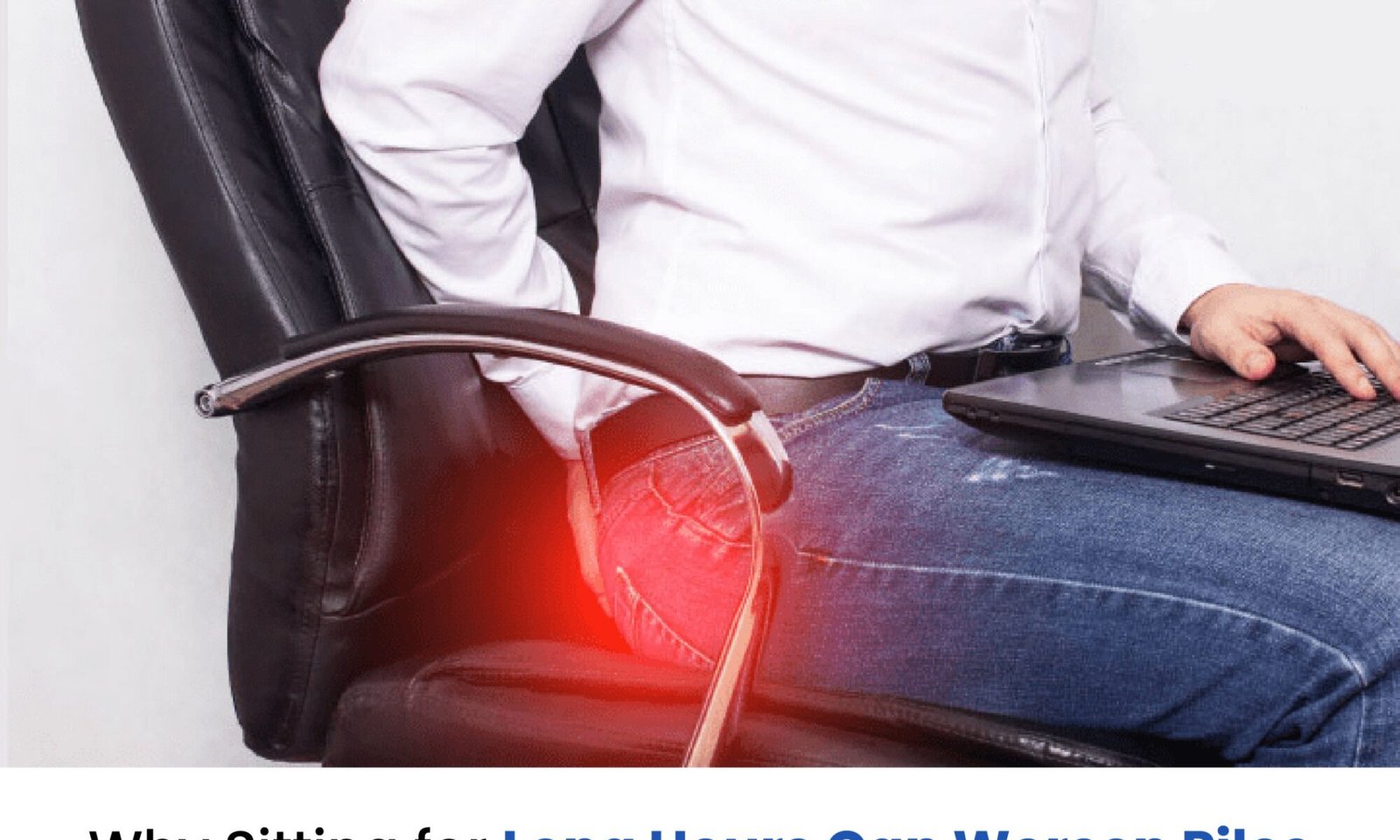
Piles, or hemorrhoids, are a common condition that causes swelling of the blood vessels in and around the rectum and anus. While the condition can occur due to various reasons, one significant factor that exacerbates piles is prolonged sitting. Many people, especially those with desk jobs, spend hours sitting without considering how it might impact their digestive health and contribute to the worsening of piles. In this blog, we will explore why sitting for long hours can worsen piles, the risk factors involved, and how you can prevent and manage this condition effectively.
How Does Sitting for Long Hours Affect Piles?
Sitting for extended periods places pressure on the veins in your lower rectum and anus, which can aggravate existing piles or contribute to the development of new ones. Prolonged sitting disrupts blood circulation and puts additional strain on the anal veins, causing them to swell. The more pressure placed on the veins, the worse the condition of piles can get.
Here’s a breakdown of how sitting for long hours directly impacts piles:
1. Increased Pressure on the Rectal Area
When you sit for long periods, especially on hard surfaces, it creates constant pressure on the veins in your rectum and anus. This pressure can worsen existing hemorrhoids or make them more likely to develop in the first place. The prolonged compression cuts off proper circulation, leading to swelling and increased discomfort in the area.
2. Poor Blood Circulation
Long periods of sitting also lead to reduced blood circulation to the lower extremities. In the case of hemorrhoids, this stagnation of blood flow causes the veins in the anal region to swell, worsening the hemorrhoidal condition. This lack of movement makes it difficult for the body to reabsorb the blood that accumulates in the hemorrhoidal veins, thus increasing inflammation and pain.
3. Increased Risk of Constipation
Sitting for long periods can also slow down the digestive system and lead to constipation, which is one of the major causes of piles. When constipation occurs, individuals often have to strain during bowel movements, increasing the pressure on the rectal veins. This continuous straining can cause hemorrhoids to develop or worsen over time.
4. Formation of Thrombosed Hemorrhoids
In some extreme cases, prolonged sitting can lead to the formation of thrombosed hemorrhoids. This occurs when blood clots form within the hemorrhoidal veins, causing severe pain, swelling, and the need for urgent medical intervention. Thrombosed hemorrhoids are extremely uncomfortable and can lead to complications if not treated promptly.
Why Are Certain People More at Risk?
Certain lifestyle choices and professions place individuals at a higher risk of developing or worsening piles due to long sitting hours. Let’s take a look at some of the groups who are particularly vulnerable:
1. Office Workers
People who work desk jobs or in front of computers for long hours are especially at risk of developing or worsening piles. Office workers often sit for extended periods without standing or stretching, which can worsen hemorrhoidal symptoms. Sitting for hours on end not only increases pressure on the rectal veins but also contributes to poor posture, which can further affect digestive health.
2. Drivers
Long hours spent driving, especially for truck drivers, taxi drivers, and other professionals who spend a significant amount of time sitting, can increase the risk of piles. Drivers often remain seated for hours without breaks, which leads to poor circulation and increased pressure on the rectum and anus.
3. Pregnant Women
Pregnancy is another factor that increases the risk of piles, especially when combined with prolonged sitting. The growing uterus places pressure on the rectal veins, which can contribute to the development of piles. Pregnant women who spend extended periods sitting may experience increased discomfort and swelling in the anal region.
4. Sedentary Lifestyles
People who lead sedentary lifestyles—such as those who don’t exercise regularly or spend most of their time sitting—are also at a higher risk. Lack of physical activity can cause the digestive system to slow down, leading to constipation, which in turn aggravates piles.
Preventive Measures for Long Sitting and Piles
While sitting for long hours can exacerbate piles, there are several preventive measures you can take to reduce the risk or prevent the condition from worsening.
1. Take Regular Breaks
If you work at a desk or drive for long hours, it’s essential to stand up, stretch, and move around every 30 to 60 minutes. This helps improve blood flow and reduces pressure on the rectal veins, reducing the risk of piles.
2. Use Cushions
Sitting on a cushion can help alleviate some of the pressure on the affected area. Specifically designed cushions, such as doughnut cushions, can relieve pressure on the anal region and provide added comfort.
3. Stay Active
Engaging in regular physical activity, such as walking, jogging, or yoga, can improve blood circulation and prevent constipation. Exercise is essential in reducing the overall risk of piles by promoting a healthy digestive system and preventing prolonged sitting.
4. Stay Hydrated
Drinking plenty of water throughout the day helps keep your stools soft and easier to pass. Dehydration can lead to hard stools, which require more straining during bowel movements. Straining increases the risk of developing or worsening piles.
5. Eat a High-Fiber Diet
A fiber-rich diet is crucial in managing and preventing piles. Foods high in fiber, such as fruits, vegetables, whole grains, and legumes, can help soften the stool and prevent constipation, reducing the need for straining. Fiber also aids in digestion, which helps promote regular bowel movements.
6. Avoid Straining on the Toilet
If you feel the urge to go, don’t hold it in. Delaying bowel movements can cause the stool to become harder and more difficult to pass. Additionally, avoid sitting on the toilet for long periods and straining when you have a bowel movement.
Seeking Professional Help
If you’ve been suffering from piles and are concerned that prolonged sitting may be making it worse, it’s important to consult a specialist. A piles specialist can assess your condition, offer personalized advice, and recommend the appropriate treatment.
Treatment Options for Piles at Laserqure
At Laserqure, we offer a variety of treatment options for piles, including advanced laser surgery. Our expert doctors specialize in minimally invasive procedures that provide quick relief with minimal pain and fast recovery.
Laser treatment: A non-surgical, painless procedure to shrink or remove hemorrhoids using laser energy.
Sclerotherapy: This method reduces the size of the haemorrhoid by injecting a fluid into it.
Rubber band ligation: A procedure where a rubber band is placed around the hemorrhoid to cut off its blood supply.
Surgical removal: For severe cases, hemorrhoids may need to be surgically removed.
Consulting a specialist at Laserqureensures that you receive the most effective and appropriate treatment based on your specific needs.
Importance of Consulting a Piles Specialist
Ignoring the symptoms of piles or procrastinating in seeking treatment can lead to complications, such as severe pain, thrombosed hemorrhoids, and chronic bleeding. Consulting a qualified piles specialist at an early stage can help prevent complications and ensure that you receive the best treatment tailored to your condition.
At Laserqure, we understand the impact of piles on your quality of life and are committed to providing you with personalized care that addresses the root causes of your condition.
Frequently Asked Questions (FAQs)
1. Can sitting for long hours cause piles?
Yes, sitting for prolonged periods increases pressure on the veins in the rectal area, which can worsen or cause piles.
2. How does sitting affect hemorrhoids?
Sitting for long periods reduces blood circulation to the area, increasing pressure on hemorrhoidal veins, which exacerbates the condition.
3. Can regular breaks help prevent piles?
Yes, standing and stretching every 30-60 minutes can improve blood circulation and reduce pressure on hemorrhoidal veins, preventing piles.
4. What is the best posture to avoid piles?
The best posture is to sit with your knees slightly higher than your hips, and avoid sitting for long stretches without breaks.
5. How can I reduce the risk of piles?
Staying active, maintaining a high-fiber diet, staying hydrated, and avoiding prolonged sitting are key measures to prevent piles.
6. Should I consult a specialist for piles?
Yes, if you experience pain, bleeding, or discomfort, it’s important to consult a piles specialist for proper diagnosis and treatment.
7. How does laser treatment for piles work?
Laser treatment uses focused light to shrink or remove hemorrhoids, offering a minimally invasive solution with quick recovery.
8. How long does it take to recover from laser surgery?
Most patients recover within 2-3 days after laser hemorrhoidectomy with minimal discomfort.
9. Can prolonged sitting cause thrombosed hemorrhoids?
Yes, prolonged sitting can cause blood clots in hemorrhoids, leading to thrombosed hemorrhoids, which are extremely painful.
10. What are the treatment options for piles?
Treatment options include laser surgery, sclerotherapy, rubber band ligation, and surgical removal, depending on the severity of the piles.
Conclusion
Sitting for long hours can significantly worsen piles, leading to increased discomfort, pain, and complications. By following preventive measures such as regular breaks, staying active, and consulting a piles specialist, you can manage your condition effectively and avoid further complications. If you’re suffering from piles, don’t hesitate to contact Laserqure for advanced laser treatment and personalized care. Take control of your health today!
Piles, also known as hemorrhoids, are one of the most common health conditions that affect millions of people globally. They can cause considerable discomfort, pain, bleeding, itching, and in some cases, even permanent damage if left untreated. Fortunately, piles are treatable with medical intervention, lifestyle changes, and dietary adjustments. In this comprehensive guide, we will take a deep dive into piles symptoms, causes, types, prevention, and treatment options available today.
What Are Piles (Hemorrhoids)?
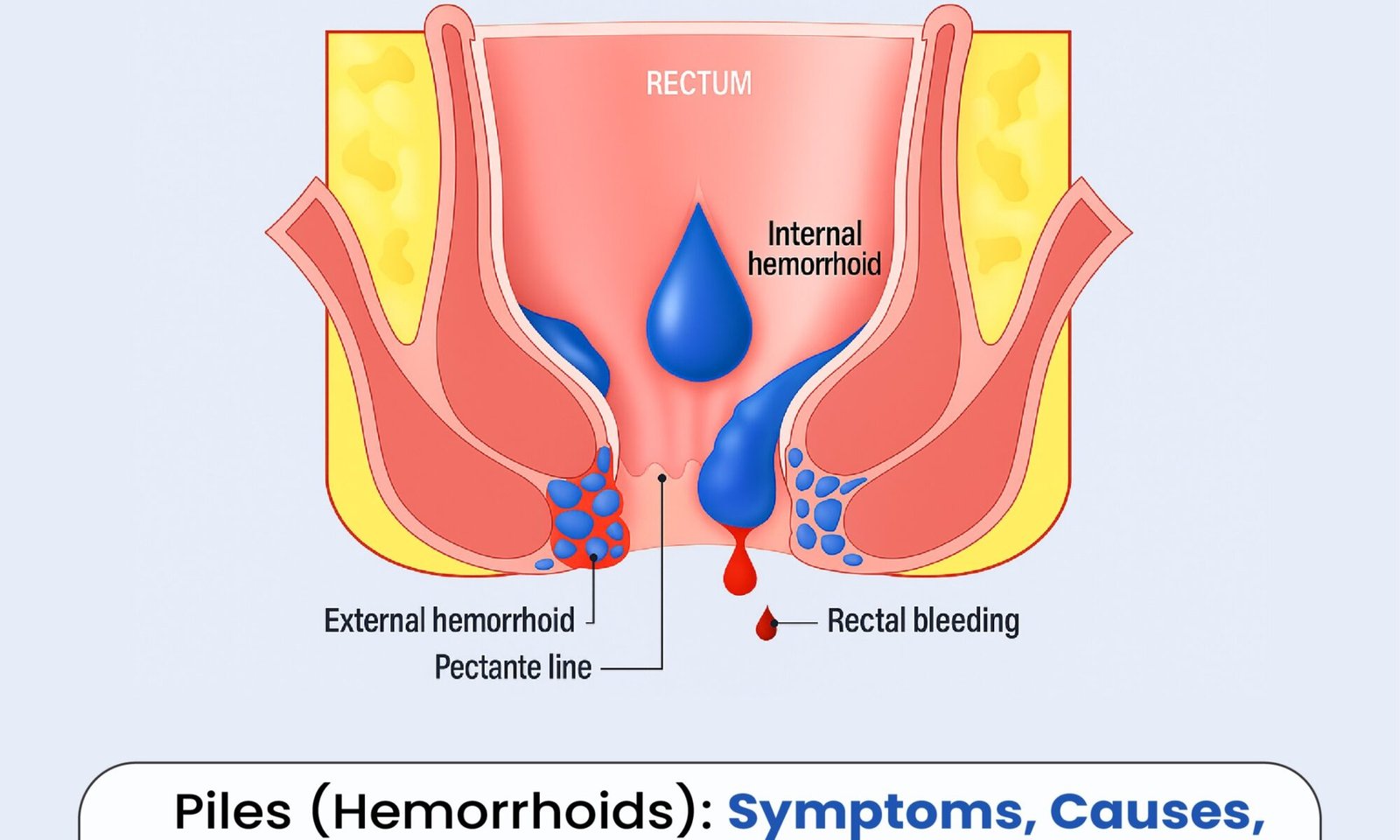
Piles are swollen blood vessels that develop in or around the anus and rectum. They form when the veins in the lower rectum become enlarged due to increased pressure. These blood vessels, which are normally cushion-like in function, help control stool defecation and gas passage. However, when these veins stretch excessively, they can cause hemorrhoids (piles).
Although piles can develop without warning, they are usually caused by factors that increase pressure in the veins in the rectal area, such as straining during bowel movements, chronic constipation, sitting for prolonged periods, and pregnancy. Fortunately, piles are rarely life-threatening, but they can cause significant discomfort, making it important to seek treatment if symptoms arise.
Piles Prevalence: How Common Is Piles?
Piles are a very common condition that affects a large portion of the population. According to research by the Association of Colon & Rectal Surgeons of India (ACRSI), approximately 5% of the population experiences hemorrhoids at any given time, with 50% of people likely to suffer from them by the age of 50.
The middle-aged group, particularly those aged 41-60 years, is most frequently affected by piles. However, this condition can affect individuals of any age. Research indicates that males are more likely to seek treatment for piles, potentially due to embarrassment or social stigma surrounding anorectal issues.
Types of Piles (Hemorrhoids)
Piles are classified into two primary categories based on their location: internal hemorrhoids and external hemorrhoids. Both types differ in their symptoms and treatment approaches.
1. Internal Hemorrhoids
Internal haemorrhoids are usually invisible and are found inside the rectum.They are usually painless but can cause rectal bleeding, particularly when they protrude (prolapse) outside the anus.
Grades of Internal Hemorrhoids:
Grade I: Swollen veins inside the rectum, with no prolapse.
Grade II: Prolapsed hemorrhoids that retract on their own.
Grade III: Prolapsed hemorrhoids that can be manually pushed back inside the rectum.
Grade IV: Prolapsed hemorrhoids that cannot be pushed back in, and often remain outside the anus.
When internal hemorrhoids prolapse, they may cause symptoms like itching, pain, discomfort, and mucus discharge. Grade IV hemorrhoids may be particularly problematic and may require surgical treatment.
2. External Hemorrhoids
Under the skin around the anus, external haemorrhoids form. They can be felt and seen as lumps or bumps. These hemorrhoids are typically painless unless they develop a blood clot (thrombosis), which can cause significant pain and swelling.
Symptoms of external hemorrhoids include:
Bleeding during bowel movements
Painful lumps around the anus
Swelling and itching
If a blood clot forms, it can lead to thrombosed external hemorrhoids, which are extremely painful. The pain from thrombosed hemorrhoids is usually constant and can worsen with bowel movements.
Piles Causes: What Leads to Hemorrhoids?
The causes of piles are primarily associated with increased pressure on the veins around the anus. Here are the most common factors that contribute to the development of piles:
1. Chronic Constipation
One of the most frequent causes of piles is constipation. Straining during bowel movements due to hard stools increases pressure in the rectal veins, leading to hemorrhoid formation. Low-fiber diets and insufficient hydration contribute to constipation.
2. Pregnancy
Pregnant women often experience piles due to the pressure exerted on the pelvic veins by the growing uterus. Hormonal changes also relax the rectal muscles, further increasing the risk of hemorrhoids during pregnancy.
3. Prolonged Sitting
Sitting for extended periods, especially on hard surfaces, can increase pressure on the rectal veins, leading to hemorrhoid development. This is particularly common among individuals with desk jobs or those who are largely sedentary.
4. Aging
As we age, the tissues supporting the rectal veins weaken, making them more susceptible to swelling. This is why piles become more common with age.
5. Obesity
Excess body weight puts additional pressure on the pelvic veins, which can contribute to the formation of hemorrhoids. Maintaining a healthy weight through diet and exercise can reduce the risk of piles.
6. Hereditary Factors
Some individuals inherit a genetic predisposition to weakened veins in the anal area. This can increase the likelihood of developing piles even if other risk factors are absent.
7. Heavy Lifting
Straining while lifting heavy objects increases intra-abdominal pressure, which can lead to hemorrhoid formation. This is particularly common among people who engage in heavy manual labor or improper lifting techniques.
Piles Symptoms: How to Recognize Hemorrhoids
Piles can have a variety of symptoms, depending on the type and severity. Internal hemorrhoids often cause rectal bleeding, while external hemorrhoids may be associated with pain, swelling, and itching around the anus.
1. Internal Hemorrhoids Symptoms
Bright red blood: Blood may appear on the toilet paper or in the stool.
Pain: Usually mild unless the hemorrhoid prolapses.
Prolapse: Hemorrhoids that slip outside the anus during bowel movements but can be retracted back in.
Mucus discharge: A small amount of mucus may leak from the rectum.
2. External Hemorrhoids Symptoms
Pain: Pain, especially during bowel movements, can be severe when thrombosis occurs.
Itching: Skin irritation or itching around the anus is common with external hemorrhoids.
Swelling: A visible lump near the anus can be a sign of external hemorrhoids.
Bleeding: Bleeding can occur when the hemorrhoids are irritated or thrombosed.
Piles Risk Factors: Who Is Most Likely to Develop Piles?
Several risk factors contribute to the development of hemorrhoids. These factors are often related to lifestyle, diet, and genetics. Some of the most common risk factors for piles include:
Low-fiber diet: Low fiber intake causes constipation, which leads to straining during bowel movements.
Chronic constipation: Straining to pass hard stools puts increased pressure on the veins in the anal region.
Sedentary lifestyle: Lack of physical activity reduces circulation and increases pressure on the rectal veins.
Obesity: Excess weight increases pressure on the pelvic and rectal veins.
Pregnancy: The growing uterus puts additional pressure on the rectal veins.
Aging: Age-related weakening of tissues increases susceptibility to piles.
Genetic predisposition: Family history of piles can increase the risk of developing hemorrhoids.
Piles Diagnosis: How to Identify Hemorrhoids
Diagnosing piles typically involves a physical examination. A healthcare provider will examine the anus and rectum to identify any signs of swollen blood vessels. In some cases, additional diagnostic tests may be necessary to confirm the diagnosis and rule out other conditions, such as colorectal cancer.
1. Digital Rectal Exam (DRE)
During this exam, the doctor will insert a lubricated, gloved finger into the rectum to check for internal hemorrhoids or other abnormalities.
2. Anoscopy
An anoscope is a small, lighted tube used to examine the inside of the rectum and identify internal hemorrhoids.
3. Sigmoidoscopy and Colonoscopy
These procedures involve inserting a camera-equipped tube into the colon to examine the large intestine for other potential causes of rectal bleeding or discomfort.
Piles Treatment: How to Manage Hemorrhoids
The treatment for piles depends on the severity of the condition. Here are the most common treatment options:
1. Conservative Treatments
For mild hemorrhoids, conservative treatments are often enough to relieve symptoms and manage the condition.
Dietary changes: Increasing fiber intake and staying hydrated helps prevent constipation and reduces straining.
Topical creams and ointments: Over-the-counter creams that contain hydrocortisone or witch hazel can soothe irritation, itching, and swelling.
Sitz baths: Soaking in warm water helps reduce swelling and soothe the affected area.
Stool softeners: Laxatives can help prevent constipation and ease bowel movements.
2. Medical Treatments
If conservative treatments aren’t effective, your doctor may recommend more advanced medical treatments:
Rubber band ligation: A rubber band is placed around the hemorrhoid to cut off blood flow, causing it to shrink and fall off.
Sclerotherapy: A chemical is injected into the hemorrhoid to shrink it.
Infrared photocoagulation: A laser is used to shrink the hemorrhoid tissue.
3. Surgical Treatments
For severe hemorrhoids, surgery may be necessary:
Hemorrhoidectomy: Surgical removal of hemorrhoids.
Stapled hemorrhoidectomy: A minimally invasive procedure that removes hemorrhoid tissue and staples the remaining tissue back together.
At Laserqure, we offer laser treatment for piles, which is a non-surgical option that provides quicker recovery and less pain.
Piles Prevention: How to Avoid Hemorrhoids
Preventing piles often requires lifestyle changes, including a high-fiber diet, adequate hydration, and regular physical activity. Here are a few tips to help reduce the risk of developing hemorrhoids:
Eat a high-fiber diet: Fiber helps keep stools soft, reducing the need to strain during bowel movements.
Stay hydrated: Drink at least 3-4 liters of water per day to prevent constipation.
Avoid prolonged sitting: Take breaks every 30 minutes if you have a sedentary job.
Difference Between Piles and Fissures
Although piles and anal fissures share some common symptoms, they are two distinct conditions. Piles involve swollen veins in the anal region, while anal fissures are small tears or cracks in the skin around the anus.
Piles
Fissure
Caused by swollen veins around the anus
Caused by small tears or cracks in the anal lining
Common in individuals with constipation or prolonged sitting
Often caused by passing large or hard stools
Symptoms include bleeding, swelling, itching
Symptoms include sharp pain, especially during bowel movements
FAQs on Piles (Hemorrhoids)
1. How can I prevent piles from recurring?
Maintaining a high-fiber diet, staying hydrated, and exercising regularly can help prevent piles from recurring.
2. Can piles cause cancer?
No, piles are not cancerous. However, they can cause discomfort and should be treated promptly.
3. How can I reduce the pain from piles?
Warm Sitz baths, topical creams, and avoiding straining during bowel movements can help reduce the pain and swelling.
4. What is the difference between external and internal piles?
External piles occur under the skin around the anus, while internal piles develop inside the rectum.
5. Are piles genetic?
Yes, some people inherit a predisposition to weakened veins around the anus, increasing the risk of piles.
6. How can I treat piles at home?
Increasing fiber intake, drinking plenty of water, and using topical creams can help manage mild piles at home.
7. Is surgery always required for piles?
Surgery is usually only necessary for severe cases. Most piles can be managed with lifestyle changes and medical treatments.
8. How do I know if I have hemorrhoids?
Symptoms include rectal bleeding, itching, and swelling around the anus. A healthcare provider can confirm the diagnosis.
9. Can pregnancy cause piles?
Yes, the added pressure on the pelvic veins during pregnancy can lead to piles.
10. Can piles be treated without surgery?
Yes, most cases of piles can be managed with conservative treatments, such as dietary changes, creams, and medications.
Piles, also known as haemorrhoids, are swollen veins in the rectum or anus that cause pain, itching, or bleeding during bowel movements. Traditionally, piles were considered a condition affecting older adults. However, in recent years, pilesin young adults have become increasingly common. Many people in their 20s and 30s are visiting doctors for symptoms such as bleeding, pain, or discomfort while sitting.
At Laserqure, one of the trusted clinics for laser treatment for piles in young adults, we have observed a steady rise in cases among college students, IT professionals, and fitness enthusiasts. Busy lifestyles, poor eating habits, and long sitting hours are among the key reasons. This article explores why haemorrhoids are rising among the youth, the early symptoms to watch for, the best treatment options available, and how to prevent them through simple lifestyle changes.
Overview – Piles in Young Adults
Piles are no longer an old-age problem. Today, people aged 18 to 35 form a significant portion of those visiting proctologists for piles treatment. The digital age has brought many conveniences but also new health challenges. Sitting for long hours at work, eating processed food, skipping exercise, and excessive screen time have all contributed to the growing number of piles in young adults.
In Hyderabad, especially in LaserQure, more young individuals are seeking medical help for piles symptoms like bleeding or irritation. The good news is that early detection and proper lifestyle management can completely reverse the condition. With awareness and timely care, piles can be treated effectively without surgery or prolonged discomfort.
Why Do Piles Occur at a Young Age?
While piles are caused by increased pressure in the rectal veins, the reasons this happens at a young age are mostly linked to lifestyle habits.
Here are the common causes of piles in young adults:
Low-fibre diets: Junk food, instant noodles, and processed meals often lack fibre, leading to constipation and straining during bowel movements.
Sedentary lifestyle: Long sitting hours at desks, in classrooms, or on gaming chairs reduce blood circulation and increase pressure in the anal area.
Smartphone use in toilets: Spending 10–15 minutes on mobile phones while on the toilet adds unnecessary strain on rectal veins.
Stress and irregular sleep: Work stress, exams, and erratic schedules disrupt digestion and bowel habits.
Dehydration: Many youngsters drink less water, causing dry and hard stools.
Family history: Genetics can also play a role in developing piles at an early age.
These seemingly small habits collectively lead to chronic constipation and increased rectal pressure — the foundation for haemorrhoids to form.
Why Are Young Adults Getting Piles More Frequently?
The rise of piles in young adults is directly linked to changing urban lifestyles. Unlike earlier generations, today’s youth face modern challenges that affect gut health and bowel function.
1. Digital and Sedentary Lifestyle
Work-from-home jobs, online classes, and endless social media scrolling have drastically reduced physical activity. Hours of sitting without breaks can weaken muscles in the pelvic region and restrict blood flow.
2. Unhealthy Eating Patterns
Fast food and processed meals dominate modern diets. They are low in fibre and high in refined flour, leading to irregular bowel movements and constipation.
3. Excessive Gym Strain
Lifting heavy weights without proper breathing technique increases abdominal pressure, which can trigger or worsen piles.
4. Stress and Anxiety
Mental stress affects digestion. Some people develop constipation while others experience frequent loose motions — both can irritate the rectal veins.
5. Lack of Awareness
Most young adults ignore early piles symptoms, mistaking them for temporary discomfort. Delaying medical care often allows the condition to progress to more painful stages.
The combination of these factors explains why piles have become so common among India’s younger population today.
Why Are Young Adults More at Risk Today?
Modern habits have made today’s generation particularly vulnerable to piles. Key risk factors include:
Technology overuse: Sitting for long hours without movement limits circulation in the pelvic area.
Dietary changes: Replacing traditional high-fibre meals with fried or packaged foods leads to chronic constipation.
Work stress: Tight schedules and high-pressure jobs leave little time for exercise or relaxation.
Ignoring warning signs: Many delay visiting a doctor, allowing mild cases to worsen.
Addressing these risks early with medical advice from a proctologist in Hyderabad or nearby can prevent long-term complications.
What Are the Symptoms of Piles in Young Adults?
Early detection is essential for effective piles management. Here are the main symptoms young adults should look out for:
Primary Symptoms
Bleeding during bowel movements: Bright red blood on toilet paper or in the stool.
Pain or discomfort: A burning or sharp pain while passing stool.
Itching and irritation: Anal area itching that doesn’t go away.
Swelling or lumps: Tender bumps around the anus that can be felt while cleaning.
Secondary Symptoms
Mucus discharge from the anus
Feeling of incomplete bowel emptying
Difficulty sitting for long durations
Discomfort during physical activities
If you notice one or more of these symptoms, consult a piles specialist immediately. At Laserqure, early-stage piles are often treated successfully with non-surgical and painless techniques.
What Are the Best Young Adults Piles Treatment Options at LaserQure?
At Laserqure, our expert proctologists provide advanced, youth-friendly piles treatments designed for fast relief and minimal discomfort. The focus is on painless laser procedures that ensure a quick recovery and help young patients return to their routine with confidence.
Laser Treatment for Piles in Young Adults
Laser technology has revolutionized piles care. Here’s why it’s preferred for young adults:
No cuts, stitches, or open wounds
Minimal bleeding and discomfort
Faster recovery (usually within 1–3 days)
Lower risk of infection
Same-day discharge possible
Laser treatment is ideal for those balancing studies, jobs, or travel plans — as it allows them to return to normal life quickly.
Non-Surgical Treatment Options
For mild or moderate piles, non-surgical options include:
Rubber Band Ligation: Cuts off blood flow to the haemorrhoid, causing it to shrink naturally.
Sclerotherapy: Involves injecting a safe solution to shrink small internal piles.
Infrared Coagulation (IRC): Uses light energy to seal piles tissue precisely.
Youth-Friendly Approach
Laserqure’s specialists understand the lifestyle and emotional needs of young patients. They offer:
Personalised consultations and counselling
Flexible appointment schedules for working professionals and students
Affordable treatment plans
Post-treatment guidance to prevent recurrence
These factors make Laserqure a preferred destination for laser treatment for piles in young adults in Hyderabad.
How to Prevent Piles in Young Adults
Prevention is always better than cure, especially when it comes to piles. With simple, consistent changes in diet and daily routine, you can easily reduce your risk.
1. Eat Fibre-Rich Foods
Include 25–30 grams of fibre daily from fruits, vegetables, oats, and millets.
Avoid refined and fried foods that cause constipation.
Add probiotics like curd or buttermilk for better digestion.
2. Stay Hydrated
Drink 8–10 glasses of water daily. Hydration softens stools and reduces straining.
3. Exercise Regularly
A 30-minute walk, cycling, or yoga session improves blood circulation and digestion. Avoid sitting continuously for more than 45–60 minutes.
4. Practise Healthy Bowel Habits
Don’t ignore the urge to pass stool.
Sit for only 2–3 minutes on the toilet.
Avoid using mobile phones while in the washroom.
Use a small footstool to maintain a natural squatting position.
5. Maintain Hygiene
Clean the anal region gently with warm water after bowel movements.
Steer clear of irritating the area with strong soaps or wipes.
Following these prevention tips helps maintain digestive health and significantly reduces the risk of piles in young adults.
Conclusion
The rising number of piles in young adults is a wake-up call for today’s generation. Unhealthy diets, long sitting hours, and constant stress are silently harming digestive health. However, piles are completely preventable and curable with awareness, early diagnosis, and the right lifestyle choices.
At Laserqure, we specialise in laser treatment for piles in young adults, combining advanced medical technology with compassionate care. Whether you’re a student, working professional, or athlete, our tailored treatment plans ensure minimal discomfort and quick recovery.
Don’t ignore the early warning signs — take charge of your health today. Consult the experts at Laserqure for personalised, painless, and lasting relief from piles.
FAQs
Are piles common in college students? Yes. Due to irregular meals, hostel food, and long sitting hours, college students are more prone to developing piles.
Can gym workouts contribute to piles? Yes. Lifting heavy weights without proper breathing techniques increases abdominal pressure, which can lead to or worsen piles.
How soon can lifestyle changes help reverse early piles? Within 2–4 weeks, following a high-fibre diet, staying hydrated, and exercising regularly can help reverse early piles symptoms.
Does prolonged sitting increase piles risk? Definitely. Sitting for long hours limits blood flow and increases rectal pressure, which raises the risk of piles.
What foods should young adults avoid? Avoid fried snacks, spicy fast food, and low-fibre meals, as they can worsen constipation and piles symptoms.
Is piles a lifelong problem if it starts young? No. With timely medical treatment and healthy lifestyle practices, piles can be completely cured and prevented from recurring.
Can dehydration lead to piles in young adults? Yes. Drinking less water hardens stools, causing strain during bowel movements and increasing the risk of piles.
Does stress contribute to piles among students? Indirectly, yes. Stress can disrupt digestion, cause irregular bowel habits, and increase the chances of developing piles.
Do mild piles require surgery? Not always. Early-stage piles can be managed effectively with diet changes, medication, and lifestyle improvements.
When should young adults see a doctor for piles? If you experience bleeding, itching, or persistent discomfort, consult a specialist immediately for accurate diagnosis and timely treatment.