



Laser Piles Treatment in Hyderabad
Working Time
- Mon-Thu 10:00 – 20:00
Friday 10:00 – 20:00
Saturday 10:00 – 19:00
Contact Info
-
Phone: +91 88862 41919
Ask the Experts
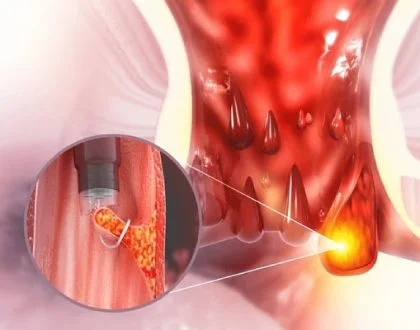
Laser Piles Treatment in Kukatpally, Hyderabad is a contemporary, less invasive remedy that helps patients get relief from painful hemorrhoids. Piles or hemorrhoids are inflamed blood vessels in the anal and rectal area that bring a great deal of pain. The inflamed veins can lead to symptoms like pain, itching, bleeding, and swelling that impact one’s lifestyle enormously. With advanced laser technology now available at Laserqure, patients can experience faster healing, minimal pain, and quicker recovery compared to traditional surgical methods.
Piles Doctor in Kukatpally, Hyderabad
If you’re searching for an experienced Piles Doctor in Kukatpally, Hyderabad, Dr. Rambhupal Rao at Laserqure is a trusted expert known for his precision and patient-centric approach. He specializes in performing advanced laser piles treatments that ensure minimal bleeding, reduced post-operative pain, and long-lasting relief. In his treatment, patients are given a detailed diagnosis, customized treatment plan, and ongoing post-surgery care for maximum recovery. With Dr. Rambhupal Rao’s skills and Laserqure’s advanced facilities, patients can get comfort and confidence back with a safe and efficient piles treatment solution.
Understanding Piles
Piles can be divided into two types:
• Internal Piles: They form within the rectum and are usually painless but can lead to bleeding.
• External Piles: These are found close to the anus and may cause pain, particularly on passing stools.
Unless treated, piles would lead to serious complications, impacting one’s lifestyle and health. The contemporary method of Laser Piles Treatment in Hyderabad has made recovery much easier, providing a small-scale, non-surgical solution for internal and external piles.
Why Choose Laser Piles Treatment
Laser piles treatment is a painless procedure that yields great relief from painful and uncomfortable symptoms of piles. In contrast to surgery, it does not demand lengthy recovery times or complex aftercare. The procedure is fast, safe, and exceptionally effective, with patients able to return to normal after the procedure, almost instantly.
The Benefits of Laser Piles Treatment
• Painless procedure: Laser treatment is almost painless, avoiding the possibility of long hospital stays or post-operative pain relief.
• Short recovery time: The majority of patients can return to work within a day or two.
• No scars: Since the procedure is minimally invasive, there are no scars or wounds.
• Rapid results: Patients gain quick relief from symptoms such as bleeding, pain, and swelling.
• One-stop care: We provide complete care for piles, from consultation to laser treatment to post-treatment care.
Types of Piles
It is important to know the various kinds of piles so that you can diagnose your condition and select the best course of treatment. Piles or hemorrhoids are inflamed veins in the rectum and anus area that may produce pain, irritation, and bleeding. Although the ailment is prevalent, numerous individuals do not seek attention because they feel embarrassed or uninformed. It can make a huge difference in your recuperation process to know if you are suffering from internal, external, or prolapsed hemorrhoids.
1. Internal Piles
Internal piles are formed within the rectum and are not usually visible outside. As they are in an area with lesser pain-sensitive nerves, they are typically pain-free in the beginning. Painless rectal bleeding after or during bowel movements is the most common symptom of internal piles, appearing as streaks of bright red blood on toilet paper or in the stool. Internal piles are graded into four categories based on severity:
• Grade I: The piles are small and do not prolapse outside the rectum.
• Grade II: The piles might prolapse when passing stools but spontaneously retract.
• Grade III: The piles prolapse and need to be pushed back into the rectum manually.
• Grade IV: The piles persistently prolapse outside the anus and can become painful or thrombosed.
When the internal piles reach Grade III or IV, they cause discomfort, mucus discharge, and a permanent feeling of fullness in the rectum. If not treated, they tend to increase over time, leading to a lot of pain and infection. We, at Laserqure, employ advanced laser piles treatment in Hyderabad to shrink or remove internal hemorrhoids with minimal bleeding and quicker recovery than surgery.
2. External Piles
External piles form below the skin around the anus and can be seen with the naked eye. As opposed to internal piles, they are in a more sensitive region filled with nerve endings, making them more painful and irritating. Some of the common symptoms of external piles are:
• Tactile pain or discomfort during sitting or defecation
• Inflammation and swelling around the anus
• Irritation and itching because of mucus secretion
• Hard nodules around the anal opening
In extreme cases, the external hemorrhoid can have a blood clot (thrombosis), causing severe pain and swelling. Thrombosed piles are dark blue or purple-colored lumps and might need immediate medical attention. Laserqure’s professional services, under the leadership of Dr. Rambhupal Rao, one of the Top Piles Specialists in Hyderabad, avail laser piles treatment that is instant in providing symptom relief, has little discomfort, and leaves no scars.
3. Prolapsed Hemorrhoids
Prolapsed hemorrhoids are when internal piles protrude the anus opening and become visible outside. They are normally due to chronic strain at stool or chronic constipation. Prolapsed piles will induce pain, itching, and low hygiene. Depending on the degree of severity, a prolapsed pile can reduce spontaneously (Grade II), needs to be pushed manually (Grade III), or stays permanently out of the anus (Grade IV). In later stages, they can cause complications such as:
• Infection: From bacterial growth in the protruding tissues.
• Strangulation: When blood supply to the prolapsed tissue is cut off.
• Thrombosis: Development of clots in the hemorrhoidal tissue.
Laserqure provides laser treatment of prolapsed piles in Hyderabad, which selectively targets and closes the haemorrhaging blood vessels without cutting or stitches. It is a safe, non-surgical method that helps heal faster with less downtime.
What Are Some Common Symptoms of Piles?
Piles may progress slowly, and their symptoms depend on the severity and nature of the condition. Early identification is important to avoid complications and quicken recovery. Most people neglect minor symptoms and wait for them to intensify before seeking medical care, resulting in more pain and discomfort. If you are having any one of the following symptoms, it is recommended that you visit a Piles Doctor in Hyderabad at Laserqure to get the correct diagnosis and suitable treatment.
1. Bleeding
Bleeding while or after passing stools is the most frequent and apparent symptom of piles. The blood is typically bright red and painless in internal piles. Continuous bleeding, however, should not be ignored since it may be a sign of advanced hemorrhoids or other conditions in the rectum.
2. Pain and Discomfort
Pain is usually related to external piles or thrombosed piles. It can be described as sharp or burning, usually when sitting or passing stool. Severe pain suggests infection, clotting, or prolapse that should be treated urgently.
3. Itching and Irritation
The anal skin may itch or become inflamed as a result of mucus discharge from piles. Itching tends to be long-standing, and scratching exacerbates the irritation and raises the risk of secondary infection.
4. Lumps Near the Anus
External piles or prolapsed internal piles present as small, painful lumps close to the anal opening. The lumps can swell or become hard, particularly after straining or sitting for long periods.
5. Swelling
Swelling around the anus results from inflamed blood vessels. It can be painful when sitting or walking and may become worse after a bowel movement.
6. Mucus Discharge
A few people have a sticky or slimy discharge from their anus, which leads to skin irritation and hygiene problems. Mucus discharge is frequently linked with prolapsed piles.
7. Sensation of Fullness
A frequent symptom of internal hemorrhoids includes the feeling of not being able to empty the bowel despite defecation. This is due to swelling and protrusion of the hemorrhoidal tissue within the rectum.
8. Thrombosis or Clotting
Blood clotting within a hemorrhoid leads to severe pain, swelling, and color change. Thrombosed piles are an emergency and may require urgent laser treatment.
9. Leakage in the Anal Canal
In advanced stages, patients can have minimal leakage of stool due to loss of control because of prolapsed piles or weak anal muscles.
10. Anemia
Untreated piles can cause chronic blood loss resulting in iron deficiency anemia, which is represented by weakness, fatigue, and pallor. Early treatment is necessary to avoid complications. If you are experiencing mild discomfort or prolapsed hemorrhoids, the specialists at Laserqure, the Best Laser Piles Hospital in Hyderabad, are here to assist you in getting back your pain-free life.
What Is the Main Cause of Piles?
The main reason piles occur is because of increased pressure in the veins of the rectum and anus. Various factors lead to the accumulation of pressure, causing inflamed veins and hemorrhoids.
Key Causes Are:
• Chronic Constipation: Straining during bowel movements places too much pressure on the veins.
• Diarrhea: Recurrent bowel movements may cause inflammation of the veins of the rectum.
• Pregnancy: The weight of the enlarged uterus can put pressure on the pelvic veins, causing piles.
• Obesity: Excess weight, particularly belly fat, can put pressure on the anal area.
• Lifting Heavy Objects: Heavy lifting puts intra-abdominal pressure on the system, causing piles.
• Sedentary Lifestyle: Sitting or standing for long periods can lead to increased pressure on the rectal veins.
• Genes: Some people are genetically predisposed to get piles.
At Laserqure, we focus on lifestyle modification and dietetic improvement alongside Laser Piles Treatment to prevent the reappearance of piles.
What Are the Complications of Hemorrhoids?
Piles can be considered a minor ailment, but untreated or inadequately treated piles can cause serious complications. Knowing about the risks enables you to take an informed decision regarding treatment.
Complications of Untreated Piles Include:
• Severe Bleeding: The chronic bleeding may result in anemia.
• Strangulated Hemorrhoid: When the blood supply is blocked to a hemorrhoid, a strangulated hemorrhoid results, causing severe pain and possible infection.
• Fecal Incontinence: In extreme situations, piles cause damage to the sphincter muscles, and one loses control of bowel movements.
• Anal Fistula: A fistula could form if the piles get infected and open an abnormal passage between the anal canal and the skin.
• Infection: If a hemorrhoid ruptures or becomes clotted, it might cause a severe infection.
Laserqure offers extensive patient guidance and support to ensure appropriate management and treatment of piles, avoiding any risk of complication.
What Are the Grades of Piles?
Piles are classified into various grades based on their severity. Recognizing the various grades will assist in identifying the appropriate treatment. Grading varies from mild (Grade I) to advanced, severe cases (Grade IV). Below is a detailed explanation of each grade:
Grade I Piles:
Grade I piles are the least severe type of hemorrhoids. These are small internal piles that usually reside inside the rectum. Though they might be a source of occasional discomfort or bleeding, they usually do not prolapse (protrude out of the anus). The symptoms may include slight bleeding during defecation and negligible itching around the anus. Grade I piles are often treated with diet modification, drugs, and conservative management.
Grade II Piles:
Grade II piles are bigger than Grade I and tend to protrude outside the anal canal during defecation. However, they spontaneously reduce back to the anus as soon as the strain is removed. Though painful, they can be treated without surgery with non-surgical treatments such as laser or banding. Bleeding and pain are evident at this level.
Grade III Piles:
Grade III piles extend out of the anus and need to be manually re-inserted following bowel movements. They are typically more painful and much larger in size compared to Grade II piles. Surgery or laser piles treatment is now required, as the hemorrhoids are harder to treat at this level. Significant discomfort, bleeding, and itching are common symptoms in patients.
Grade IV Piles:
Grade IV piles are the most serious type of hemorrhoids. Grade IV piles are permanently prolapsed and cannot be pushed back into the anus. They lead to excruciating pain, recurrent bleeding, and can give rise to complications such as thrombosis (blood clots) or infection. Grade IV piles need urgent medical care, and laser surgery is usually the procedure to shrink or remove the hemorrhoids.
Laserqure’s Laser Piles Treatment in Kukatpally, Hyderabad is a perfect solution for all grades of piles. Our expert piles doctor in Hyderabad, Dr. Rambhupal Rao, is well-equipped to treat even the most complex cases with utmost precision and expertise.
How Are Piles Diagnosed?
Proper diagnosis is important for establishing the severity of piles and most suitable treatment options. At Laserqure, we make use of advanced diagnostic measures in order to evaluate your condition comprehensively.
1. Physical Examination
Physical examination is the initial process in diagnosing piles. The doctor will examine the anal and rectal region while on examination to look for indications of hemorrhoids such as swelling, lumps, or skin tags.
2. Digital Rectal Examination (DRE)
A Digital Rectal Examination (DRE) can be done to examine for internal piles. The physician will place a lubricated, gloved finger into the rectum in order to check for swelling or tenderness. This is an easy method that identifies internal hemorrhoids, although it might not identify all instances.
3. Anoscopy
An anoscope is a thin tube with a light on the end that is put into the anus to give a good view of the rectum and lower colon. It enables the physician to look for the presence of hemorrhoids or other abnormalities in the area. Anoscopy is usually performed if internal piles are suspected.
4. Sigmoidoscopy
In other instances, your doctor might suggest sigmoidoscopy, a more detailed test that looks at the lower segment of the colon. It identifies internal hemorrhoids, in addition to other possible problems like colorectal cancer, which could have identical symptoms as hemorrhoids.
5. Colonoscopy
For individuals with a history of colon cancer in their family or those with other risk factors, a colonoscopy can be recommended. This test enables the physician to look for any evidence of disease throughout the entire colon. Although not always used for diagnosing piles, it’s useful when the underlying reason for symptoms cannot be determined.
Questions to Ask While Diagnosing Piles
During your appointment with a Hyderabad piles doctor, it’s essential to pose the correct questions so you have a clear idea about your diagnosis, treatment, and recovery process. Posing these questions will enable you to make informed choices and feel good about your care plan.
1. What Kind of Piles Do I Have?
Understanding whether you have internal or external piles is important in deciding the appropriate treatment. Internal piles tend to cause painless bleeding, whereas external piles tend to be painful and swollen. This understanding assists in adjusting your treatment accordingly.
2. What Is the Severity of My Condition?
Piles are graded according to severity—from mild swelling to prolapsed hemorrhoids. Your physician can advise you on which grade you are in, so that you may discuss the most appropriate and effective treatments.
3. Are There Any Underlying Conditions Contributing to My Piles?
Conditions such as chronic constipation, obesity, pregnancy, or frequent sitting can exacerbate or cause piles. Knowing these causes enables you and your physician to treat them, thus preventing recurrence and enhancing your general digestive health.
4. What Are My Treatment Choices?
Knowing all the options—ranging from medications and dietary modifications to laser piles treatment and surgery—will enable you to select the most comfortable and long-term solution. Laserqure specializes in minimally invasive laser treatments that offer instant and long-lasting relief.
5. How Long Does Recovery Take for My Treatment?
Recovery time varies with the severity and type of piles and the treatment procedure used. Piles surgery using laser usually lets you get back to normal in 24–48 hours. Never forget to inquire about post-procedure treatment and recovery milestones from your doctor.
6. How Do I Prevent Piles from Returning?
Your physician will recommend preventive measures such as eating a high-fiber diet, drinking fluids to stay hydrated, regular exercise, and avoiding long periods of sitting or straining during bowel movement. These lifestyle modifications can greatly decrease the chances of recurrence.
7. Will I Need Surgery?
In later stages or if conservative treatments don’t work, surgical or laser treatments may be advised. Laser pile surgery is a painless, bloodless, and speedy alternative to traditional surgery, with quicker recovery and less time off work.
8. What Are the Possible Complications If Left Untreated?
Untreated piles may result in chronic pain, profuse bleeding, anemia, and infection. By inquiring about this, you know the importance of early treatment and the advantages of early intervention.
9. How Do I Prepare for My Treatment?
Your physician will advise you on how to prepare for piles treatment, e.g., dietary modifications, fasting (if required), and precautions before surgery. Preparation guarantees a smooth process and quicker recovery.
10. Are Laser Treatments Safe and Effective for All Stages of Piles?
Laser treatment is safe, less painful, and appropriate for the majority of piles grades. Nevertheless, your physician will evaluate your situation to determine if it’s the most appropriate option for your individual case.
At Laserqure, we offer one-on-one consultations to meet all your concerns and queries. Our highly qualified piles specialists in Hyderabad, Dr. Rambhupal Rao, provide complete counseling, the latest treatments, and continuous follow-up care for a safe and permanent cure.
1. Home Remedies & Medication
For patients with early-stage or mild piles, home treatment and drugs can be used to control symptoms and avoid the worsening of piles. These treatments, however, only provide temporary relief and are not a cure. Following are some effective methods to treat mild piles at home:
• Dietary Changes:
Add more fiber-containing foods like whole grains, fruits, and vegetables. A high-fiber diet makes stools softer, less constipated, and easier to pass. Drinking lots of water throughout the day also avoids dehydration and straining.
• Over-the-Counter Medications:
Creams, ointments, or suppositories can relieve itching, burning, and irritation. Over-the-counter medications relieve symptoms but do not cure piles.
• Pain Relievers:
Over-the-counter pain medications like ibuprofen or acetaminophen may temporarily relieve pain and inflammation of piles. Though such measures can control pain, they do not cure piles. For permanent relief, one must see a specialist for correct diagnosis and advanced treatment. At Laserqure, we suggest laser piles treatment to patients with recurrent or serious symptoms since it is an instant, safe, and permanent solution.
2. Laser Piles Treatment
Laser piles treatment is a new, non-surgical technique that provides a quick and painless solution for all grades of piles. This cutting-edge treatment applies concentrated laser energy to reduce the inflamed blood vessels or seal them off, which eliminates bleeding and swelling instantly.
Advantages of laser piles treatment are:
• Painless Procedure: No cuts, stitches, or open wounds.
• Rapid Recovery: The patient can go home on the same day and lead regular activities in 24–48 hours.
• Less Blood Loss: Laser precision maintains less blood loss during surgery.
• Reduced Infection Risk: As there are no open wounds, infection risk is low.
• Long-Term Relief: Laser therapy addresses the root cause of the problem, guaranteeing long-term results and low recurrence.
At Laserqure, procedures are done by Dr. Rambhupal Rao, one of the Best Piles Specialists in Kukatpally, Hyderabad, to ensure safe, accurate, and successful results. Our experts employ the latest laser technology to render the treatment totally pain-free and comfortable for patients.
3. Non-Laser Treatments
Aside from laser therapy, a number of non-laser treatments are available for the management of mild to moderate piles. These are less destructive than conventional surgery and are recommended depending on the condition and symptoms of the patient.
Some common non-laser treatments are:
• A rubber band is used at the base of the pile to occlude its blood supply, making it shrink and fall off on its own.
• Sclerotherapy:
A chemical solution is infused in the pile to shrink it and alleviate symptoms.
• Infrared Coagulation (IRC):
A technique that employs infrared light to block the flow of blood to hemorrhoids, causing them to vanish over time.
Although these procedures work well for mild piles, laser therapy is still the most advanced and trustworthy method for those who require less recovery time and less pain.
Difference Between Non-Laser and Laser Piles Treatments
It is important to understand the distinction between laser and non-laser piles treatments when deciding which treatment to choose. Here are the main differences broken down:
Non-Laser Treatments:
• Invasive: Includes cutting, suturing, or injecting drugs.
• Longer Recovery: A hospital stay may be needed, followed by weeks to recover.
• More Painful: Substantial post-procedure pain and discomfort can be involved.
• Higher Risk of Recurrence: The recurrence rate of non-laser treatments could be higher.
Laser Piles Treatment:
• Minimally Invasive: Does not involve cutting or stitching, utilizing laser beams to treat the area.
• Quick Recovery: The majority of patients recover within a day or two.
• Painless: Laser treatment is almost painless, providing immediate relief from symptoms.
• No Recurrence: Laser treatment has minimal recurrence, providing a long-lasting solution.
Laserqure prioritizes delivering the most advanced and effective Laser Piles Treatment in Hyderabad, providing a pain-free experience with quick recovery.
Frequently Asked Questions (FAQs)
1. How do I eliminate piles?
The most efficient and long-term treatment is laser piles surgery.
2. Are piles risky?
Yes, if left untreated, piles can bleed, get worse with time, and can even become fatal.
3. What to avoid while having piles?
Avoid oily, spicy, and processed food; take lots of water and fiber-based meals.
4. How long do piles last?
Piles can be for years if left untreated, leading to pain and discomfort later on.
5. How to cure piles quickly?
Laser surgery, fiber diet, and change in healthy lifestyle aid in quicker recovery.
6. How many days does it take to get better from piles?
The majority of patients recover in 1–2 days of laser surgery and can go back to normal work.
7. Who are more prone to piles?
Individuals with constipation, low fiber diet, obesity, or sedentary lifestyle are prone.
8. What are piles (hemorrhoids)?
Piles are enlarged or bulging blood vessels inside the rectum or anal canal.
9. How are internal and external piles different?
Internal piles develop inside the anal canal; external piles occur around its outside rim.
10. Can I cure piles without an operation?
There is no cure without an op; laser treatment provides rapid, permanent relief.
Why Should You Choose Laserqure for Piles Treatment?
At Laserqure, we strive to deliver the best quality care and state-of-the-art Laser Piles Treatment in Hyderabad. Here’s why you must come to us for your piles treatment:
1. Expert Care by Dr. Rambhupal Rao
Dr. Rambhupal Rao is well-experienced piles specialist in Hyderabad with the latest laser treatment for piles. Being experienced in this field for years, he provides individualized care and uses the best treatment methods for every patient.
2. Cashless Insurance for Convenient Access
We realize medical costs can be an issue. That is why Laserqure provides cashless insurance for Laser Piles Treatment in Hyderabad, so treatment is easy and worry-free.
3. 0% EMI Facilities for Financial Flexibility
Here at Laserqure, we feel that healthcare must be affordable. We offer 0% EMI facilities, so you can have your treatment paid for in convenient, easy installments.
4. Pain-Free and Quick Recovery Procedures
Our Laser Piles Treatment is painless and minimally invasive, with little down time, so you can get back to everyday life in a day or two.
5. Extensive Patient Care
We care about your comfort and well-being. We take care of you from pre-treatment counseling to after-care treatment, providing excellent patient care to make the experience a stress-free one.
6. Latest Technology
At Laserqure, we utilize the newest laser technology to treat piles with the most accurate, effective, and least invasive treatment. Our method guarantees rapid recovery, less pain, and long-term results.
Contact Us Today
If you are having trouble with piles or think you might have this condition, wait no longer. Laserqure provides state-of-the-art, painless Laser Piles Treatment in Hyderabad with rapid recovery. Get on the road to a healthier, more comfortable you.
Conclusion
We at Laserqure are committed to delivering the highest quality care for individuals with piles. Through the expertise of Dr. Rambhupal Rao and the latest in laser technology, we guarantee that your Laser Piles Treatment is effective, quick, and comfortable. From diagnosis to follow-up support, we stand by your side every step of the way. Don’t let piles take over your life. Book your appointment now and regain your pain-free life!