



Best Anal Fistula Hospital in Hyderabad
Best Anal Fistula Hospital in Kukatpally, Hyderabad If you have an anal fistula, you should seek professional treatment to avoid complications. The Best Anal Fistula Hospital in Kukatpally, Hyderabad provides comprehensive care using advanced treatments such as laser surgery and minimally invasive procedures. An anal fistula is not only painful but can also disrupt daily life. Our hospital provides expert diagnostics and personalised treatment programs to ensure a smooth and speedy recovery. Our experienced surgeons and medical staff are committed to delivering the highest standard of care. From simple diagnostic tests to complex surgeries, we provide a complete range of services to address all your anal health concerns, focusing on effective, pain-free treatments and long-term relief.
Anal Fistula Surgeon in Kukatpally, Hyderabad
When seeking an Anal Fistula Surgeon in Kukatpally, Hyderabad, it’s essential to choose a skilled and experienced professional who can accurately diagnose and treat your condition. At our hospital, we are proud of Dr. Rambhupal Rao, a leading proctologist with years of expertise in treating anal fistulas and other anorectal disorders. Dr. Rambhupal Rao uses the latest techniques, including laser-assisted surgeries, to provide minimally invasive treatments that are both effective and painless. Whether you are dealing with a simple fistula or a more complex case, you can trust our team to provide top-notch care. We aim to not only relieve your symptoms but also to provide lasting results that enhance your quality of life. Our surgeons take a personalized approach, ensuring that every patient receives a treatment plan tailored to their specific condition, promoting the best possible outcomes.
Start your Anal Fistula Pain Relief Process
Understanding Anal Fistula – Causes, Symptoms & Risks
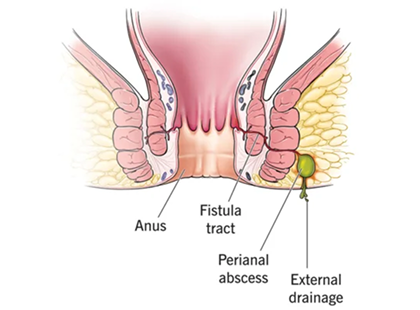
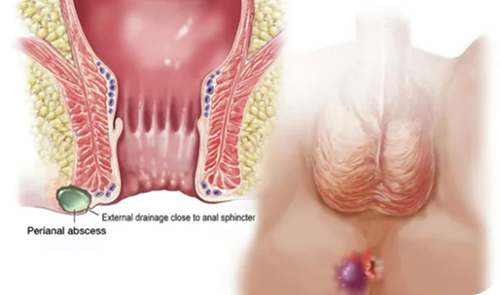
An anal fistula is a small tunnel that develops between the anal canal and the skin around the anus, often resulting from an untreated anal abscess. This condition can cause chronic pain, swelling, and discharge, which may worsen over time if not treated. The fistula may become infected or develop into a complex condition, requiring specialized treatment. Common symptoms include pus or blood discharge, itching, and swelling around the anus. If left untreated, an anal fistula can lead to further complications, such as recurrent infections and damage to the surrounding tissue. Early diagnosis and treatment are essential to prevent these risks and provide patients with the best opportunity for recovery.
Causes of Anal Fistula
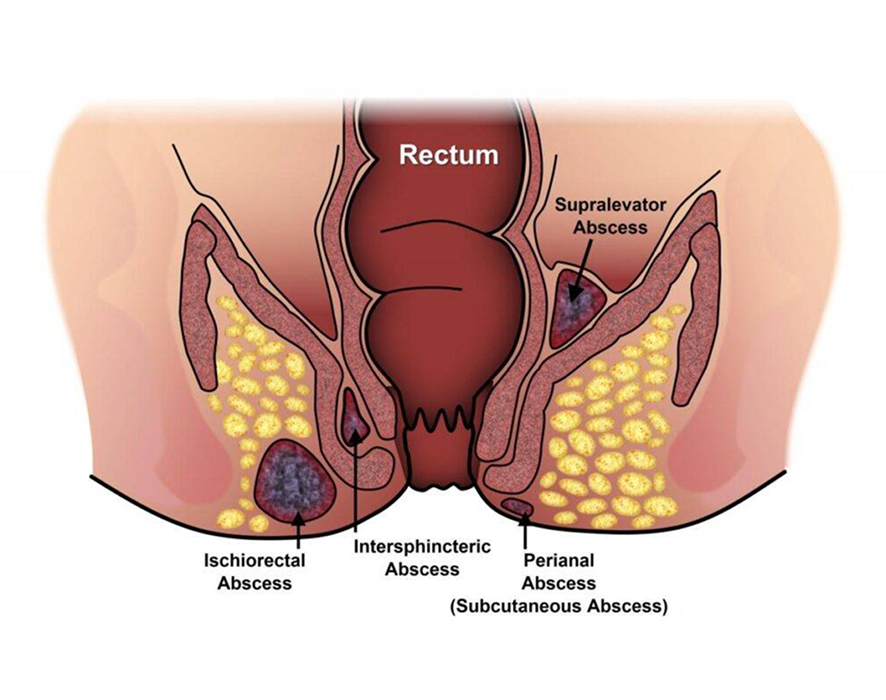
An anal fistula is primarily caused by an untreated anal abscess, which occurs when an infection near the anus fails to heal completely. The abscess forms a tunnel, connecting the infected area to the skin around the anus. Other causes of anal fistula include:
- Chronic Bowel Conditions: Diseases like Crohn’s disease can cause inflammation in the anal region, leading to fistula formation.
- Infections: Tuberculosis or sexually transmitted infections can sometimes lead to anal fistulas.
- Surgical Complications: Previous surgeries near the anus may cause fistulas due to injury or infection.
- Trauma: Injuries to the anal glands or surrounding tissues can lead to the development of a fistula.
Understanding the underlying cause is crucial for determining the appropriate treatment and ensuring effective healing.
Anal Fistula Symptoms
The symptoms of an anal fistula can vary depending on the severity and complexity of the condition. The most common symptoms include:
- Pain and Swelling: Persistent pain or swelling around the anus, especially during sitting or bowel movements.
- Discharge of Pus or Blood: A small opening near the anus may discharge pus or blood.
- Recurrent Abscesses: Repeated formation of abscesses in the anal area.
- Itching or Irritation: Itching or irritation near the anus.
- Fever and Fatigue: In some cases, an infection may lead to fever, fatigue, and general discomfort.
If you experience any of these symptoms, it’s essential to consult a proctologist immediately to prevent further complications and get timely treatment.
Why Treatment for Anal Fistula is Important
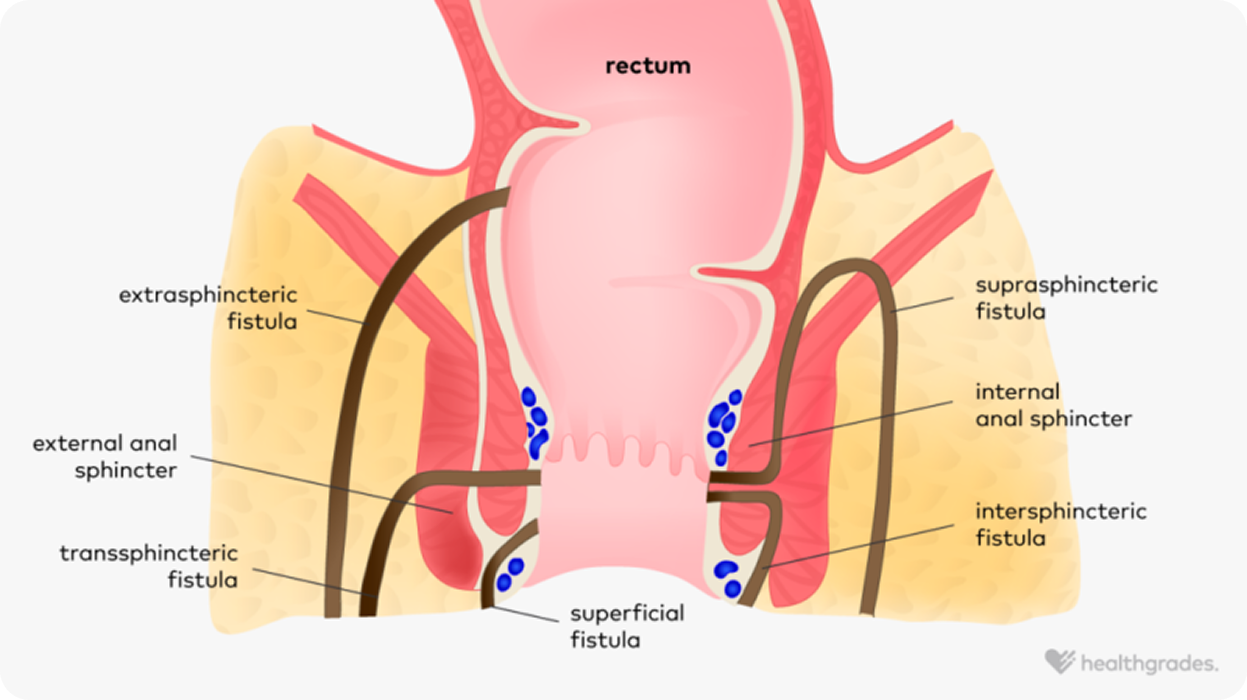
Anal fistulas, if left untreated, can lead to serious medical complications, including recurrent infections, abscesses, and long-term tissue damage. The fistula tract can deepen and spread into surrounding tissues, resulting in more severe health issues. Here’s why it’s essential to seek treatment early:
1. Preventing Chronic Infection: If the fistula is not treated, it can lead to chronic bacterial infections that may affect nearby organs, including the pelvic region. This can result in abscess formation and even sepsis in severe cases.
2. Avoiding Complications: Untreated fistulas can progress into complex fistulas with multiple tracts, making them harder to treat. This increases the risk of incontinence and requires more extensive surgical interventions.
3. Restoring Quality of Life: The pain, discharge, and discomfort associated with anal fistulas can significantly affect your quality of life. Treatment can help you regain your comfort, allowing you to resume normal activities, including work and social interactions.
4. Minimizing Risk of Recurrence: Early intervention can reduce the likelihood of fistula recurrence, providing long-term relief.
5. Avoiding Scarring and Tissue Damage: Delaying treatment can lead to more extensive tissue damage, which may result in permanent scarring and loss of anal muscle function. This can cause incontinence and further complications.
At our hospital, we offer advanced treatments, such as laser-assisted surgery, which provide a quick, effective solution with minimal pain and reduced risk of recurrence. Our focus is to provide each patient with personalized care and the most effective treatments available.
Why Trust Laserqure for Anal Fistula Surgery in Hyderabad
Laserqure is recognized as one of the leading destinations for anal fistula surgery in Hyderabad. Here’s why patients trust us with their care:
1. Expert Surgeons: Our team is led by Dr. Rambhupal Rao, a highly experienced proctologist with expertise in minimally invasive surgery.
2. State-of-the-Art Technology: We use the latest laser technology to treat anal fistulas effectively with minimal pain and faster recovery.
3. Personalized Care: Each patient receives a customized treatment plan tailored to their specific needs.
4. Patient-Centered Approach: We ensure that every patient receives compassionate care from consultation through recovery.
Advantages of Anal Fistula Procedure in Hyderabad at Laserqure
1. No Pain and No Stitches: Our laser procedure is stitch-free, making the treatment less painful and reducing the risk of infection.
2. Faster Recovery: With no open wounds, patients recover quickly and can resume normal activities within days.
3. Minimal Risk of Recurrence: Laser treatment ensures precise closure of the fistula tract, reducing the chances of recurrence.
4. Cost-Effective: We offer affordable treatment options with insurance support and 0% EMI plans.
5. Daycare Procedure: The procedure is performed on an outpatient basis, meaning patients go home the same day.
Step-by-Step Process of Anal Fistula Treatment in Hyderabad
At our hospital, we follow a comprehensive, patient-centered approach to treat anal fistulas. This process ensures that every patient receives the best care, from diagnosis to recovery. Our goal is to provide you with the most effective and minimally invasive treatment, leading to a quick recovery and long-lasting results.
Step 1: Detailed Consultation & Diagnosis
The first step in your treatment journey is a thorough consultation with one of our experienced proctologists, led by Dr. Rambhupal Rao, a specialist in anal fistulas. During this consultation, we assess your symptoms, review your medical history, and conduct a physical examination. If necessary, we may perform additional diagnostic tests to understand the complexity of your condition.
- Physical Examination: The doctor examines the anal region for any external openings or signs of infection.
- Anoscope: A minimally invasive procedure to inspect the anal canal and identify the internal opening of the fistula.
- MRI Fistulography: In more complex cases, we use MRI scans to visualize the entire fistula tract, which helps us understand its path and design a targeted treatment plan.
- Proctoscopy: An endoscopic procedure that provides a clear view of the fistula’s internal structure.
This comprehensive diagnostic process ensures that we understand the nature of the fistula, which is critical for selecting the most appropriate treatment option.
Step 2: Preoperative Preparation
Once the diagnosis is confirmed, we guide you through the preoperative process. This phase ensures that you are physically and emotionally prepared for the surgery.
- Medical Tests: You may be asked to undergo routine tests such as blood work, ECG, and others to evaluate your overall health and suitability for surgery.
- Dietary Instructions: We provide specific dietary recommendations to ensure your body is well-prepared for the surgery, including avoiding heavy meals and ensuring proper hydration.
- Pre-Surgery Counseling: Our care team will discuss the surgical procedure in detail, address any concerns, and answer any questions you may have about the treatment process.
- Insurance and EMI Options: Our team helps you with the necessary paperwork for insurance claims, and we also offer 0% EMI options to make the treatment affordable.
Step 3: Laser Fistula Closure Procedure (FiLaC)
On the day of surgery, the procedure begins with local anesthesia or spinal anesthesia to ensure that you remain pain-free throughout the surgery. The laser fistula closure procedure, known as FiLaC (Fistula Laser Closure), is minimally invasive and takes approximately 20-30 minutes.
- Laser Probe Insertion: A thin laser fiber is inserted through the external opening of the fistula tract.
- Laser Treatment: The laser energy is precisely applied along the tract, eliminating the infected tissue and sealing the fistula completely. This method ensures minimal damage to surrounding tissues and muscles, reducing pain and the risk of complications.
- Sealing the Internal Opening: The internal opening of the fistula is carefully closed using the laser, which helps prevent further infection and recurrence.
This procedure is highly effective, offering a pain-free experience with no need for stitches or incisions.
Step 4: Post-Operative Care & Discharge
After the laser treatment, patients are monitored for 1-2 hours and discharged on the same day. Although the procedure is minimally invasive, proper post-operative care is essential for optimal recovery.
- Pain Management: Any mild discomfort can be easily managed with medication prescribed by our doctors.
- Wound Care: We provide specific instructions for maintaining hygiene around the surgical site to avoid infections.
- Dietary Recommendations: High-fiber foods and plenty of fluids are recommended to ensure smooth bowel movements and reduce the risk of strain during recovery.
- Follow-Up Appointments: We schedule regular follow-ups to monitor your recovery progress and ensure there are no complications.
Most patients feel significantly better within 2-3 days and can resume light activities. Full recovery typically occurs within 7-10 days.
Step 5: Post-Surgery Recovery & Lifestyle Support
Our care doesn’t end with surgery. We are committed to providing ongoing support to ensure you recover fully and prevent future issues.
- Dietary Advice: We recommend a diet rich in fiber, including fruits, vegetables, and whole grains, to prevent constipation and ensure smooth bowel movements.
- Exercise and Physical Activity: Gentle exercise, such as walking, is encouraged to improve circulation and overall health. Avoid heavy lifting and intense activity for a few weeks after the surgery.
- Mental Health Support: Dealing with anal fistulas can be emotionally challenging. Our team provides counseling and emotional support to help you through the recovery process.
By following our comprehensive recovery plan, patients can expect a smooth healing process and a significant improvement in their quality of life.
Step-by-Step Process of Anal Fistula Treatment in Hyderabad
After undergoing anal fistula surgery, especially when treated with advanced techniques like laser therapy, proper post-treatment care and lifestyle changes are critical for ensuring complete recovery and preventing recurrence. At our hospital, we not only focus on the immediate treatment but also provide comprehensive post-surgery care and advice on lifestyle modifications to promote long-term healing and wellness. Here’s a detailed guide to help you manage your recovery effectively:
1. Dietary Recommendations
Diet plays a pivotal role in your recovery process, especially after anal fistula surgery. Maintaining a healthy diet is crucial for preventing constipation, which can strain the surgical site and cause discomfort. Here are key dietary guidelines to follow:
- High-Fiber Foods: A diet rich in fiber helps in softening stools, making bowel movements easier and less painful. Include foods like:
1. Whole grains (brown rice, oats, barley)
2. Leafy vegetables (spinach, kale)
3. Fruits like apples, bananas, and papayas
4. Legumes (lentils, beans) and nuts
- Stay Hydrated: Drink plenty of fluids throughout the day, especially water, to keep your stool soft and aid digestion. Aim for at least 8-10 glasses of water each day.
- Avoid Spicy or Irritating Foods: Spicy, oily, and processed foods can irritate the digestive system and the anal region. It’s best to avoid these during your recovery period to prevent unnecessary discomfort.
- Smaller, Frequent Meals: Eating smaller meals more frequently can help ease digestion and prevent bloating or discomfort.
2. Hygiene Practices
Maintaining proper hygiene around the surgical site is crucial to prevent infection and promote healing. Here are the key hygiene practices to follow post-surgery:
- Gentle Cleaning: Use warm water and mild, unscented soap to gently clean the anal area. Avoid using harsh soaps, perfumes, or antibacterial products as they can irritate the skin.
You may also use moist wipes instead of toilet paper, which can be rough on the healing area.
- Sitz Baths: Taking warm sitz baths (sitting in a tub of warm water) for 15-20 minutes can help soothe the area, promote blood flow, and reduce swelling and discomfort. Repeat this 2-3 times each day, particularly after bowel movements.
- Pat Dry, Don’t Wipe: After cleaning, gently pat the area dry with a soft towel or tissue. Avoid rubbing or wiping, which can cause irritation and disrupt the healing process.
- Avoid Scratching: The healing process may cause some itching, but scratching should be avoided as it can lead to infection or delay the healing process.
- Wear Loose, Comfortable Clothing: Tight clothing, especially around the waist or anal region, can cause friction and irritation. Wear loose, breathable fabrics to ensure comfort during the recovery period.
3. Managing Pain and Discomfort
While laser anal fistula surgery is minimally invasive and typically results in less pain compared to traditional surgery, some discomfort may still occur, especially in the first few days after surgery. Managing this pain effectively is key to a smooth recovery.
- Pain Medications: Your doctor will prescribe pain relief medications to keep you comfortable during the recovery period. Take the medications as directed, especially in the first 48-72 hours, when you may experience mild discomfort.
- Cold Compress: Applying a cold compress or ice pack (wrapped in a cloth) to the anal area for 15-20 minutes can help reduce swelling and numb any discomfort. Avoid placing ice directly on the skin.
- Over-the-Counter Pain Relief: If the prescribed medications are not sufficient, you may consult with your doctor about over-the-counter options like acetaminophen (Tylenol) or ibuprofen for additional relief.
4. Physical Activity and Exercise
Rest and recovery are essential after surgery, but staying active within the limits of your comfort can also promote healing. However, there are certain restrictions that need to be followed in the initial stages after surgery:
- Avoid Strenuous Exercise: Avoid heavy lifting, running, or any activity that may strain the anal region or pelvic area for at least 2-4 weeks. Straining can increase the risk of complications, including reopening of the fistula or the development of new fistulas.
- Gentle Walking: Light walking is encouraged after the first few days to improve circulation and prevent constipation. Begin with short walks, gradually increasing the distance as you get more comfortable.
- Pelvic Exercises: Once the initial healing has occurred (usually after 1-2 weeks), pelvic floor exercises (like Kegel exercises) can be beneficial in promoting muscle strength and improving bowel control. However, always consult with your doctor before starting any exercise program.
5. Preventing Constipation
Straining during bowel movements can put pressure on the surgical site and delay healing. To avoid constipation and make bowel movements easier, consider the following:
- Fiber Supplements: If you’re not able to get enough fiber from your diet, your doctor may recommend fiber supplements such as psyllium husk (Metamucil). These can help add bulk to your stool and make it easier to pass.
- Stool Softeners: Your doctor may also prescribe stool softeners to help prevent hard stools, which can cause straining during bowel movements.
- Avoid Holding Bowel Movements: Try not to delay or hold in bowel movements, as this can increase the pressure on your rectal area and make bowel movements more difficult.
- Use a Stool for Posture: Placing a small stool under your feet while sitting on the toilet can help you adopt a squatting posture, which reduces strain during bowel movements and allows for smoother elimination.
6. Mental Health and Emotional Support
Recovery from anal fistula surgery can also be mentally challenging, as many patients feel embarrassed or anxious about their condition. It’s important to address these concerns and focus on your emotional well-being:
- Counseling and Support: Don’t hesitate to seek emotional support if you feel overwhelmed or anxious. Talking to a counselor or a trusted friend or family member can help ease any emotional discomfort.
- Patient Reassurance: At our hospital, we provide one-on-one counseling to help you understand the recovery process and set realistic expectations for your healing. Knowing that the treatment is effective and that you are in capable hands can alleviate a lot of the stress.
- Relaxation Techniques: Techniques such as deep breathing, meditation, or yoga can help reduce anxiety and improve your overall sense of well-being during recovery.
7. Follow-Up Appointments
Follow-up care is essential to ensure that your recovery is progressing as expected. We schedule follow-up appointments to:
- Monitor Healing: During follow-up visits, we will examine the surgical site to ensure that it is healing properly and that there are no signs of infection or complications.
- Address Concerns: If you experience any new symptoms or discomfort, your doctor will address them promptly and adjust your care plan if necessary.
- Ensure Long-Term Success: Regular follow-up visits help prevent recurrence and allow us to offer additional guidance or treatments if needed.
Faqs For Anal Fissure Treatment
Anal fistulas are commonly caused by untreated anal abscesses, which create an infection that forms a small tunnel between the anus and the surrounding skin. Other causes include chronic bowel diseases like Crohn’s disease and complications from previous surgeries.
Symptoms include pain, swelling, and irritation around the anus, discharge of pus or blood, recurrent abscess formation, and fever during infection. If not treated, these symptoms may increase and lead to more serious problems.
Diagnosis begins with a physical examination. Additional diagnostic tests like anoscopy, MRI fistulography, and proctoscopy may be used to map the fistula tract and understand its complexity.
Yes, laser surgery is a safe and effective method for treating anal fistulas. It is minimally invasive, involves no stitches or incisions, and leads to faster recovery with minimal pain and scarring.
Recovery from laser surgery is quick. Most patients return to normal activities within 2-3 days, and full recovery typically occurs within 7-10 days.
Recurrence of anal fistulas after laser treatment is rare. The procedure effectively seals the fistula tract, significantly reducing the chances of recurrence. Follow-up care and lifestyle changes can help maintain long-term success.
Laser surgery is minimally invasive and typically causes little to no pain. Local anesthesia ensures that patients are pain-free during the procedure, and post-surgery discomfort is usually minimal.
The cost of treatment varies depending on the complexity of the case. However, we offer affordable options, including cashless insurance and 0% EMI plans, making treatment accessible to all.
No, anal fistulas do not heal on their own. They require medical intervention to close the tract and prevent further infection. Delaying treatment can lead to chronic complications.
Preventing recurrence involves following post-surgery care instructions, maintaining proper hygiene, eating a high-fiber diet, staying hydrated, and avoiding activities that strain the anal region.
Why Laserqure Is Hyderabad’s Trusted Destination for Anal Fistula Treatment
Laserqure is trusted for its expert care, advanced technology, and compassionate approach to anal fistula treatment. Our high success rates and patient satisfaction make us the preferred choice in Hyderabad.