



Anal Fistula Clinic in Hyderabad
Anal Fistula Clinic in Kukatpally, Hyderabad – LaserQure is a trusted provider of effective and painless anal fistula treatment using cutting-edge laser technology and minimally invasive surgical techniques. Anal fistula is a painful and recurring anorectal condition that requires expert evaluation and timely medical intervention. At LaserQure, we combine clinical expertise, modern diagnostic tools, and patient-centered care to provide accurate diagnosis, targeted treatment, and faster recovery. Our goal is to deliver safe, effective, and long-lasting solutions that restore comfort and improve quality of life.
Anal Fistula Surgery in Kukatpally, Hyderabad
At LaserQure, patients receive expert guidance from Dr. Rambhupal Rao, one of Hyderabad’s leading specialists for anorectal disorders. His extensive experience in treating complex fistulas ensures that every patient receives individualized care, from diagnosis to recovery. In the middle of your treatment journey, many patients often search for the right expert for Anal Fistula Surgery in Kukatpally, Hyderabad, and LaserQure stands out as a dedicated center offering predictable results, minimal pain, and reduced recurrence rates. Whether you have a simple fistula or a complicated tract with multiple branches, our clinic provides a complete treatment approach with precision and care.
Start your Anal Fistula Pain Relief Process
Understanding Anal Fistula – Causes, Risks & How It Develops
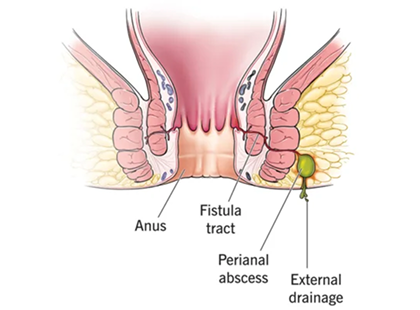
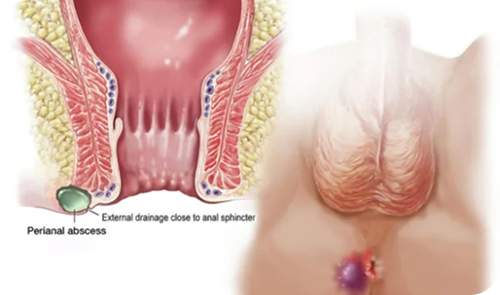
An anal fistula is a small infected tunnel that forms between the anal canal and the surrounding skin. In most cases, it begins with an abscess—an infected pocket of pus that fails to heal properly. When the abscess reopens from the inside and forms a track to the skin, a fistula develops. The condition often becomes chronic, painful, and disruptive if not treated early.
Anal fistulas are not just infections on the surface. They involve deeper tissues around the anal region, and the tract continues to produce discharge, causing pain, irritation, bad odor, and recurrent swelling. Without treatment, the fistula can expand, form multiple pathways, or lead to repeated abscesses that significantly affect daily life.
Common Causes of Anal Fistula
Although untreated abscesses account for most fistula cases, other medical conditions can also trigger fistula formation. These include:
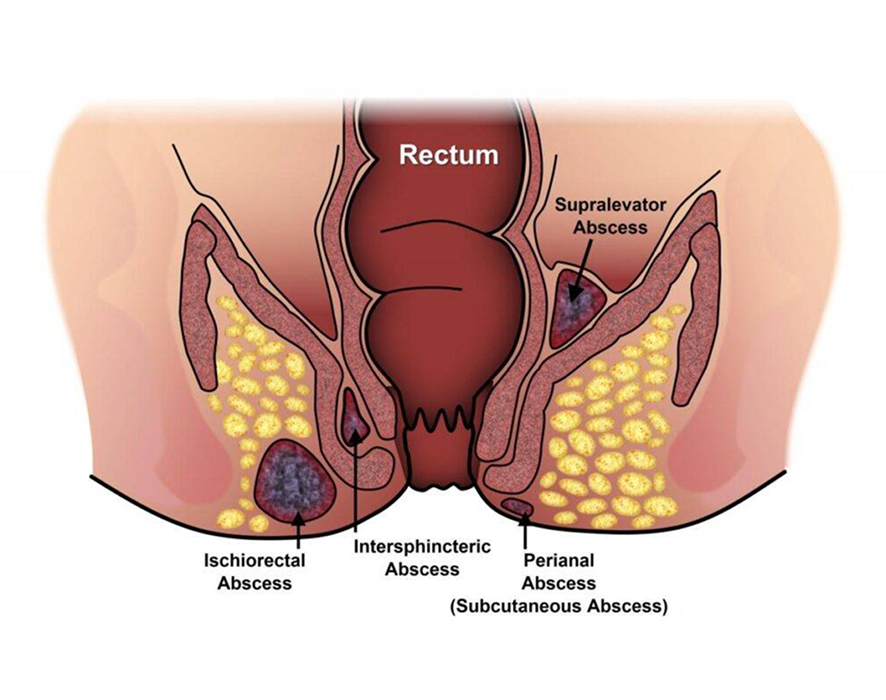
- Untreated Anal Abscess: The most common cause. When an abscess drains externally but does not heal internally, the infection creates a persistent tunnel.
- Crohn’s Disease: Chronic inflammatory bowel disease increases the likelihood of fistula development due to persistent inflammation.
- Infections: Conditions like tuberculosis, sexually transmitted infections, or chronic bacterial infections around the anal glands can lead to fistula formation.
- Trauma or Injury: An injury to the anal glands or surrounding tissues may cause an abnormal track to develop.
- Postsurgical Complications: Past surgeries or procedures near the anal canal sometimes result in fistulas due to tissue damage.
Identifying the cause helps us tailor the treatment and reduce the risk of recurrence.
Symptoms of Anal Fistula
Anal fistulas can range from mild irritation to severe pain that interrupts daily routines. Typical symptoms include:
- Persistent pain around the anus
- Swelling or lump near the anal hole.
- Release of pus or blood from a tiny hole near the anus
- Bad odour due to constant discharge
- Difficulty sitting or walking
- Repeated abscess formation
- Itching or skin irritation
- Fever (in cases of infection)
These symptoms often worsen if left untreated, making early diagnosis essential for preventing complications
Why Early Treatment for Anal Fistula Is Important
Many patients delay treatment because of embarrassment, fear of surgery, or temporary relief from home remedies. However, anal fistulas do not heal on their own. Delaying treatment can cause:
1. Chronic infections: Persistent bacteria within the fistula tract can spread, causing repeated abscesses and serious infections.
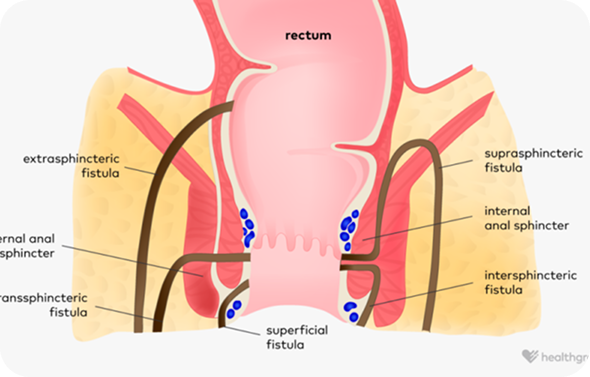
2. Formation of multiple fistula tracts: A simple fistula may become complex, requiring extensive surgical intervention.
3. Damage to anal muscles: Deep fistulas may affect the sphincter muscles, leading to incontinence if untreated for long periods.
4. Severe pain & reduced quality of life: Pain during sitting, walking, or using the restroom can interfere with daily living and mental well-being.
5. Higher recurrence risk: Early treatment, especially via laser, significantly reduces recurrence compared to traditional fistulotomy.
Treating a fistula early ensures faster healing, lesser discomfort, and lower chances of complications.
Why LaserQure Is One of the Most Trusted Centers for Anal Fistula Treatment
LaserQure has earned a reputation for offering reliable, comfortable, and advanced care for anal fistulas in Kukatpally and across Hyderabad. Our approach focuses on:
1. Expert Surgeon – Dr. Rambhupal Rao
A highly experienced specialist known for successfully managing complex fistulas with precision and care.
2. Advanced Laser Technology
Laser treatment provides:
- No stitches
- Minimal bleeding
- Quick healing
- Lower recurrence rates
- Shorter hospital stay
Laser therapy is particularly effective for simple, high, and complex tracts.
3. Accurate Diagnostics
We use:
- Digital rectal examination
- Anoscope
- MRI fistulography (for complex cases)
- Proctoscopy
These help us map the fistula tract precisely before treatment.
4. Personalized Treatment Plans
Every fistula is different. We design treatment plans based on:
- Type of fistula
- Location
- Severity
- Associated conditions (like Crohn’s disease)
- Recurrence history
5. Minimally Invasive & Daycare Procedure
Most patients go home within 2–3 hours after the laser procedure.
6. Affordable Treatment Options
We provide:
- Cashless insurance
- 0% EMI options
- Transparent pricing
7. Compassionate Patient Support
Our team guides patients through every step—from diagnosis to post-treatment care—ensuring comfort and confidence throughout.
Advantages of Choosing Laser Treatment for Anal Fistula
Laser fistula closure (FiLaC) is rapidly becoming the preferred treatment because of its safety, efficiency, and minimally invasive nature.
1. Painless & Stitchless Procedure
No external cuts, no stitches, and minimal discomfort.
2. Lower Recurrence Compared to Traditional Surgery
Laser seals the entire tract, leaving minimal chance for reopening.
3. No Damage to Anal Muscles
Protecting sphincter muscles prevents the risk of incontinence.
4. Fast Recovery & Same-Day Discharge
Most patients resume normal activities within 48–72 hours.
5. Minimal Bleeding & Infection Risk
Laser cauterizes the tract, ensuring better hygiene and faster healing.
LaserQure specializes in this treatment, ensuring consistently high success rates.
Step-by-Step Process of Anal Fistula Treatment at LaserQure
At LaserQure, our treatment approach is structured, evidence-based, and designed to provide the best outcomes with minimal discomfort. Anal fistula treatment requires careful evaluation, precise execution, and thorough follow-up. Here is a detailed breakdown of how the treatment journey unfolds:
Step 1: Comprehensive Consultation & Accurate Diagnosis
Your journey begins with a detailed consultation at LaserQure. Our specialist, Dr. Rambhupal Rao, conducts an in-depth assessment to understand your symptoms, medical history, and the duration of the condition. Anal fistulas vary significantly in size, complexity, and direction, so mapping the exact tract is crucial.
During the diagnostic process, the following evaluations may be performed:
1. Physical Examination
The doctor examines the external opening of the fistula, discharge, swelling, or tenderness in the anal region.
2. Digital Rectal Examination (DRE)
A gentle internal examination to detect internal openings, nodules, or signs of infection.
3. Anoscopy
A small instrument is used to visualize the anal canal and identify the internal opening of the fistula.
4. MRI Fistulography
For complex or branching fistulas, an MRI provides clear mapping of the fistula tract. It helps determine whether it is:
- High or low
- Simple or complex
- Horseshoe-shaped
- Recurrent
5. Blood Tests
To check for infection, inflammation, and any underlying conditions such as Crohn’s disease.
Accurate diagnosis ensures the right treatment plan, lowering recurrence risk and helping the patient achieve long-term relief.
Step 2: Preoperative Planning & Patient Preparation
After diagnosis, the next step is preparing you for surgery. This step ensures your body is ready for treatment and helps reduce postoperative complications.
Preoperative steps include:
1. Medical Evaluation
General health check-up, ECG (if needed), and routine blood tests to ensure fitness for aesthesia.
2. Diet Guidelines
You may be advised to:
- Avoid oily or heavy meals a day before the procedure
- Remain on a soft diet
- Fast for 6 hours prior to surgery (if required)
3. Bowel Preparation
Some patients may need simple laxatives to clear the bowel before the procedure to avoid strain afterward.
4. Counselling & Education
Our care team explains:
- The entire procedure
- Expected outcomes
- Recovery timeline
- Postoperative care instructions
Patients gain confidence when they know what to expect.
5. Insurance or EMI Assistance
LaserQure provides:
- Cashless treatment support
- 0% EMI plans
- Pre-authorization for insured patients
Step 3: Laser Fistula Closure Procedure (FiLaC)
LaserQure specializes in FiLaC — Fistula Laser Closure, a minimally invasive, stitchless technique known for its high success and minimal recurrence rates.
Here is how the laser procedure works:
1. Anesthesia
Local, spinal, or short sedation anesthesia is administered based on patient comfort and fistula type.
2. Inserting the Laser Fiber
A narrow laser probe is inserted into the fistula tract through the external opening.
3. Controlled Laser Delivery
Laser energy is applied along the fistula tract as the probe is slowly withdrawn.
The energy:
- Destroys infected tissue
- Shrinks and seals the tract
- Avoids cutting the skin or muscle
4. Closure of Internal Opening
The internal opening is treated precisely to prevent reinfection or recurrence.
5. Preservation of Anal Sphincter
Since no cutting is required, the sphincter muscles stay intact, reducing the risk of incontinence.
6. Quick Completion
The entire procedure typically takes 20–30 minutes and is performed as a day care surgery.
7. Minimal Bleeding
Laser cauterization ensures negligible blood loss and immediate sealing of tissues.
Patients can stroll for hours and return home the same day.
Step 4: Immediate Post-Operative Care & Discharge
After surgery, patients are shifted to a recovery area for monitoring. Since the procedure is minimally invasive, recovery is smooth.
Postoperative instructions include:
1. Pain Relief Management
Mild discomfort is normal, but painkillers prescribed by the doctor help manage it.
2. Hygiene Instructions
Patients must keep the anal area clean and use only recommended cleaning techniques.
3. Dietary Guidance
A soft diet with high fiber is recommended to ensure strain-free bowel movements.
4. Activity Guidelines
Avoid:
- Heavy lifting
- Running
- Bending for long hours
Gentle walking is encouraged after 24 hours.
5. Discharge
Patients can walk in hours and be home the same day.
Step 5: Follow-Up Care & Long-Term Healing Support
LaserQure believes in complete healing, not just performing the procedure. Hence, follow-up sessions are crucial.
Follow-up includes:
1. Wound Assessment
The doctor evaluates healing and ensures there is no infection.
2. Bowel Management Support
Patients receive advice to maintain smooth bowel movements without strain.
3. Lifestyle Counseling
Guidance on:
- Diet
- Hydration
- Weight control
- Avoiding triggers
4. Monitoring Recurrence
Laser treatment has very low recurrence, but monitoring ensures long-term success.
Post-Treatment Care & Lifestyle Guidelines
Laser surgery heals quickly, but good habits promote long-term recovery.
1. Diet & Nutrition After Surgery
Proper diet avoids constipation and supports tissue healing.
1. Eat high-fiber foods:
- Green leafy vegetables
- Whole grains
- Fruits (papaya, banana, apple)
- Sprouts
- Nuts and seeds
2. Drink 8–10 glasses of water daily
Hydration prevents hard stools.
3. Avoid foods that irritate:
- Spicy foods
- Processed foods
- Deep-fried items
- Excess caffeine
4. Prefer warm meals
Helps digestion and reduces discomfort.
2. Hygiene Practices for Healing
Cleanliness prevents infection and promotes comfort.
1. Take warm sitz baths
Sitting in warm water for 15 minutes, twice daily, reduces pain and swelling.
2. Use mild soap and warm water
Avoid strong soaps or scrubbing.
3. Pat dry gently
Do not rub the area.
4. Wear loose cotton clothing
Prevents friction and sweat accumulation.
3. Physical Activity Guidelines
Movement is important but must be controlled.
1. Recommended:
- Light walking
- Stretching
- Deep breathing exercises
2. Avoid:
- Weight lifting
- Long sitting hours
- Squatting repeatedly
- Intense workouts
Most patients resume normal work within a week.
4. Avoiding Constipation
Constipation is the biggest risk factor for delayed healing.
1. Use fiber supplements if needed
Your doctor may recommend psyllium husk.
2. Never strain during bowel movements
Use a footstool to elevate the legs for easier passage.
3. Take stool softeners for 3–5 days
Prevents hard stool formation.
5. Mental & Emotional Support
Living with an anal fistula can be stressful. At LaserQure, emotional well-being is part of the healing process.
1. Patients receive:
- Pre-surgery counseling
- Recovery reassurance
- Guidance on returning to routine
Confidence builds faster when there is clarity and support.
6. When to Contact the Hospital
Patients should contact LaserQure if they notice:
- Sudden increase in pain
- High fever
- Excess bleeding
- Difficulty passing stools
- Foul-smelling discharge
Early reporting helps prevent complications.
Why LaserQure’s Laser Fistula Procedure Is Preferred in Hyderabad
- Highly precise
- No external cuts
- Protects sphincter muscles
- Very low recurrence
- Same-day discharge
- Superior cosmetic outcome
- Fastest healing compared to traditional surgery
Laser therapy offers the most reliable, comfortable, and durable solution for anal fistulas today.
Why LaserQure Is Hyderabad’s Most Trusted Center for Anal Fistula Treatment
LaserQure combines medical precision, advanced technology, and compassionate care to provide the highest-quality treatment for patients with anal fistula. Here’s why thousands of patients trust us:
1. Expert Surgeon – Dr. Rambhupal Rao
A top specialist in anorectal problems with vast experience with minimally invasive laser procedures.
2. State-of-the-Art Laser Facility
Modern infrastructure, sterile operating suites, and advanced imaging ensure safe and accurate treatment.
3. Stitch less, Painless Procedure
Laser therapy avoids cuts, stitches, and long recovery periods.
4. Same-Day Discharge
Most patients return home within hours and resume daily activities quickly.
5. Low Recurrence Rates
Sealing the tract from the inside minimizes the chances of the fistula forming again.
6. Transparent Pricing & Easy Payment Options
Cashless insurance and EMI plans make treatment budget-friendly.
7. Dedicated Postoperative Support
We guide patients through recovery, hygiene, diet, and lifestyle modifications for long-term success.
Benefits of Laser Treatment for Anal Fistula at LaserQure
- No cuts
- No stitches
- Minimal bleeding
- Negligible infection risk
- Protects anal sphincter
- Very low recurrence
- Daycare procedure
- Quick recovery
- Minimal postoperative pain
- Better cosmetic outcome
LaserQure’s combination of expert diagnosis, precision laser treatment, and personalized care ensures the best possible outcome for every patient.
Who Should Consider Anal Fistula Treatment?
If you observe these symptoms, you should seek emergency medical attention.
- Persistent anal pain
- Discharge of pus or foul smell
- Swelling near the anus
- Repeated abscesses
- Difficulty sitting or passing stools
- Fever or fatigue
- Blood in stool
Early treatment prevents complications and ensures faster healing.
Lifestyle Guidance for Long-Term Prevention
After successful treatment, following these habits can support long-term anorectal health:
1. Maintain a high-fiber diet
Promotes smooth bowel movements and prevents constipation.
2. Drink adequate water
Hydration keeps stools soft and reduces strain.
3. Regular physical activity
Avoid a sedentary lifestyle to improve bowel function.
4. Good anal hygiene
Keeps infections away and prevents irritation.
5. Avoid straining
Use stool softeners or fiber supplements if needed.
6. Manage underlying conditions
Crohn’s disease or chronic infections must be monitored.
LaserQure helps patients with ongoing guidance to prevent future issues.
Frequently Asked Questions (FAQs) About Anal Fistula
You may experience constant pain near the anus, recurring infections, pus discharge, foul-smelling fluid, or a small opening near the anal area. Only a doctor can confirm the condition after examination.
Yes. Chronic constipation, straining during bowel movements, poor hygiene, and untreated infections can worsen the fistula or delay healing.
Laser treatment helps close the tract precisely and promotes faster healing. When done correctly, it offers long-term relief with very low recurrence rates.
People with simple or moderately complex fistula tracts, recurring infections, or those looking for a minimally invasive option are suitable candidates. A specialist’s evaluation is required.
Usually, no. Laser fistula treatment is a day-care procedure, and most patients go home within a few hours after surgery.
You may feel mild discomfort during the first few days, but pain is usually minimal compared to traditional surgical methods. Following post-care instructions helps ease the process.
Yes. If left untreated, the tract can become more complex, increasing the chance of recurrence and the need for a more extensive procedure later.
Absolutely. A fiber-rich diet, plenty of water, and regular bowel habits help reduce strain and support healing after treatment.
Most people return to work within 2–3 days after laser treatment, depending on their comfort level and job type.
Yes. Untreated fistulas can cause recurrent abscesses, chronic pain, persistent infection, and may gradually damage surrounding tissues.
Final Words: Your Healing Starts at LaserQure
Anal fistulas can be physically painful and emotionally exhausting, but with modern laser treatments and expert guidance, healing is faster and far more comfortable than ever before. At LaserQure, we combine medical excellence with compassionate care to ensure each patient receives a personalized, safe, and effective treatment experience.