



Best Laser Piles Treatment in Hyderabad
Working Time
- Mon-Thu 10:00 – 20:00
Friday 10:00 – 20:00
Saturday 10:00 – 19:00
Contact Info
-
Phone: +91 88862 41919
Ask the Experts
Best Laser Piles Treatment in Kukatpally, Hyderabad offers patients a safe, effective, and advanced solution for treating piles with minimal pain and downtime. Piles, also known as hemorrhoids, are a medical condition involving swollen blood vessels in and around the anal and rectal regions. This condition is widespread, with studies showing that over 50% of adults will experience piles at some point in their lives. Even though the condition is so common, most people avoid treatment because they are embarrassed or think that the condition will clear up by itself. The untreated piles can be very painful and lead to other serious health issues.
At Laserqure, with the professional expertise of Dr. Rambhupal Rao, patients get the latest laser piles treatment in Hyderabad to bring end-lasting relief with minimum discomfort and quick recovery.
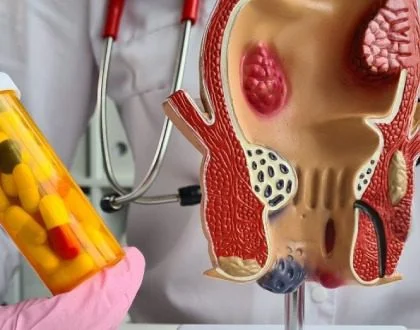
Piles Clinic in Kukatpally, Hyderabad
At our reliable Piles Clinic in Kukatpally, Hyderabad, Laserqure provides comprehensive treatment for patients with all grades of hemorrhoids. Piles generally occur when veins near the anus and rectum get swollen because of heightened pressure. Such pressure may be caused by long-term constipation, sitting for long periods, pregnancy, obesity, or even genetic factors.
Dr. Rambhupal Rao and his skilled team at Laserqure utilize the latest laser technology for speedy, accurate, and efficient treatment. In contrast to conventional surgery, laser treatment requires no cuts, stitches, or heavy bleeding, and allows minimal downtime. Patients are able to return to their usual activities with ease while feeling sustained relief and enhanced quality of life.
If you’re seeking a reliable and advanced Piles Clinic in Kukatpally, Hyderabad, Laserqure stands out as a center of excellence, combining medical expertise, cutting-edge technology, and compassionate patient care.
Types of Piles
Understanding the different types of piles is essential in determining the most appropriate treatment approach. Piles can be classified into different types based on their location, severity, and symptoms. The types of piles include: 1. Internal Piles Internal piles develop within the rectum and tend to be painless in the initial stages because the rectum does not contain pain receptors. But as the internal piles grow, they may bulge outside the anus (prolapsed hemorrhoids), leading to pain, discomfort, and bleeding. Internal piles can have subtle symptoms in the beginning, beginning with bright red blood on the toilet paper or in feces. In advanced stages, internal piles can prolapse, leading to considerable pain.
Grades of Internal Piles:
Grade I: Hemorrhoids do not prolapse and do not bleed.
Grade II: Hemorrhoids prolapse when passing stools but return automatically to their normal position inside the rectum.
Grade III: Hemorrhoids prolapse and must be manually introduced back into their position.
Grade IV: Hemorrhoids prolapse constantly and cannot be returned and cause painful pain and distress.
2. External Piles
External piles occur around the anus and are more painful than internal piles because there are numerous nerve endings around this area. These piles can create small, visible swellings around the anal opening and can be extremely painful, especially when sitting, passing stools, or exercising. Thrombosed external piles is a more serious type, in which the blood within the hemorrhoid becomes clotted, causing a hard, tender mass that might need immediate medical care.
Symptoms of External Piles:
• Pain near the anal opening
• Irritation or itching near the anal area
• Bleeding, most often following the passage of stool
• Swelling and inflammation
• A hard mass around the anus (in the event of thrombosis)
3. Prolapsed Hemorrhoids
Prolapsed hemorrhoids refer to the condition where the internal hemorrhoids protrude outside the anus because of continuous pressure, for example, during defecation. Prolapsed hemorrhoids can be manually reduced to their original positions but will lead to severe pain and discomfort. In extreme situations, they might bring about other complications like strangulated hemorrhoids (interrupting blood circulation) or thrombosis (formation of a clot).
Grade Classification of Prolapsed Hemorrhoids:
• Grade I: No prolapse, internal hemorrhoids that stay within the rectum.
• Grade II: Hemorrhoids that prolapse during bowel movement but can be retracted spontaneously.
• Grade III: Hemorrhoids that prolapse and must be pushed back manually.
• Grade IV: Hemorrhoids that stay out and cannot be pushed back, associated with severe pain and possible complications.
Common Symptoms of Piles
Early identification of piles can avoid worsening symptoms and complications. The common symptoms of piles are as follows:
1. Rectal Bleeding
One of the most frequent and obvious symptoms of piles is bleeding from the rectum. The blood is often bright red in color and comes away on the toilet paper or in the stool. This happens most often during or immediately after a bowel movement and can be a symptom of internal hemorrhoids.
2. Pain and Discomfort
Pain is most frequently linked with external piles or thrombosed hemorrhoids. The pain is typically sharp and severe, especially while sitting, walking, or having stools. Pain may also be triggered by prolonged standing or sitting. Thrombosed hemorrhoids (blood clots) are very painful and need to be treated immediately.
3. Itching and Irritation
Itching over the anal area is another common symptom of piles. It may be caused due to the mucus secretion from the piles, which can cause irritation of the skin. Itching can be followed by more discomfort and the risk of secondary infections if not properly handled.
4. Swelling and Lumps
Swelling of the anus is a major symptom of external piles, and tender lumps can be found close to the anal aperture. Lumps can be soft or hard based on whether a clot has occurred within the hemorrhoid. Thrombosed hemorrhoids cause hard lumps that are tender on palpation.
5. Mucus Discharge
A few patients with prolapsed hemorrhoids have a slimy, sticky discharge from the anus. Mucus discharge can cause irritation of the skin, a feeling of discomfort, and hygiene problems if it is combined with stool.
6. Feeling of Fullness in the Rectum
An urge to have not fully evacuated the bowel after defecation is another symptom of internal hemorrhoids. This fullness sensation is caused by the swelling of hemorrhoidal tissue within the rectum.
7. Thrombosed Hemorrhoids
Thrombosed piles are external piles that develop blood clots, leading to excruciating pain, swelling, and color change of the swelling (dark blue or purple). Thrombosed piles need immediate medical attention and can be operated on or treated with laser therapy.
What Is The Main Cause of Piles?
The primary reason for piles is elevated pressure on the veins in the anal and rectal regions. The pressure may be brought about by a variety of factors, such as:
1. Chronic Constipation
Pushing hard to pass hard faeces is the primary cause of elevated pressure on the rectal veins. Constipation and pushing during defecation exert pressure on the hemorrhoidal veins, leading to their swelling and inflammation.
2. Pregnancy
During pregnancy, the expanding uterus compresses the pelvic veins, which results in piles. Also, the hormonal changes that take place during pregnancy make the veins’ walls weaker, raising the likelihood of hemorrhoids.
3. Obesity
Overweight, particularly around the abdominal area, tends to put more pressure on the rectal veins. Obesity also leads to constipation, and constipation is one of the causative factors for piles.
4. Sedentary Lifestyle
Inadequate physical exercise and too much sitting can raise the pressure within the veins in the anus and rectum. Individuals who spend most of their time working or sitting around doing nothing are more likely to experience piles.
5. Heavy Lifting
Frequently lifting heavy objects can put added pressure on the abdominal area, contributing to the development of hemorrhoids. This is particularly common in individuals who perform physically demanding jobs or exercise excessively.
6. Genetics
Some people are genetically predisposed to developing piles. If a family member has suffered from piles, it increases your chances of developing the condition.
7. Straining During Bowel Movements
People who strain during defecation as a result of chronic constipation or hard stools tend to develop piles in the long run. Straining increases pressure on the rectal veins, causing swollen hemorrhoids.
Complications of Hemorrhoids
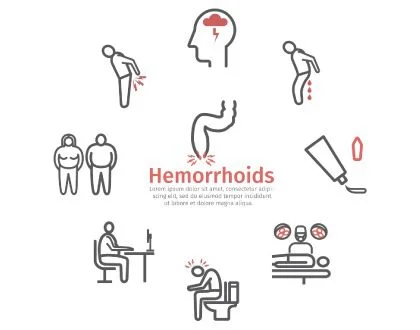
Left untreated, piles can cause various complications, which include:
1. Severe Bleeding
Chronic bleeding due to internal piles may lead to anemia, which may manifest as fatigue, weakness, and dizziness. If not prevented, the bleeding can have a serious effect on overall health.
2. Infection
Thrombosed or ruptured piles are susceptible to infection. If infected, the hemorrhoid would need urgent medical treatment to avoid further complications.
3. Strangulated Hemorrhoid
When the blood flow to a prolapsed hemorrhoid is severed, strangulation results, leading to extreme pain, inflammation, and possible death of tissue. It is a medical emergency that needs to be treated immediately.
4. Fecal Incontinence
If piles affect the muscles of the anal sphincter, it can lead to fecal incontinence—loss of control over bowel movements. This is more likely in the case of advanced piles and can significantly worsen the quality of life of an individual.
5. Anal Fistula
An infected hemorrhoid left untreated can develop an anal fistula, an abnormal tunnel that connects the skin and anal canal. This has to be surgically treated. By getting early treatment at Laserqure, you can prevent these complications and get permanent relief with laser piles treatment.
How Are Piles Diagnosed?
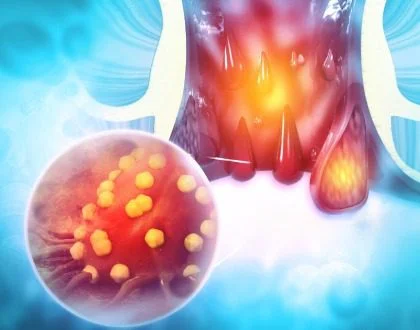
Proper diagnosis is necessary to find out the extent of piles and the best treatment. At Laserqure, we use the latest diagnostic equipment and techniques so that our patients get the best possible treatment. Below are the main diagnostic methods utilized:
1. Physical Examination
The initial diagnosis of piles is done by a proper physical examination. The physician will check the anal and rectal region for any apparent symptoms of hemorrhoids like swelling, lump, or skin tags. This initial check-up diagnoses external piles and their severity.
2. Digital Rectal Examination (DRE)
During a Digital Rectal Examination (DRE), a lubricated gloved finger is inserted into the rectum to palpate internal piles. It enables the physician to feel for any internal hemorrhoids, gauge their size and consistency, and determine if they are bleeding or responsible for other symptoms. Although DRE cannot feel all internal piles, it is a necessary first step in the process of diagnosis.
3.Anoscopy
Anoscopy is the insertion of a small, lighted tube known as an anoscope into the anus to study the rectum. This is a way of getting a better view of internal hemorrhoids so that the physician can evaluate the severity of the condition. Anoscopy is usually used where there is suspicion of internal piles, giving a better diagnosis.
4. Sigmoidoscopy
A sigmoidoscopy is a more extensive test that looks at the lower portion of the colon and rectum. It is used in the diagnosis of internal hemorrhoids, and also to exclude other conditions like colorectal cancer, which can present similar symptoms to piles. This test is usually advised for people who have a history of colon cancer or other gastrointestinal diseases in their family.
5. Colonoscopy
A colonoscopy will be prescribed for patients with a greater risk of colon cancer, including those with a family history or inexplicable gastrointestinal issues. A colonoscopy is not typically necessary for the diagnosis of piles, but it is a necessary diagnostic tool for someone with intricate symptoms or other medical issues.
With the use of these diagnostic tools in combination, Laserqure ensures that every patient gets an accurate diagnosis and tailor-made treatment plan.
Questions to Ask When Diagnosing Piles
When getting treated for piles, it is crucial to ask the appropriate questions in order to know about your condition and treatment. Following are some of the most significant questions to ask your physician during the diagnosis:
1. What Grade of Piles Do I Have?
Piles are graded on different levels depending upon their severity. Knowing the grade of your piles will guide you about the available treatment options.
2. What Are the Treatment Options for My Condition?
Inquire of your doctor about all of the treatment options, including conservative treatments, laser treatment, and surgery. By knowing the entire range of treatment options, you can make an informed choice.
3. What Are the Risks of Each Treatment?
It is crucial to know the risks and advantages of each treatment. For instance, laser treatment is less invasive and has less risk compared to conventional surgery, but it is nonetheless vital to be aware of what to anticipate.
4. How Long Will the Treatment Take?
Know how long the process will take and what the recovery will be like. Laser piles treatment is typically quicker than regular surgery and has a much faster recovery time.
5. What Lifestyle Changes Can Prevent Recurrence?
Piles are often likely to return if there is no change in lifestyle. Get professional advice from your doctor about diet modifications, exercise, and other lifestyle modifications that can prevent recurrence of piles.
At Laserqure, patient education is highly valued, and we make sure you learn about your condition and the most suitable available treatment options.
Home Remedies & Medication
In the case of mild or early piles, home remedies and drugs can provide relief. These are temporary and not cures for piles. Some home remedies are:
1. Dietary Changes
The intake of high-fiber foods is crucial to prevent constipation and decrease strain during defecation. Fiber makes stool soft and easy to pass. Fruits, vegetables, whole grains, and legumes are all good sources of fiber. Increased fluid intake throughout the day also maintains regular bowel movements and averts dehydration, which may exacerbate piles.
2. Hydration
Drinking plenty of water is imperative in softening stools and avoiding the development of hard, dry stools that can aggravate piles. Have at least 8 glasses of water per day to keep yourself hydrated.
3. Pain Relief
Over-the-counter analgesics like ibuprofen or acetaminophen may bring temporary relief from pain and inflammation of piles. But these are to be taken only as advised by a doctor because long-term use has side effects.
4. Topical Ointments and Creams
Over-the-counter ointments, suppositories, or creams may ease itching, burning, and irritation due to piles. They can temporarily calm the irritated area but do not heal the underlying condition.
5. Sitz Baths
Bathing the anal area in warm water for 10–15 minutes several times a day may ease itching, swelling, and discomfort. A sitz bath may decrease swelling and make bowel movements less uncomfortable.
Though these home remedies may bring relief to a certain extent, piles can be best treated with the most effective and permanent solution that is laser piles surgery. Laserqure provides the latest laser treatment that ensures minimal pain and rapid recovery.
Laser Piles Treatment in Hyderabad
Laser piles treatment is a groundbreaking, non-surgical method of shrinking or eliminating hemorrhoidal tissue with high-energy laser beams. In contrast to usual surgery, which involves incisions and stitches, laser piles treatment provides a number of advantages:
1.Minimally Invasive
Laser treatment is minimally invasive in that no cuts or stitches are necessary. The targeted laser beam narrows the enlarged veins without hurting other tissue.
2. Quick Recovery
One of the biggest benefits of laser piles treatment is the rapid recovery time. Any patient can usually go back to regular activities between 1-2 days since the procedure takes very little pain and there is minimal downtime.
3. No Scarring
As there are no cuts incised, there is no scarring involved in laser piles treatment. This makes the recovery process smoother and faster.
4. Painless Procedure
The laser treatment is painless. Local anesthesia is applied to numb the patient, which means that during the treatment, patients feel little or no pain.
5. Long-Lasting Results
Laser treatment directly targets the cause of piles and guarantees long-term relief. Compared to conventional techniques, which are prone to a higher recurrence rate, laser treatment considerably minimizes the rate of recurrence of piles.
Dr. Rambhupal Rao, who is one of the best piles doctors in Hyderabad, uses advanced laser technology to treat piles in a safe and efficient manner. His clinical skill ensures that each patient gets individual attention and care according to the specific needs of their condition, ensuring a smoother recovery and best results.
Difference Between Non-Laser and Laser Piles Treatments
It’s crucial to know the differences between laser piles treatment and non-laser treatments, particularly in determining the most appropriate method for your condition. Here’s a comparison:
1. Non-Laser Treatments
Non-laser treatments for piles are procedures such as rubber band ligation, sclerotherapy, and infrared coagulation. These procedures are good for mild to moderate cases but might have the following disadvantages:
• Invasive: Most non-laser treatments entail cutting or inserting instruments into the rectum.
• Longer Recovery: Longer recovery times are more common with non-laser treatments, which will necessitate time off work for the patient.
• Post-Procedure Pain: More pain is associated with these treatments compared to laser treatment, and patients might need more powerful pain relief.
2. Laser Piles Treatment
• Minimally Invasive: No incisions or stitches are required, and the procedure is less invasive.
• Quick Recovery: Return to normal activities can be done in 1-2 days, whereas weeks of recovery are necessary with conventional procedures.
• Permanent Results: Laser treatment creates permanent relief with less chance of recurrence since it treats the underlying cause of piles.
Laserqure is providing laser piles treatment as the safest, most effective, and most comfortable method of treating hemorrhoids.
How Long Does It Take to Recover from Piles Surgery?
Laser piles surgery is known for its quick recovery time, making it a popular choice for patients seeking a fast and effective solution. The recovery process depends on the severity of your piles and the type of treatment received, but most patients can expect:
1. Immediate Relief
Following piles treatment with laser, the majority of patients feel relief from pain and bleeding immediately. The laser destroys and minimizes the engorged veins, causing symptoms to decrease just after the procedure.
2. Minimal Downtime
Contrary to conventional surgery, which may take days or weeks of rest, laser piles surgery has little downtime. The majority of patients can go back to work and proceed with their daily routines within 1–2 days.
3. Post-Procedure Care
After the procedure, your physician will give you post-treatment instructions, which can involve topical cream application, taking over-the-counter pain medications, and dietary changes. Adhere to the instructions carefully to promote maximum healing.
4. Long-Term Recovery
Although you might feel much better within a few days, the complete healing process can last several weeks. Nevertheless, with laser piles treatment compared to conventional methods, recovery takes less time and complications are fewer in number.
Frequently Asked Questions (FAQs)
1. Is laser piles surgery painful?
Minimal pain, faster recovery assured.
2. Is laser piles surgery safe?
Yes, it’s highly safe.
3. Is bleeding common after surgery?
Minimal or no bleeding occurs.
4. Is laser surgery better option?
Yes, quicker and less painful.
5. Any precautions after laser surgery?
Follow diet, hygiene, avoid strain.
Why Choose Laserqure for Piles Treatment?
At Laserqure, we provide the Best Laser Piles Treatment in Kukatpally, Hyderabad with the following benefits:
1. Expert Care by Dr. Rambhupal Rao
Dr. Rambhupal Rao, a very experienced piles specialist, provides personalized and expert care for each patient depending on his/her individual condition.
2. Cashless Insurance
We have cashless insurance to simplify the process and make it stress-free for our patients.
3. 0% EMI Options
Our 0% EMI facilities offer financial freedom to make laser piles treatment accessible to all.
4. Pain-Free Procedure
Laser piles surgery is essentially painless, with minimal discomfort and rapid recovery.
5. Comprehensive Patient Care
From initial consultation to post-surgery care, we provide comprehensive support and guidance to ensure the best results.
Contact Us Today
If you have piles or think you may have the condition, don’t delay anymore! Laserqure provides the Best Laser Piles Treatment in Kukatpally, Hyderabad with fast recovery and long-term relief. Book your appointment with Dr. Rambhupal Rao today and take the first step towards a pain-free existence.